
Lieferung heute & morgen

Qualitätsgarantie

Willkommens-Angebote freischalten: KOSTENLOSE Lieferung | Bis zu 80 % RABATT | Kostenlose 30-Tage-JoyPlus-Testphase
App herunterladen
Choosing a backpack comes down to an analysis of material, volume, and functional layout. Whether for the daily commute, campus life, or as a compact travel backpack, the demands on a modern daypack are specific. This document analyses the key criteria to consider when selecting a model and presents a curated selection of products that stand out for their technical specifications.
The decision to buy a backpack should be based on objective parameters. The following technical aspects are crucial for functionality and longevity.
The choice of material affects weight, durability, and protection from the elements. Commonly used materials include polyester and nylon.
The quality of craftsmanship is also evident in the details. Reinforced seams at stress points like the shoulder straps and the use of brand-name zippers (e.g., from YKK) are indicators of greater longevity.
The capacity of a backpack is measured in litres (L) and defines its primary use case.
The external dimensions are relevant for checking compliance with airline carry-on regulations and ensuring the backpack isn't too bulky for daily use on public transport.
A well-thought-out internal layout is essential for quick access and the protection of electronic devices.
For daily use, carrying comfort is a crucial factor in minimising strain on the back and shoulders.
The following models have been selected for their specific technical features and practical benefits for different user profiles.
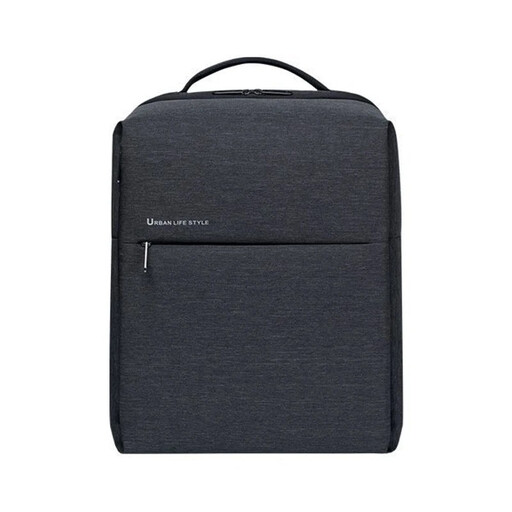
Why we recommend this product: The Xiaomi City Backpack 2 is tailored to the needs of commuters and students. Its square shape remains stable even when lightly loaded. The thoughtful compartment layout with eight separate sections and the dedicated, heavily padded laptop compartment for devices up to 15.6 inches allow for structured organisation.
Pros:
Best for: Individuals looking for a functional unisex backpack with superior organisational features for daily use at the office, university, or on business trips.
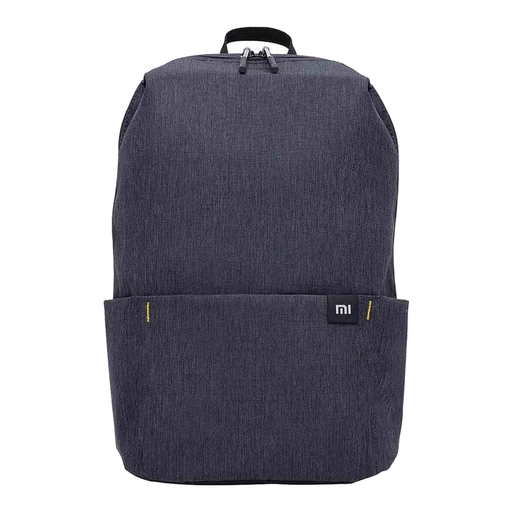
Why we recommend this product: This model stands out for its extremely low weight of just 165 grams and its minimalist design. With a 10-litre volume, it's a compact companion for carrying daily essentials. The main compartment can hold a tablet or a small laptop up to 14 inches.
Pros:
Best for: Users who need a very lightweight and discreet daypack for short trips, leisure activities, or as a secondary backpack while travelling.
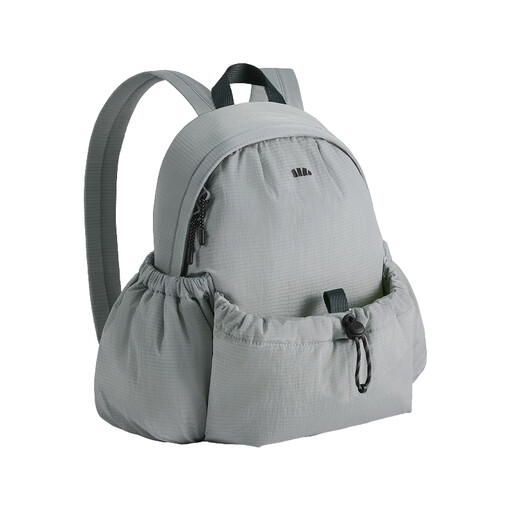
Why we recommend this product: The Beneunder LC183 offers a flexible solution for variable space requirements. Its key feature is the integrated expansion function, which increases the volume by 30% from 10 to 13 litres when needed. The high-strength yet soft nylon fabric makes it both lightweight and durable.
Pros:
Best for: Users with changing space needs, such as for shopping after work or carrying gym clothes. Ideal for commuters who value flexibility.
If the featured products don't perfectly match your requirements, a broader selection of models with different specifications may be helpful. You can find more backpacks for various purposes in our Outdoor Gear Backpack category.
1. What does "water-repellent" mean for a backpack? A water-repellent backpack is treated with a material or coating that causes water to bead up and roll off, keeping the contents dry for a period during light to moderate rain. This should not be confused with "waterproof," which means a product prevents water ingress even when fully submerged. A rating like IPX4 (protection against splashing water from all directions) provides a standardised indication of the level of protection.
2. What backpack size is ideal for university or work? For typical daily use at university or the office, a volume between 15 and 25 litres is usually sufficient. A laptop backpack of this size can accommodate a device up to 15.6 inches, several A4-sized binders or books, a water bottle, lunch, and personal accessories without being overly bulky.
3. How important is a padded laptop compartment? A dedicated and well-padded laptop compartment is crucial if you regularly transport a notebook. It protects the device from bumps, scratches, and pressure from other items in the backpack. 360-degree padding (bottom, sides, front, and back) offers the most comprehensive protection.