
Lieferung heute & morgen

Qualitätsgarantie

Willkommens-Angebote freischalten: KOSTENLOSE Lieferung | Bis zu 80 % RABATT | Kostenlose 30-Tage-JoyPlus-Testphase
App herunterladen
As a Joybuy Product Recommendation Officer, I see consumers navigate a flood of marketing promises every day. Especially with a common household appliance like a bagless vacuum cleaner, it's easy to fall into traps that lead to frustration and unnecessary expense. The idea of never having to buy vacuum bags again is appealing, but not every model delivers on its promise.
This guide is designed to help you separate the wheat from the chaff. We'll focus on the critical features and expose the most common pitfalls, enabling you to make an informed decision that fits your lifestyle.
Before we dive into the technical details, let's debunk two prevalent marketing myths that often lead to disappointment.
To avoid these traps, you should focus on two core aspects that fundamentally determine the performance and usability of a bagless vacuum cleaner.
The heart of any good vacuum cleaner is its filtration system. It prevents fine dust, pollen, and allergens from being blown back into the room's air.
Cyclone technology is crucial for how well a bagless vacuum maintains its suction power throughout the cleaning process.
Instead of making a one-size-fits-all recommendation, we have selected models tailored to specific needs and household types.
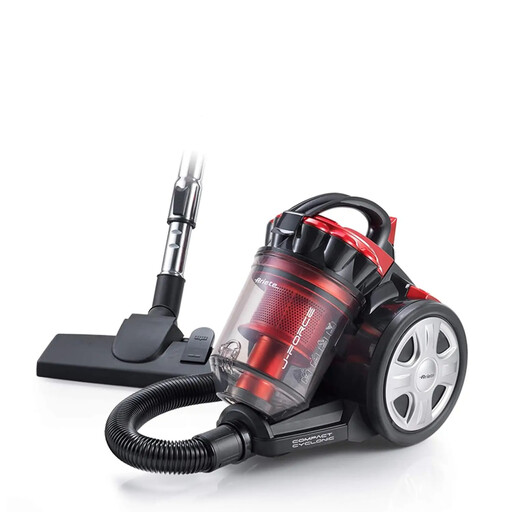
Why This Fits Their Persona: This model is a classic canister vacuum that focuses on the essentials: solid cleaning performance on hard floors and carpets. It's a sensible choice for anyone looking for a reliable and cost-effective solution without unnecessary frills.
The multi-cyclone technology ensures effective dust separation, preventing the typical loss of suction. The washable HEPA filter addresses the need for clean air without creating recurring costs for replacement filters.
Offers a combination of multi-cyclone technology and HEPA filtration at an accessible price point. The 3-litre dustbin requires less frequent emptying.
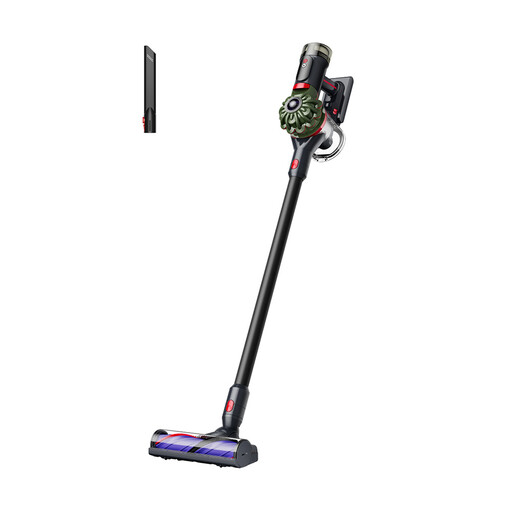
Why This Fits Their Persona: As a flexible cordless stick vacuum, this model is ideal for quick clean-ups and for areas where a cord is a nuisance. Its high performance and specialised accessories make it an excellent choice for tackling pet hair on upholstery and floors.
Dyson's cyclone technology, with 15 cyclones, is engineered to deliver consistently strong suction power. According to the manufacturer, the fully sealed filtration system captures 99.99% of particles as small as 0.3 microns, effectively addressing air quality concerns.
Combines the flexibility of a cordless device with proven cyclone technology. The Motorbar cleaner head is designed to capture hair and deep-seated dirt.
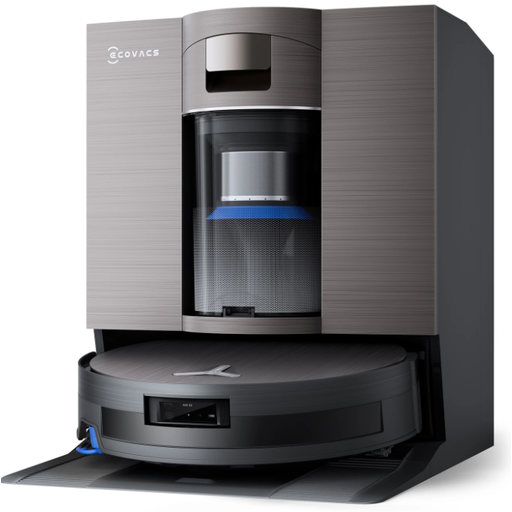
Why This Fits Their Persona: For tech-savvy users who want to minimise cleaning effort, this robot vacuum and mop is a comprehensive solution. It not only handles vacuuming but also mopping and subsequent maintenance largely autonomously.
This system elegantly solves the problem of unhygienic emptying: the bagless OMNI station automatically empties the robot's dustbin. Additionally, the mop is cleaned with 75°C hot water, which reduces maintenance to a minimum.
Delivers a high degree of automation with its self-cleaning and self-emptying station. The combination of powerful suction and hot-water mop cleaning ensures a thorough cleaning result.
We have compiled a complete, up-to-date list of products that fully meet these strict selection criteria and local safety regulations.
1. How often do you need to clean the filter on a bagless vacuum? The frequency depends on the model and your usage. For vacuums with simpler filtration systems, cleaning may be necessary after every two or three uses to maintain suction power. Models with advanced multi-cyclone technology keep filters cleaner for longer; a monthly cleaning is often sufficient. Always follow the manufacturer's instructions. Washable filters must be completely air-dried (for at least 24 hours) before being reinserted.
2. Does a cyclone vacuum lose suction power over time? A key advantage of cyclone technology is its ability to counteract suction loss. As long as the dustbin is emptied in a timely manner and the filters are maintained according to instructions, the suction power should remain largely consistent. A noticeable loss of power usually indicates a full bin, a clogged filter, or a blockage in the wand or nozzle.
3. Is a bagless vacuum cleaner suitable for allergy sufferers? Yes, provided it is equipped with a high-quality filtration system. A model with a certified and well-sealed HEPA filter is an excellent choice for allergy sufferers, as it reliably filters the smallest particles like pollen, mould spores, and dust mite droppings from the exhaust air. When emptying the dustbin, try to do so outdoors to avoid inhaling any airborne dust.