
Lieferung heute & morgen

Qualitätsgarantie

Willkommens-Angebote freischalten: KOSTENLOSE Lieferung | Bis zu 80 % RABATT | Kostenlose 30-Tage-JoyPlus-Testphase
App herunterladen
A good baking pan is the foundation for every perfect cake, crusty loaf of bread, and delicate tart. But the selection is vast, and not every pan lives up to its advertising. As a Joybuy Product Recommendation Officer, I see every day which features truly matter and which can be dismissed as marketing hype. This guide will help you separate the wheat from the chaff and make an informed decision.
Before we dive into the important features, let's look at two common problems that often lead to disappointment and unnecessary expense.
To avoid these pitfalls, you should check three core aspects before buying: the material, the shape, and the type of coating.
The material has a direct impact on the heat conduction and durability of your baking pan.
Every baking pan is designed for a specific purpose. Choosing the right shape is crucial for the success of the recipe.
A high-quality coating is the key to durability and ease of use. Ceramic-reinforced coatings or enamel bases are often more scratch-resistant and longer-lasting than basic PTFE coatings. Regardless of the type of coating, proper care is essential. Always follow the manufacturer's instructions—many non-stick pans should be washed by hand with a soft sponge to maximise their lifespan.
Here are some recommendations tailored to different needs and use cases.
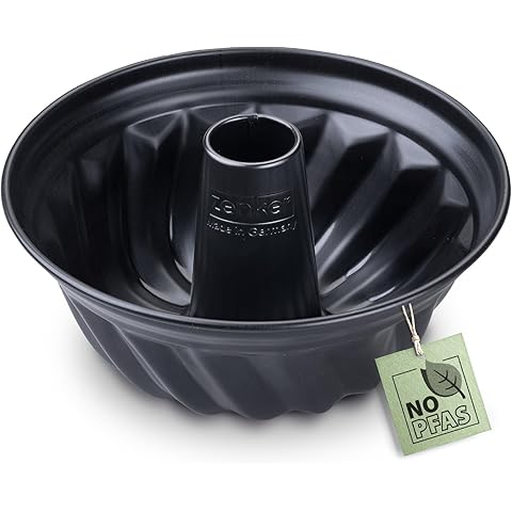
Why it's a great fit: For those who want to perfect classic cakes like the Bundt and value durability and outstanding baking results. A tool built to last for generations.
The ceramic-reinforced KAIRAMIC non-stick coating and the cut-resistant enamel base are extremely robust and durable. The thick steel material prevents warping in the oven.
Excellent heat conduction for perfectly even browning and superior structural integrity. According to the manufacturer, it comes with a 10-year warranty on the coating.
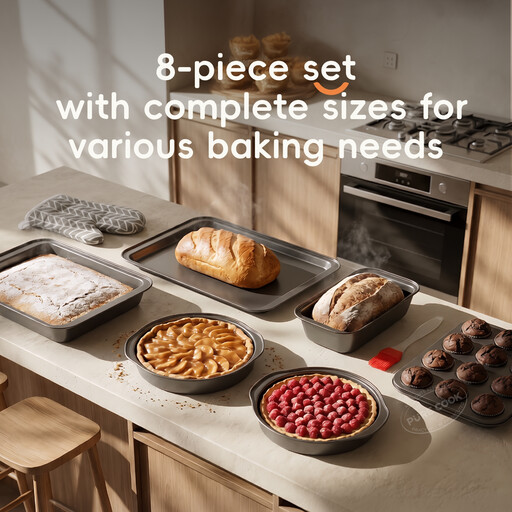
Why it's a great fit: Perfect for families or beginners who bake for various occasions and want a versatile starter kit without having to buy each pan individually.
This carbon steel bakeware set offers solid heat conductivity and stability, superior to flimsy sheet metal pans. The non-stick coating makes it easy for anyone to start baking.
A comprehensive set that covers everything from a loaf pan and round pans to a muffin tray. Excellent value for money for a wide range of baking projects.
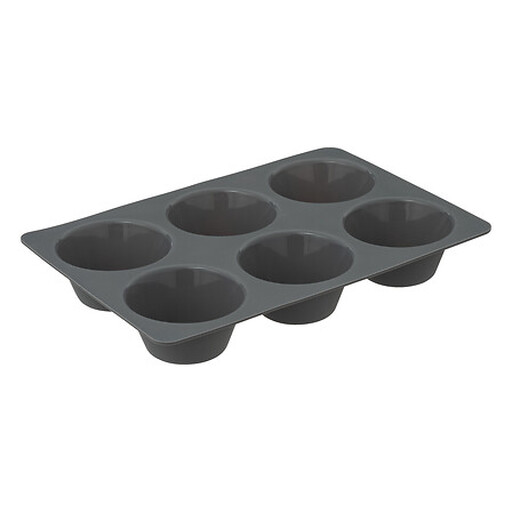
Why it's a great fit: Perfect for anyone who values quick preparation, effortless cleaning, and space-saving storage. Ideal for muffins, cupcakes, or even savoury bites.
The high-quality silicone is sturdy enough for muffin batter, avoiding the problem of flimsy, low-cost moulds. Its natural non-stick property is permanent and doesn't rely on a delicate coating.
Maximum flexibility for releasing baked goods, easy to clean in the dishwasher, and stores compactly. Versatile enough for both hot and cold foods.
We've compiled a complete, up-to-date list of products that fully meet these strict selection criteria and safety standards.
1. How do I properly clean a non-stick baking pan to protect the coating? The gentlest method is to wash it by hand with warm water, a mild washing-up liquid, and a soft sponge. Avoid steel wool, abrasive cleaners, and stiff brushes. Let the pan cool down completely before cleaning to prevent thermal shock.
2. Do I need to grease a silicone baking mould? In most cases, it's not necessary, as high-quality silicone has natural non-stick properties. However, for the very first use or with very low-fat recipes, lightly greasing the mould or dusting it with flour can make release even easier.
3. How can I identify a high-quality metal baking pan? Pay attention to the weight and material thickness. A heavier pan is generally more stable and conducts heat better. Check the finish: the coating should be smooth and evenly applied. For a springform pan, a precise and securely closing latch is a key quality indicator that prevents batter from leaking.