
Lieferung heute & morgen

Qualitätsgarantie

Willkommens-Angebote freischalten: KOSTENLOSE Lieferung | Bis zu 80 % RABATT | Kostenlose 30-Tage-JoyPlus-Testphase
App herunterladen
Whether you’re making cake, bread, a savoury bake or dessert, baking tins and ovenware are essentials in many British kitchens. There’s plenty to choose from, including classic cake tins, springform tins, glass baking dishes and small ceramic ramekins. But with so much choice, it’s easy to end up with the wrong thing.
A non-stick baking tin can make it easier to remove your bake. However, that doesn’t automatically mean it’s suitable for metal utensils, harsh cleaners or the dishwasher. For several coated metal tins in the range, hand-washing with a soft sponge is specifically recommended.
Before you buy, check:
“Oven-safe” only tells you that a dish or tin is suitable for use in the oven. For example, according to its product details, a coated carbon steel bread tin isn’t suitable for the microwave, hob, induction hob, open flame or charcoal barbecue. A glass baking dish, on the other hand, may also be suitable for the microwave and freezer, if this is explicitly stated.
So, check the specific details for:
A 26 cm cake tin is a common size in Germany, but it won’t work as a direct substitute in every recipe. Changing from a 20 cm to a 26 cm tin affects the depth of the mixture and therefore the baking time. For a casserole dish, you’ll also need to consider the internal dimensions, depth and capacity. Make sure the dish fits in your oven, with enough space between it and the heating elements and oven walls.
Metal and carbon steel conduct heat relatively directly and are common materials for cake tins, springform tins and bread tins. Coated versions can make it easier to remove your bake, but need to be cleaned gently to protect the surface.
Glass is handy if you want to bake, serve and store a dish in the same container. According to the product descriptions, the Secret de Gourmet glass baking dishes are suitable for the oven, microwave, freezer and dishwasher, and can be used at temperatures up to 300 °C. Glass is fragile, though, and shouldn’t be exposed to sudden temperature changes.
Ceramic is well suited to individual desserts, soufflés, crème brûlée and small savoury dishes. According to the supplier, the DAFUCERAMIC ramekins are made from lead-free, food-safe ceramic. They’re described as oven-safe, dishwasher-safe and suitable for the freezer. Even so, you should avoid exposing them to extreme temperature changes.
For a coated tin, check the cleaning instructions as well as the temperature guidance. Some products are oven-safe but not dishwasher-safe. A soft brush or sponge will protect the surface better than abrasive cleaners or scourers.
Uncoated tins may need to be lined with baking paper, greased or dusted with flour or breadcrumbs. This is particularly important for bread tins and Bundt tins with lots of ridges.
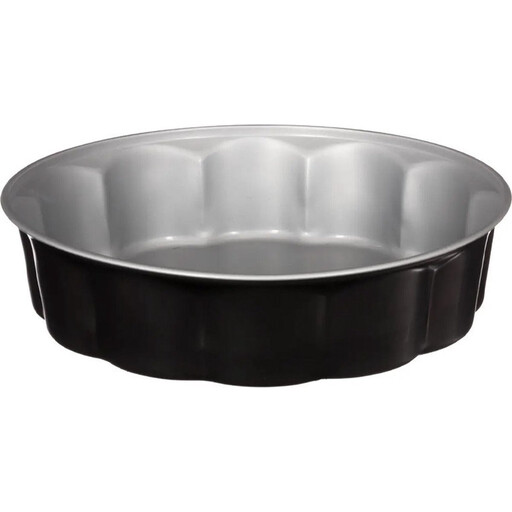
Why this product suits you: This round cake tin, with a diameter of 26 cm, is designed for everyday home baking and requires no special assembly.
The care instructions are clear: it isn’t dishwasher-safe, and hand-washing is recommended. This makes it easier to plan realistically for cleaning before you buy.
26 cm diameter, metal body and stated non-stick coating; the product details give the weight as approximately 300 g.
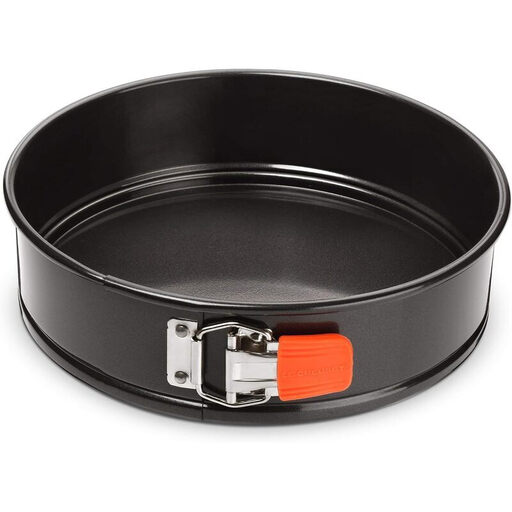
Why this product suits you: This smaller springform tin is ideal for households that often bake smaller cakes, gateaux or cheesecakes and value clear product specifications.
The product details specify a maximum oven temperature of 240 °C and recommend hand-washing. The tin isn’t suitable for the dishwasher or direct heat.
20 cm diameter, carbon steel body, side clasp and removable base; the product description also states that it comes with a lifetime guarantee.
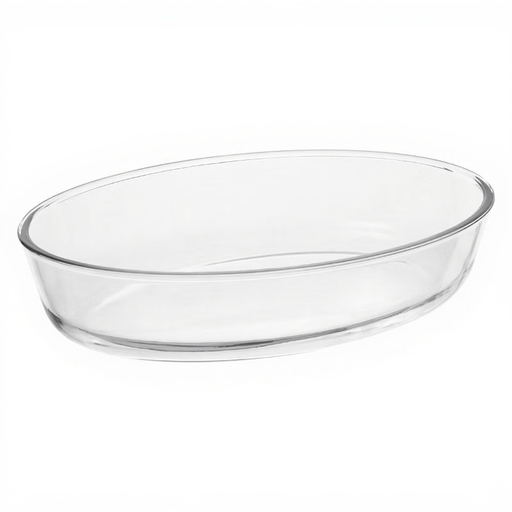
Why this product suits you: This glass baking dish lets you bake, serve and store food in the same container, making it a practical choice for family meals and batch cooking.
The product details specifically state that the dish is suitable for the oven, microwave, freezer and dishwasher. The lid, however, is only rated up to 120 °C and shouldn’t go in a hot oven.
Borosilicate glass, 3.8 l capacity, and a dish described as dishwasher-, microwave-, oven- and freezer-safe.
We’ve put together a complete, regularly updated list of products that meet these strict selection criteria and the safety regulations in force in the EU.
A round 26 cm cake tin is suitable for many classic cakes. For cheesecakes, gateaux and delicate bases, a springform tin with a removable side is a good choice. Make sure the diameter and depth match the recipe.
Check the maximum temperature and avoid sudden temperature changes. For example, don’t put a glass dish straight from the freezer into a very hot oven unless the manufacturer specifically says it’s safe to do so. Plastic lids generally shouldn’t go in the oven.
There’s no reliable way to give a set lifespan. It depends on the temperature, cleaning, storage and how you treat the coating. Use soft cleaning utensils, avoid sharp tools and follow the care instructions for your tin. If you notice scratches or damage to the coating, stop using the tin.