
Lieferung heute & morgen

Qualitätsgarantie

Willkommens-Angebote freischalten: KOSTENLOSE Lieferung | Bis zu 80 % RABATT | Kostenlose 30-Tage-JoyPlus-Testphase
App herunterladen
As a Joybuy Product Recommendation Officer, I see countless products every day. My job is to help you make informed decisions based on facts, not marketing hype. A good baking tin is the foundation of any successful bake, yet the market is flooded with products that overpromise and underdeliver. Before you invest, you should know the typical pitfalls.
Many home bakers experience the same disappointment: the new cake pan warps after the third use, the "non-stick" coating flakes off, or the cheesecake leaks out of the springform pan. These problems can often be traced back to three fundamental flaws that manufacturers rarely disclose:
To avoid these pitfalls, it's crucial to understand the core parameters of a baking tin. Focus on these three aspects to make a durable and functional choice.
The material is a key determinant of your pan's baking properties and longevity.
The coating is the contact surface for your baked goods and is critical for the result and for cleaning.
A good baking tin is distinguished by thoughtful design details.
Here are some recommendations tailored to different needs that meet the quality criteria mentioned above.
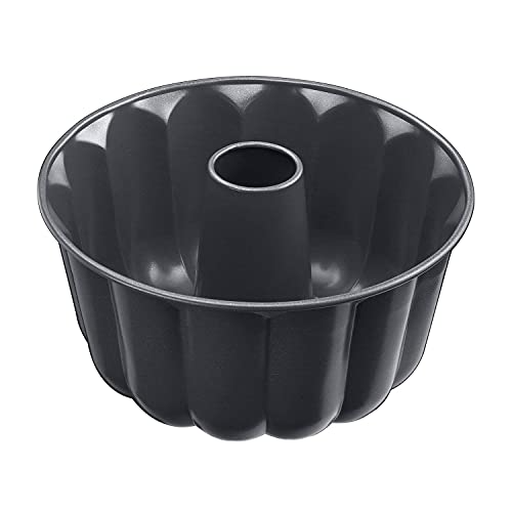
Why This Fits Their Persona: Ideal for bakers who value durability and perfect results for classic cakes. This pan is an investment in years of trouble-free baking.
The ceramic-reinforced KAIRAMIC non-stick coating and the cut-resistant enamel base resist scratches and acid, which prevents the flaking seen on inferior coatings.
Excellent heat conduction from steel for even browning; extremely stable and heat-resistant up to 250°C. The manufacturer offers a 10-year warranty on the coating.

Why This Fits Their Persona: Perfect for anyone who bakes their own bread, especially with sourdough. This pan is specifically designed for the high demands of bread and sourdough doughs.
Its explicit "sourdough-resistant" rating, thanks to the enamelled base, prevents the corrosion and material damage that can occur in standard metal pans from the dough's acidity.
Robust construction for heavy doughs (up to 1 kg); cut-resistant base allows for slicing directly in the pan; very good heat retention for a crispy crust.
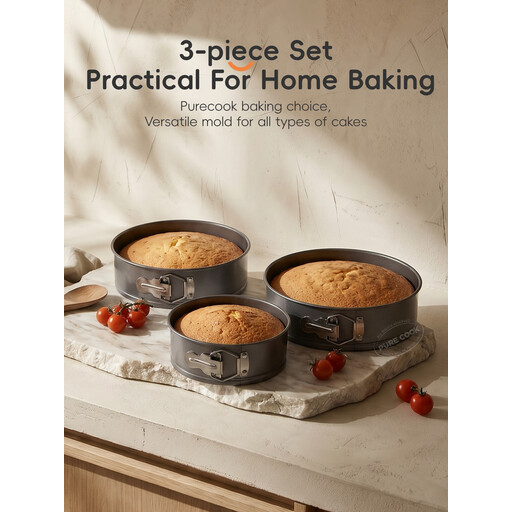
Why This Fits Their Persona: A practical **bakeware set** for families or bakers who enjoy making different sizes and types of cakes, from cheesecakes to sponge layers.
The adjustable metal latch ensures a tight fit and prevents batter from leaking—a common weakness in budget-friendly springform pans.
Three different sizes (18, 20, 24 cm) offer flexibility for various recipes. The carbon steel construction ensures even heat distribution.
We have compiled a complete, up-to-date list of products that fully meet these strict selection criteria and German regulations.
After it has cooled, clean the pan by hand with warm water, a mild dish soap, and a soft sponge or cloth. Absolutely avoid steel wool, abrasive cleaners, or the rough side of scouring pads. Even if some pans are declared dishwasher-safe, hand washing can significantly extend the life of the coating.
Technically yes, but it is not recommended. Due to its flexibility, a silicone mould filled with batter can be unstable and easily tip over when handled. Always place the silicone mould on a sturdy baking sheet before filling it. This not only makes it easier to transport in and out of the oven but also provides a more stable baking environment.
Look for a wide, overlapping rim on the base of the pan (often called a "leak-proof channel"). The tension lever should close firmly and securely without wobbling. High-quality models often have a precision-engineered locking mechanism made of robust metal, which applies even pressure around the entire ring, ensuring a tight seal.