
Lieferung heute & morgen

Qualitätsgarantie

Willkommens-Angebote freischalten: KOSTENLOSE Lieferung | Bis zu 80 % RABATT | Kostenlose 30-Tage-JoyPlus-Testphase
App herunterladen
Choosing a child's first vehicle is an important decision. A good balance bike can foster motor skill development and train their sense of balance, which makes the eventual transition to a pedal bike significantly easier. However, the market offers an overwhelming variety, from simple ride-on toys to complex, grow-with-me models. Many products promise more than they deliver, leading to disappointment and unnecessary expense. This guide will help you navigate the common pitfalls and make an informed decision.
Author: Joybuy Product Recommendation OfficerLast updated: 28 July 2026
Before we dive into the key features, let's look at three common problems that often lead to a bad purchase:
To find the right model, you should focus on objective, technical parameters rather than marketing promises.
The correct size is the most critical factor for safety and enjoyment. When seated, the child should be able to place both feet flat and securely on the ground with their legs slightly bent.
The frame material and type of tyres determine the weight, durability, and riding comfort.
Functional safety features are crucial to minimise the risk of injury and build the child's confidence.
Instead of making a one-size-fits-all recommendation, we have selected models tailored to specific needs and age groups.
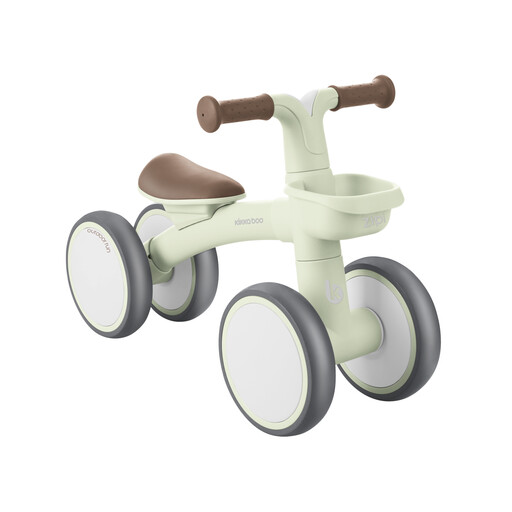
Why this model is a great fit: This model is designed as a first ride-on toy. With its very light aluminium frame (2 kg), low seat position, and steering angle limiter, it offers maximum safety for toddlers who are just beginning to explore their mobility.
It avoids the trap of unsuitable materials for indoor use. The quiet and puncture-proof EVA wheels are ideal for use in the home without causing noise or scratches.
Steering angle limiter for high stability; very low weight for easy handling by the child.
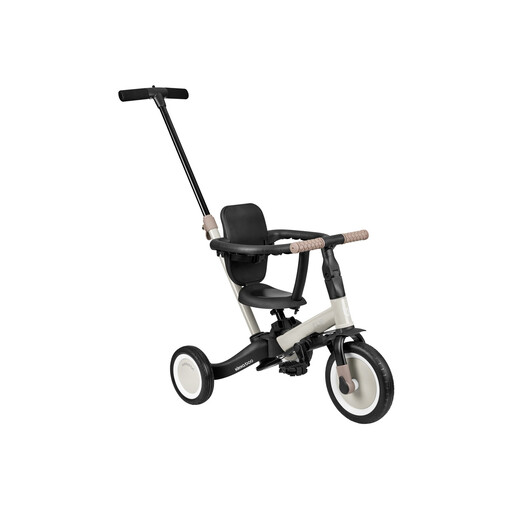
Why this model is a great fit: For families looking for a long-term solution. This 5-in-1 model accompanies the child from a tricycle with a push handle (from approx. 1 year) to a classic tricycle, a balance bike, and a small pedal bike. It covers the entire development up to the age of 5.
It is a true grow-with-me vehicle that is not only adjustable in size but also fundamentally adapts to the child's motor skills through conversion.
Five different usage modes in one product; robust carbon steel construction for a long service life.
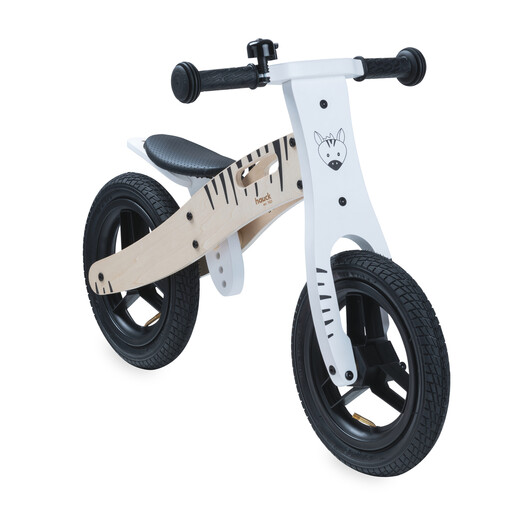
Why this model is a great fit: This wooden balance bike combines an attractive design with sustainable materials. It is ideal for parents who value ecology and a natural aesthetic without sacrificing functional features.
It refutes the prejudice that wooden bikes are impractical. Thanks to the 12-inch air-filled tyres, it offers great riding comfort even on uneven paths, and the 4-way adjustable seat ensures a long service life.
Frame made from FSC-certified wood for sustainability; air-filled tyres for good cushioning and outdoor riding comfort.
We have compiled a complete, up-to-date list of products that fully meet these strict selection criteria and UK safety regulations.
The ideal seat height is achieved when the child is sitting on the saddle and can place both feet completely flat on the ground. Their knees should be slightly bent. This gives the child the necessary security and control to push off powerfully and stop at any time. Check the adjustment regularly, as children grow quickly.
Some models, often called a ride-on toy or balance bike from 1 year, are suitable for children from around 12 to 18 months. These usually have four wheels or a very low construction for maximum stability. Classic two-wheeled balance bikes are generally recommended from the age of two to two-and-a-half, depending on the child's individual development and height.
For the youngest riders (under 3 years), a handbrake is often too complex to operate. They tend to brake intuitively with their feet. A brake only becomes relevant for older, more experienced children from around three to four years old, when they reach higher speeds and can practice braking with their hands in preparation for a pedal bike. In the beginning, the absence of a brake is not a disadvantage.