
Lieferung heute & morgen

Qualitätsgarantie

Willkommens-Angebote freischalten: KOSTENLOSE Lieferung | Bis zu 80 % RABATT | Kostenlose 30-Tage-JoyPlus-Testphase
App herunterladen
A balcony power station is an effective first step toward lowering your electricity bills and contributing to the energy transition. However, the solar power you generate is often produced when no one is home to use it—during the day. At night or on cloudy days, you end up drawing expensive electricity from the grid again. A balcony power station with storage solves this problem by storing surplus energy for later use.
This article serves as a guide. We'll introduce various concepts and models to help you make an informed decision about which solar storage for your balcony power station is the right addition for you.
Choosing the right storage system depends on several factors. The following points will help you understand the technical specifications and find a solution that fits your needs.
A storage unit's capacity is measured in kilowatt-hours (kWh) and describes how much energy it can hold. A common recommendation is to match the capacity to your nightly electricity consumption.
Not every storage unit is compatible with every balcony power station. Easy installation is a key advantage of plug-and-play solutions.
The battery technology used has a direct impact on the safety and lifespan of the storage unit.
Based on the criteria above, we have compiled a selection of products that cater to different needs.
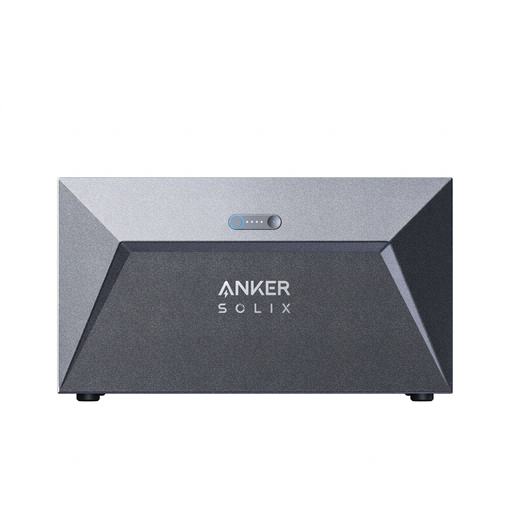
Why it stands out: The Anker Solix storage system is notable for its high compatibility and simple plug-and-play installation. According to the manufacturer, it is compatible with 99% of all common balcony power stations and ready for use in just five minutes.
Pros:
Who is it for? For users who already own a balcony power station and are looking for a straightforward, quick-to-install retrofit solution to start storing solar power immediately.
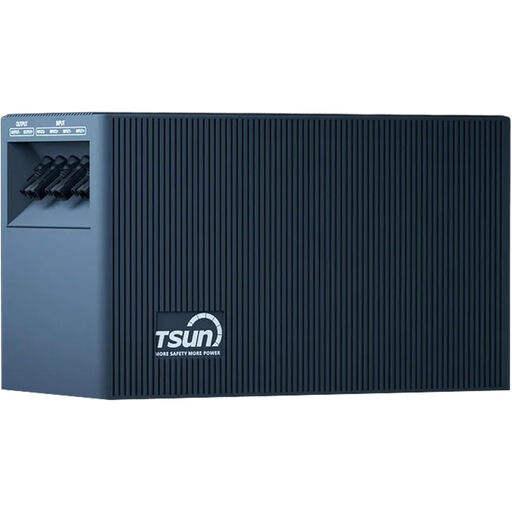
Why it stands out: This DC-coupled storage system offers great flexibility through its modular expandability and advanced energy management features.
Pros:
Who is it for? For users looking for a future-proof solution, who want to expand their system gradually, and who value optimised control options. Ideal for more complex setups with multiple solar panels facing different directions.
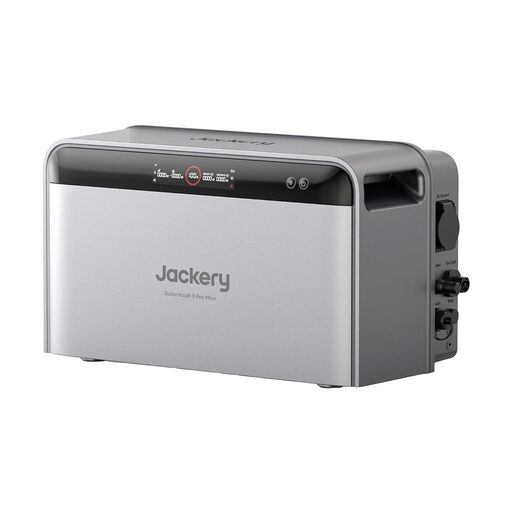
Why it stands out: The Jackery SolarVault 3 Pro is a high-performance system distinguished by its high PV input power, 4 MPPT trackers, and AI-powered energy management.
Pros:
Who is it for? For tech-savvy users with high energy demands who are aiming for comprehensive and intelligent energy management for their entire home and want to operate a large number of solar panels.
A storage system maximises the efficiency of your balcony power station. But solar energy offers many other applications around your home and garden. If you're also thinking about powering your outdoor areas with sustainable energy, a lighting solution could be the next step.
Discover our selection of solar post lights for outdoor use and harness the power of the sun to design your garden or driveway.
Yes, retrofitting is possible with most balcony power stations without any issues. So-called plug-and-play storage units are simply connected between the solar panels and the inverter. It's important to pay attention to the compatibility of the connectors (usually MC4) and the maximum input voltage of the storage unit.
For an 800W balcony power station with storage, a capacity between 1 and 2 kWh is typically a good starting point. This covers the nightly base load of an average household (refrigerator, router, standby devices). If you use larger appliances like a television in the evening, you might consider a capacity of 2 kWh or more. Modular systems offer the advantage here that the capacity can be increased if needed.
The main difference lies in where the storage is integrated into the system.