
Lieferung heute & morgen

Qualitätsgarantie

Willkommens-Angebote freischalten: KOSTENLOSE Lieferung | Bis zu 80 % RABATT | Kostenlose 30-Tage-JoyPlus-Testphase
App herunterladen
A balcony or terrace extends your living space into the great outdoors. However, enjoying an undisturbed moment can be a rare luxury, whether due to prying eyes, bothersome wind, or intense sunlight. The right privacy screen for your balcony can solve these issues, transforming your outdoor area into a private, relaxing oasis.
This article serves as a practical guide. It explains what to look for when making your selection and presents various models to help you choose the perfect balcony screening.
Choosing the right privacy screen depends on several factors. The following three points will help you make an informed decision.
The material is a key factor in your screen's weather resistance, appearance, and maintenance requirements.
Simple and secure installation is a crucial criterion for many users. Most balcony screening products are designed for DIY installation.
Before purchasing, check the design of your balcony railing to ensure that your chosen fastening method is compatible and secure.
The level of privacy you desire will determine the necessary opacity. This is often influenced by the material's weight (specified in g/m?) and weave. A higher weight generally indicates a denser fabric and thus higher opacity.
In terms of colour, an anthracite privacy screen is particularly popular. This dark shade looks modern, is resistant to dirt, and blends harmoniously with most architectural styles. Lighter colours like beige or grey can make a space feel more open but are more susceptible to visible stains.
Here is a selection of products that meet different needs, whether for a balcony windbreak or a fence screen for the garden.

Why It Stands Out This privacy screen from Woltu combines a robust material with thoughtful details for easy installation. According to the manufacturer, the HDPE fabric with a density of 180 g/m? provides over 85% shade, offering a good balance between privacy and wind permeability (approx. 10%).
Pros
Who It's For Ideal for renters and homeowners looking for a durable and straightforward balcony screening for standard railings, who value a good balance of privacy and wind protection.
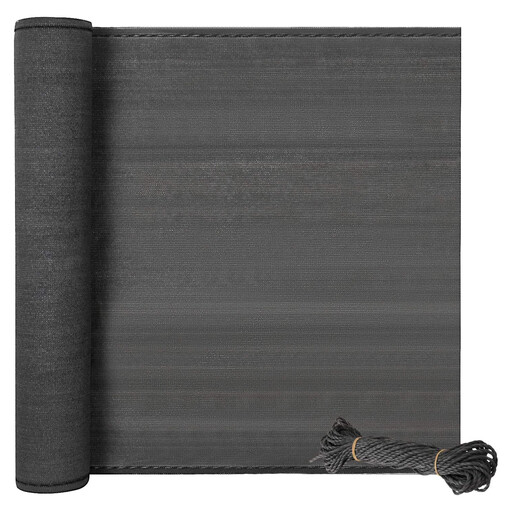
Why It Stands Out At 15 metres long, this fence screen from EUGAD is perfect for covering large areas. The 150 g/m? HDPE material is designed for year-round use and offers, according to the manufacturer, at least three years of UV resistance. It is secured using a reinforced grommet strip and an included 34-metre cord.
Pros
Who It's For A great solution for homeowners or businesses needing a continuous and robust privacy solution for fences, sports fields, or other large areas.
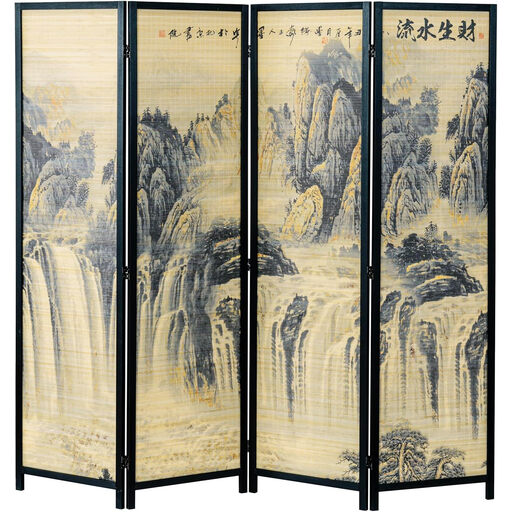
Why It Stands Out This room divider from MyGift offers a flexible and decorative alternative to permanently installed screens. It consists of four panels with a pine wood frame and a bamboo filling. The Asian-inspired design makes it a standalone decorative element. As it is freestanding, no installation is required.
Pros
Who It's For Perfect for users seeking a non-permanent, mobile, and aesthetically pleasing privacy solution. It is especially suitable for covered balconies and terraces or as a flexible partition in a living area.
The products featured cover common use cases, but every outdoor space is unique. If you are looking for different sizes, materials, or designs, you may find the right solution in our broader product range.
? Explore our full range of Outdoor Privacy Screens and Panels here
1. How do you attach a privacy screen to a balcony? The most common method is to use cable ties or a sturdy cord, threaded through the grommets on the screen and around the balcony railing. Be sure to pull the balcony screen taut to minimise flapping in the wind. Ensure your railing is strong enough to withstand the additional wind load.
2. Do I need a permit for a balcony privacy screen? In most cases, standard, non-permanent privacy mats or screens do not require a permit. However, it is wise to check your rental agreement or your homeowners' association (HOA) bylaws. These documents may contain specific rules regarding balcony design to maintain a uniform appearance for the building.
3. Which material is the most weatherproof for a balcony privacy screen? Materials like HDPE and PVC are considered extremely weatherproof. They are resistant to moisture, UV radiation, and temperature fluctuations. HDPE has the advantage of being air- and water-permeable, which reduces stress from wind and rain. Natural materials like wood or bamboo can also be durable but require regular protective treatment.