
Lieferung heute & morgen

Qualitätsgarantie

Willkommens-Angebote freischalten: KOSTENLOSE Lieferung | Bis zu 80 % RABATT | Kostenlose 30-Tage-JoyPlus-Testphase
App herunterladen
Choosing the right Basmati rice can be a challenge given the sheer variety on the market. Whether for an authentic Biryani, as a fragrant side dish, or for health-conscious cooking, the characteristics of different types vary significantly. This guide will help you better understand the features of Basmati rice and make an informed purchasing decision. We will introduce a selection of products that stand out for their specific qualities.
To find the perfect rice for your needs, some basic knowledge of varieties and processing methods is helpful.
The length of the rice grain is a crucial characteristic of Basmati. Extra-long Basmati rice is distinguished by its particularly long, slender grains that elongate even further after cooking, remaining light and fluffy. A longer ageing period for the raw rice, often up to two years, also intensifies its characteristic nutty aroma. For dishes like Pulao or as a premium side dish, an aged, long-grain rice is often the preferred choice.
The processing method has a major impact on the cooking properties.
For consumers who value sustainable agriculture, Organic Basmati rice is a relevant option. Products with a recognised organic seal, such as the EU organic logo, come from certified organic farming. This generally means no synthetic pesticides or chemical fertilisers are used.
Based on these criteria, we have compiled a selection of products that cater to different needs.
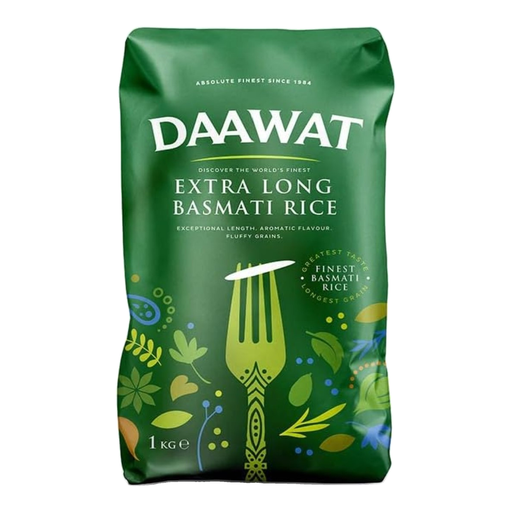
Why it stands out: This rice is renowned for its exceptionally long grains. According to the manufacturer, the grains can reach a length of up to 24 mm after cooking, which is three times their original size. It is cultivated in the foothills of the Himalayas according to the standards of the Global Sustainable Rice Platform (SRP).
Benefits:
Who is it for? Ideal for home cooks and gourmands who prioritise superior grain quality and want to prepare sophisticated dishes like Biryani, Pulao, or fine Mediterranean meals.
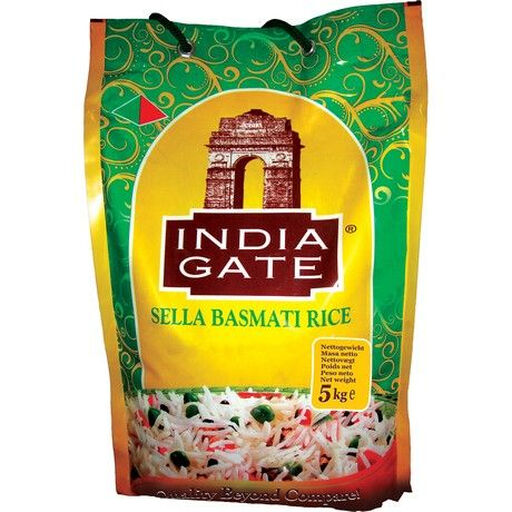
Why it stands out: This product combines two practical features: it is Sella Basmati rice and comes in a 5kg Basmati rice value pack. The parboiling process ensures particularly robust and firm grains.
Benefits:
Who is it for? An excellent choice for anyone who regularly cooks large quantities of rice, especially for dishes where the grain's structure must be maintained. The 5kg pack also offers excellent value for money.
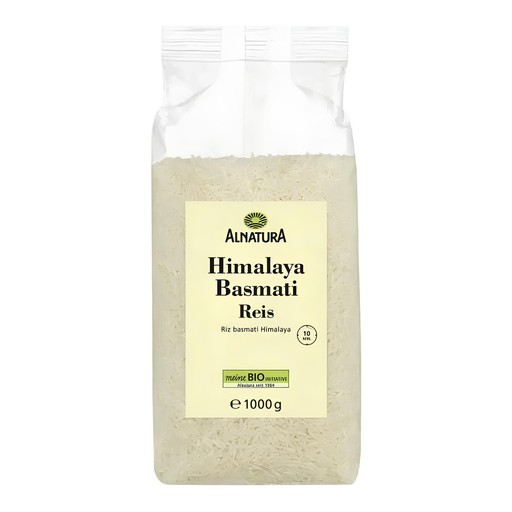
Why it stands out: The Alnatura Basmati Rice is an Organic Basmati rice and carries both the German and EU organic seals. It originates from cultivation projects at the foot of the Himalayas and is characterised by its pearly white, long-grain properties.
Benefits:
Who is it for? This rice is aimed at health-conscious consumers and anyone who values an organic origin and corresponding certifications in their food.
Our selection covers some of the most common requirements. However, if you wish to explore other varieties or different pack sizes, you will find a greater diversity in our broader category.
Discover Our Full Range of Indian Rice
Although both are considered aromatic rice, there are clear distinctions. Basmati rice primarily comes from the Indian subcontinent, has very long, slender grains, and a nutty aroma. After cooking, the grains are dry and fluffy. Jasmine rice, mainly from Thailand, has slightly shorter, plumper grains and a floral aroma. It tends to be slightly sticky after cooking.
Yes, it is recommended to wash Basmati rice thoroughly under cold water before cooking. This step removes excess starch from the grain's surface. The result is a light, fluffy rice where the individual grains do not stick together. An optional 30-minute soak can shorten the cooking time and lead to even longer grains.