
Lieferung heute & morgen

Qualitätsgarantie
App herunterladen
Kategorien
A fully automatic coffee machine, often called a bean-to-cup machine, integrates a grinder, a brewing unit, and frequently a milk system into a single appliance. Its primary function is to prepare coffee from whole beans at the touch of a button. Selecting the right model depends on an analysis of technical parameters tailored to individual user profiles. This guide focuses on the key specifications that play a crucial role in the decision-making process.
The performance and convenience of a fully automatic coffee machine are determined by the interplay of several core components.
The grinder is fundamental to the quality of your coffee. There are two primary types:
A ceramic grinder is more wear-resistant and thermally neutral than one made of stainless steel. The number of adjustable grind settings is also a decisive factor. A higher number of settings allows for more precise adjustments to suit the specific coffee bean and the desired coffee speciality.
The type of milk system is crucial for preparing milk-based coffee specialities.
The brewing unit is the component where the ground coffee is extracted with hot water. A removable brewing unit allows for manual cleaning under running water, whereas permanently installed units rely on automatic cleaning via integrated programmes. The pump pressure, typically rated at 15 bars, is a standard value considered sufficient for preparing espresso.
Modern machines offer various operating concepts, from physical buttons to high-resolution touch displays. Intuitive operation is particularly advantageous when dealing with a wide variety of recipes. Automatic rinsing and cleaning programmes for the coffee and milk systems are essential for maintaining hygiene and ensuring the machine's longevity.
The following selection is based on an analysis of technical specifications and intended use cases.
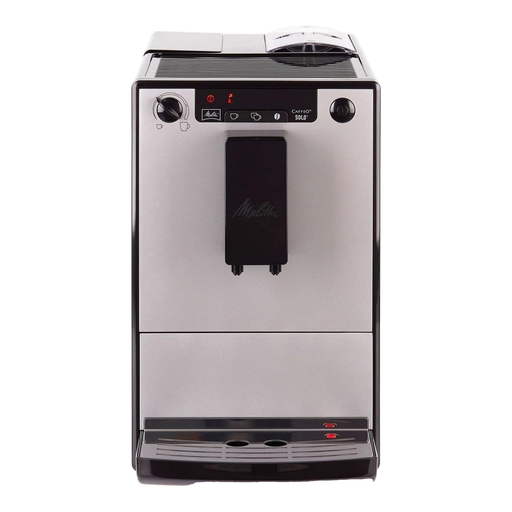
This recommendation is based on its consistent focus on the core function: preparing black coffee and espresso. Its compact design and focus on essential settings make it a functional appliance without unnecessary complexity.
This model is designed for purists who primarily drink espresso and café crème and can do without an integrated milk system. It is suitable for one- to two-person households or as a secondary machine for the office and at home.
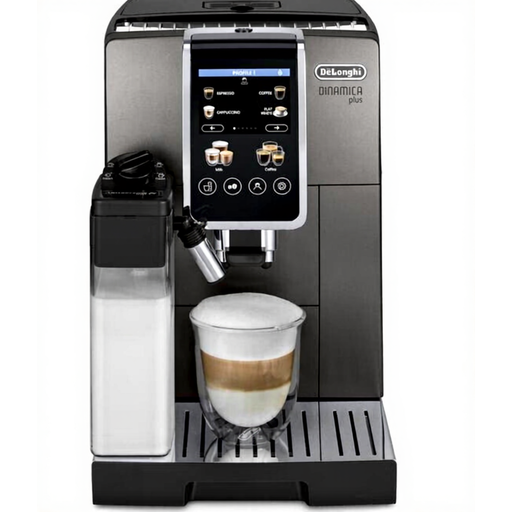
This machine stands out for its high versatility and degree of personalisation. The large touch display and extensive recipe selection cater to users who desire convenience and a wide variety of beverages.
The De'Longhi fully automatic coffee machine is aimed at families, shared living spaces, or small offices where different coffee preferences exist. Users who value intuitive touchscreen operation and a wide selection of one-touch specialities will find this to be a suitable model.
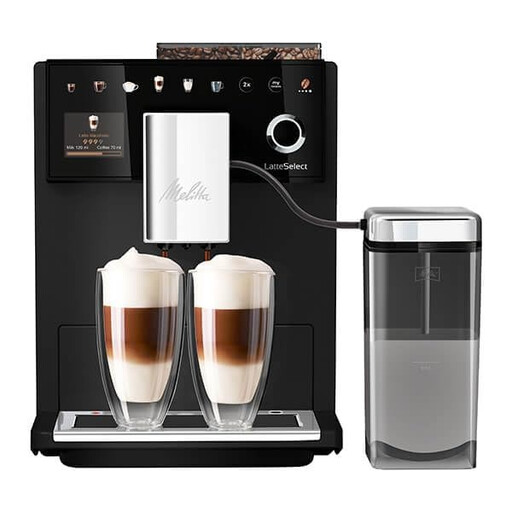
The Melitta fully automatic coffee machine represents a balanced combination of beverage variety, customisation options, and user-friendly maintenance features. The grinder, described as particularly quiet, is a key feature for use in noise-sensitive environments.
This model is suitable for households and small offices where both variety and a low noise level are valued. The ability to use two types of beans appeals to users who enjoy switching between, for example, espresso and café crème beans.
If the models presented here do not exactly meet your requirements, the market offers a multitude of other machines. For a wider selection of machines that prepare various coffee specialities at the touch of a button, visit our One Touch Coffee Machine category.
A fully automatic coffee machine is a specific type of coffee machine with a grinder. The term "fully automatic coffee machine" generally implies a completely automated process from bean to cup, including the brewing process and often milk frothing. A "coffee machine with a grinder" can also refer to a drip coffee maker with an integrated grinder that does not prepare espresso.
The cleaning frequency depends on the model and usage. Daily routines include emptying the coffee grounds container and the drip tray. The milk system should be rinsed with the automatic programme after each use. The brewing unit, if removable, should be cleaned weekly under running water. Descaling and cleaning programmes are typically prompted automatically by the machine after a certain number of uses.
For a fully automatic espresso machine, a fine grind size is typically recommended. A grind that is too coarse will lead to under-extraction, where the coffee tastes watery and sour. A grind that is too fine can cause over-extraction, resulting in a bitter taste. The optimal setting can vary depending on the coffee bean and may require gradual adjustment.