
Lieferung heute & morgen

Qualitätsgarantie

Willkommens-Angebote freischalten: KOSTENLOSE Lieferung | Bis zu 80 % RABATT | Kostenlose 30-Tage-JoyPlus-Testphase
App herunterladen
Choosing your first digital camera can be a challenge, given the vast array of models and technical specifications. An informed decision is based on understanding core features and matching them with your personal needs. This guide breaks down the crucial criteria and presents a selection of cameras for various uses, from everyday photography to vlogging.
Camera spec sheets are filled with information. For beginners, however, a few key parameters are especially important as they directly impact image quality and handling.
The most fundamental decision is the camera type. For beginners, two categories are particularly relevant:
The image sensor is the heart of the camera. A larger sensor can typically capture more light, leading to better results in low-light conditions and less image noise. The resolution, measured in megapixels (MP), determines the level of detail in the image. For most applications, including large prints, a resolution between 20 and 24 MP is more than sufficient. A higher megapixel count alone does not guarantee better image quality.
With compact cameras, the fixed lens is a critical factor. It's important to distinguish between optical zoom and digital zoom. Optical zoom changes the focal length by physically moving the lens elements, fully preserving image quality. Digital zoom is simply an in-camera crop of the image, which results in a loss of quality. With mirrorless cameras, the chosen interchangeable lens determines these characteristics.
A camera with 4K video offers four times the resolution of Full HD (1080p). This results in visibly sharper and more detailed videos. Even if the final output is only in Full HD, 4K recording offers the advantage of being able to zoom or crop into the frame in post-production without a significant loss of quality. For vloggers and content creators, 4K video is a future-proof feature.
A fast and precise autofocus (AF) system is essential for beginners to capture sharp images of moving subjects. Modern cameras offer features like Eye AF, which automatically focuses on the eyes of people or animals. A tilting or articulating screen makes it easier to shoot from unusual angles and is indispensable for a vlogging camera, allowing you to see yourself in the frame.
Based on the criteria above, we present three models suitable for different beginner profiles.
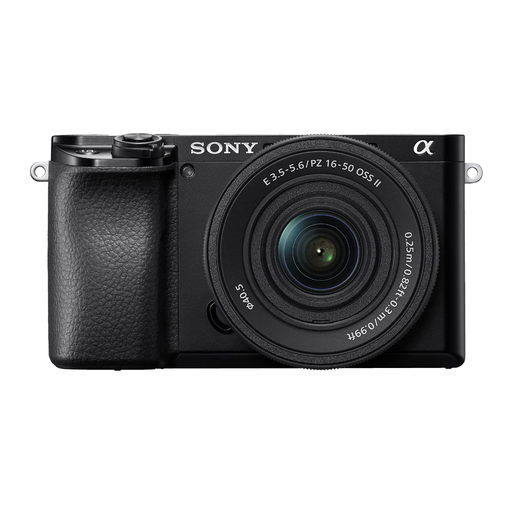
Why we're featuring this product: The Sony Alpha 6100 is a powerful beginner's mirrorless camera that packs technology from higher-end models into a compact body. Its large APS-C sensor and fast autofocus system deliver high image quality and reliability, while the interchangeable lens option leaves room for creative growth.
Key Features:
Best for: Ambitious beginner photographers, vloggers, and content creators looking for a lightweight yet powerful camera that can grow with their skills.
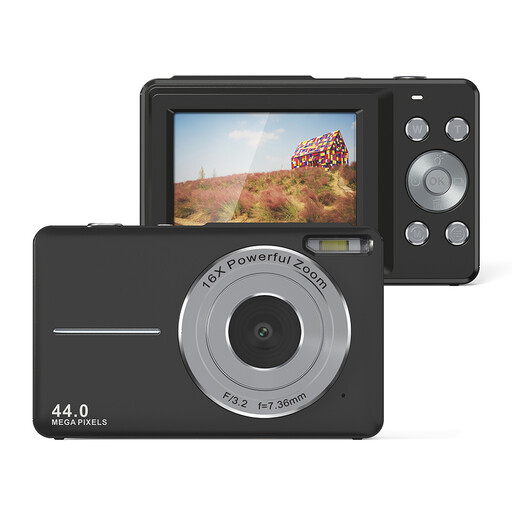
Why we're featuring this product: This model is an extremely compact and budget-friendly starter camera that focuses on essential functions. With its high nominal resolution and simple controls, it's perfect for quick everyday snapshots and as a first camera for young users.
Key Features:
Best for: Budget-conscious beginners, students, and anyone looking for a simple and highly portable compact camera for everyday photography and video.
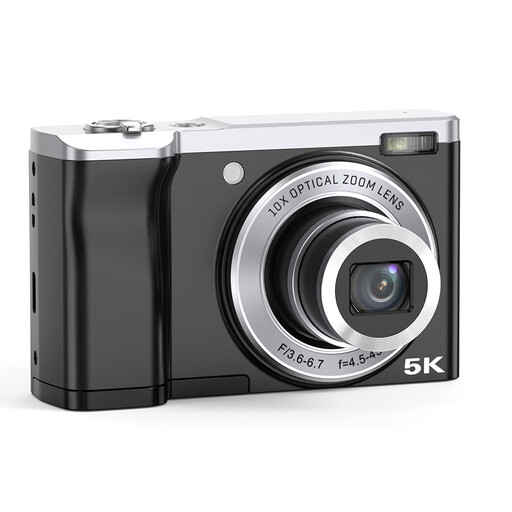
Why we're featuring this product: This camera combines the compactness of an entry-level model with a powerful 10x optical zoom. The additional front-facing camera and 5K video resolution make it a versatile tool for travel, vlogging, and creative projects where flexibility is key.
Key Features:
Best for: Beginners, teens, and travellers who need a flexible compact camera with a powerful zoom lens and modern video features for various shooting situations.
The models featured here cover a broad spectrum for beginners. However, if you're looking for more specific features or different camera types, you can find an expanded selection in our Digital Mirrorless Camera category.
1. What is the main difference between a mirrorless camera and a compact camera? The primary difference is the lens. On a compact camera, the lens is fixed and cannot be changed. A mirrorless camera (DSLM) allows you to swap lenses, which provides greater creative flexibility for different photographic disciplines like portrait, landscape, or macro photography.
2. As a beginner, do I need a camera with 4K video? For photography alone, 4K video isn't necessary. However, if you plan to shoot video, 4K offers significantly higher detail and is more future-proof. It also allows for more flexibility in post-production, as you can crop into your footage without losing quality. For vlogging or creating content for platforms like YouTube, 4K is a highly recommended feature.
3. How many megapixels should a good beginner's camera have? The megapixel count is often overrated. A resolution between 16 and 24 megapixels is perfectly sufficient for most beginners and even for advanced applications like printing posters. More important for image quality are the size and quality of the image sensor and the lens used. Focus on these aspects rather than just the highest megapixel number.
About the Author
Joybuy Product Recommendation Officer