
Lieferung heute & morgen

Qualitätsgarantie

Willkommens-Angebote freischalten: KOSTENLOSE Lieferung | Bis zu 80 % RABATT | Kostenlose 30-Tage-JoyPlus-Testphase
App herunterladen
A reliable bike lock is a fundamental investment in protecting your bicycle. However, with the vast array of models, security levels, and locking mechanisms available, the selection process can be overwhelming. This guide is designed to help you understand the features of different bike locks and make an informed decision tailored to your bike's value and your individual needs.
To find the right lock, it's helpful to consider a few basic criteria. These factors determine how well a lock protects your bike in daily use and how practical it is to handle.
The design of a lock has a direct impact on its security and flexibility.
For a high-security bike lock, independent certifications are a key indicator. The Dutch ART-certified lock is a recognised standard in Europe. The ART Foundation classifies locks into different security levels (indicated by stars). Many insurance companies require a lock with a specific ART certification (e.g., ART** or higher) for theft protection on high-value bicycles.
The choice between a keyed and a combination lock is often a matter of personal preference.
Here is a selection of locks that meet different requirements for security and handling.
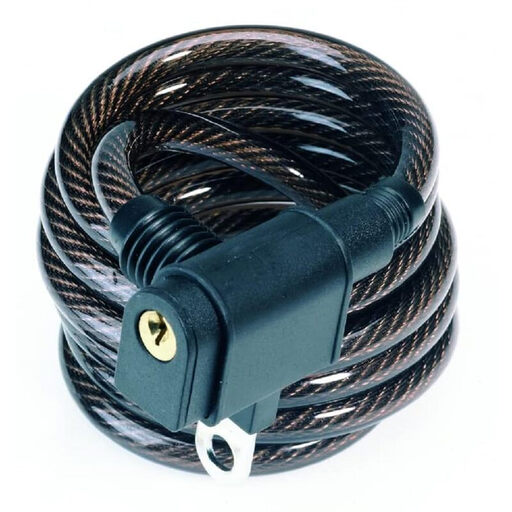
Why It Stands Out This lock combines a generous length with practical accessories. The included saddle clamp mount ensures the lock is always with your bike and never forgotten.
Pros
Who It's For For owners of city or utility bikes who need a simple and lightweight lock for short errands in areas with a low risk of theft. It's also a great option as a secondary lock for securing a helmet or the front wheel.
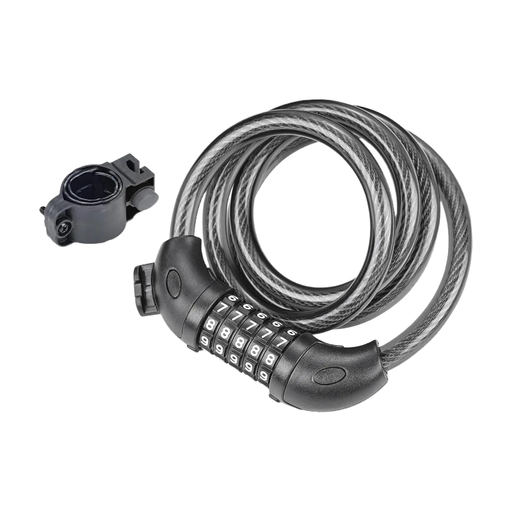
Why It Stands Out The Grifema lock uses a 5-digit code, which, with 100,000 possible combinations, offers significantly higher security than the more common 4-digit versions.
Pros
Who It's For For cyclists who appreciate the convenience of a combination lock and need a solid security solution for their mountain bike or high-quality city bike in areas with a medium risk of theft.
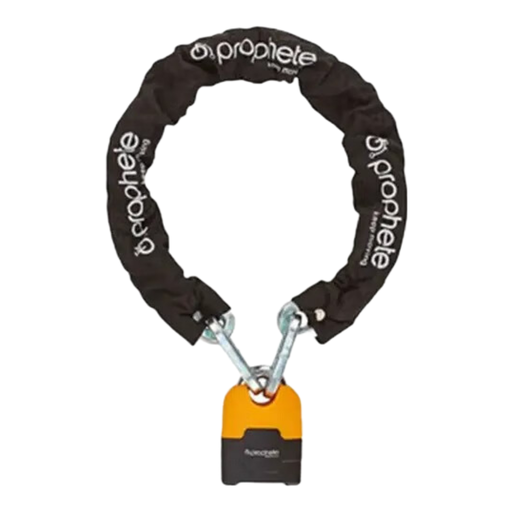
Why It Stands Out This e-bike chain lock features an ART** certification**, making it a top choice among high-security bike locks. This certification is often required by insurance companies for the protection of expensive bicycles.
Pros
Who It's For This lock is specifically aimed at owners of high-value bicycles, pedelecs, and e-bikes who need to park their bike in high-risk areas or want to meet the requirements of their bicycle insurance policy.
Securing your bicycle is an important aspect of protecting your property. If you are also interested in other areas of surveillance and security, such as discreet recording devices, you may find suitable products in our hidden audio cameras category.
Always lock the frame and, ideally, the rear wheel to a solid, immovable object (e.g., a bike rack, lamppost, or sturdy fence). Avoid locking only the front wheel, as it can be easily removed.
The ART Foundation is a Dutch organisation that tests and certifies mechanical security products. The rating is given in stars (1 to 5). An ART-certified lock has passed standardised tests that assess its resistance to break-in attempts. The more stars, the higher the protection.
Security depends not primarily on the type, but on the quality of the locking mechanism and materials. There are both highly secure keyed locks with complex cylinders and highly secure combination locks with many possible combinations. The decision ultimately comes down to personal preference for convenience and handling.