
Lieferung heute & morgen

Qualitätsgarantie

Willkommens-Angebote freischalten: KOSTENLOSE Lieferung | Bis zu 80 % RABATT | Kostenlose 30-Tage-JoyPlus-Testphase
App herunterladen
Watching wild birds in your own garden or from your window offers a delightful diversion and a connection to nature. A suitable bird feeder not only makes it easier for birds to find food, especially during the colder months, but it also offers you fascinating insights into local birdlife. However, given the variety of models—from classic wooden designs to smart feeding stations with cameras—making a choice can be a challenge.
This article serves as a practical guide. We will introduce different types of bird feeders and explain which features are relevant to your specific needs, so you can make an informed decision when buying a birdhouse.
Before you decide on a model, a few basic considerations are helpful. The following points summarise the most important criteria.
The intended location is a key factor in determining the type of feeder.
The material affects not only the appearance but also the durability and cleaning effort.
Modern bird feeders offer more than just a place for food.
Here, we present three different models that cover various requirements and applications.
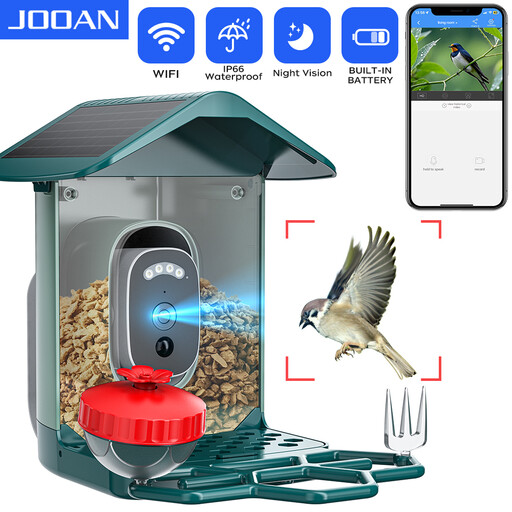
What makes it stand out: This birdhouse with a camera combines feeding wild birds with modern technology. The integrated 2K camera streams live images and videos directly to your smartphone (iOS and Android are supported). A solar panel supplements the power of the 5200 mAh battery, extending its operating time. With a 2-litre capacity, feed needs to be refilled less often. It can be flexibly mounted on a tree or a wall.
Pros:
Who is it for? Ideal for tech-savvy nature lovers and families who want to not only feed birds but also observe and identify them in high quality. It also makes a perfect gift for bird enthusiasts.
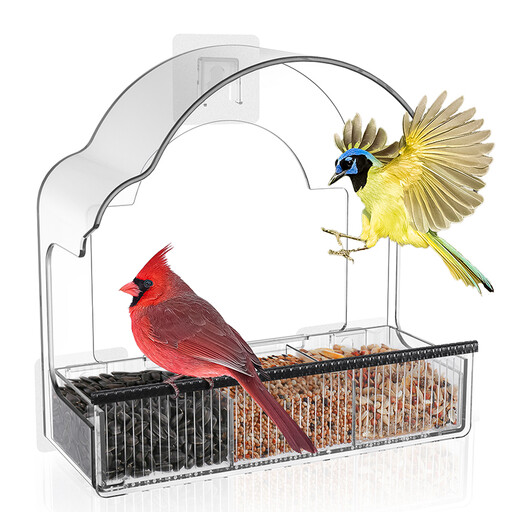
What makes it stand out: This window bird feeder is made of transparent acrylic, allowing for up-close observation right from your living room. It attaches securely to any smooth glass surface with six strong suction cups. The extended roof protects the feed from rain and keeps it dry for longer. Thanks to its minimalist design and availability in various colours, it blends discreetly into its surroundings.
Pros:
Who is it for? Perfect for city apartment dwellers, people without a garden, or families with children who want to experience birds up close without taking up extra space on the balcony or in the garden.
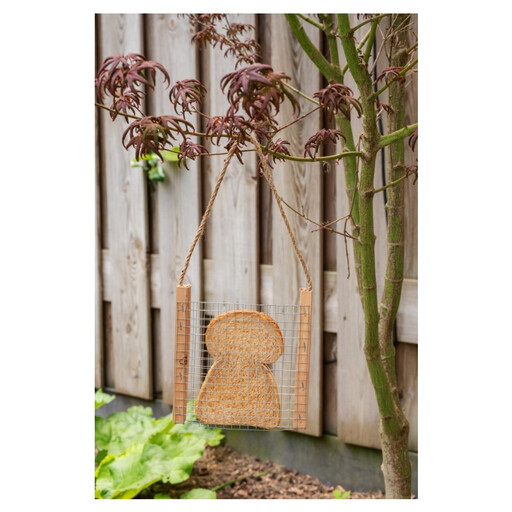
What makes it stand out: This decorative birdhouse is an eye-catcher for any garden. Made from weather-resistant polyresin, it realistically imitates a rustic loaf of bread. The hollowed-out structure serves as a feed depot for grains or seeds. The material is safe for birds and resistant to weathering. Thanks to an integrated hanging loop, it can be easily placed on a branch.
Pros:
Who is it for? For garden owners who value not only functionality but also a unique aesthetic and want to add a natural, yet original, touch to their garden design.
The models presented here already cover a wide spectrum. However, if you haven't found the right product for your needs yet, you can find an even greater variety of designs, materials, and features in our main category.
? Discover our entire range of bird feeders
1. When is the best time to feed wild birds? Traditionally, feeding wild birds is recommended mainly in winter when natural food sources are scarce. However, many ornithologists now advocate for year-round feeding to support birds during the strenuous breeding and nesting season. What's always important is maintaining impeccable hygiene at the feeding station to prevent the transmission of diseases.
2. What kind of feed is suitable for a bird feeder? The choice of feed depends on the bird species you want to attract. A mix of sunflower seeds, hemp seeds, crushed peanuts, and oat flakes is popular with many species like tits, finches, and sparrows. Suet balls and fat-based feed are valuable energy sources, especially in winter. Leftover food, particularly salty or seasoned items, should be strictly avoided.
3. How can I protect a bird feeder from cats and squirrels? Place the feeder in a freestanding or hanging position at least two metres away from walls, fences, or dense shrubs to make it difficult for cats to access. For standing models, a smooth baffle on the pole can prevent squirrels from climbing up. For hanging feeders, there are special baffles or protective cages that keep larger animals away while still allowing small birds to access the feed.