
Lieferung heute & morgen

Qualitätsgarantie

Willkommens-Angebote freischalten: KOSTENLOSE Lieferung | Bis zu 80 % RABATT | Kostenlose 30-Tage-JoyPlus-Testphase
App herunterladen
A good blender can make meal prep a breeze – from creamy smoothies in the morning and velvety soups to quick dips for the evening. But the market is flooded with appliances whose marketing promises often create more confusion than clarity. Before you make a purchase, it's crucial to understand the common pitfalls that can lead to buyer's remorse.
As your Joybuy Product Recommendation Officer, I'll help you define objective criteria for your selection. We'll focus on the facts that truly matter, steering clear of common marketing traps.
The 3 Most Common Traps When Buying a Blender:
To avoid a bad purchase, you should focus on three core aspects. These determine the actual performance and longevity of your future blender.
Raw motor power in watts is only part of the equation. True efficiency comes from the synergy of its components:
The materials that come into contact with your food are a key quality criterion:
A good immersion blender set is defined not by the number of its attachments, but by their quality and usefulness. A sturdy chopper for herbs, nuts, or onions and a stable whisk are more valuable to many home cooks than a dozen flimsy attachments that are rarely used. Look for stable connection systems (e.g., click systems) and dishwasher-safe parts.
Instead of presenting an overwhelming list, we have selected models that meet specific needs and avoid the pitfalls mentioned.
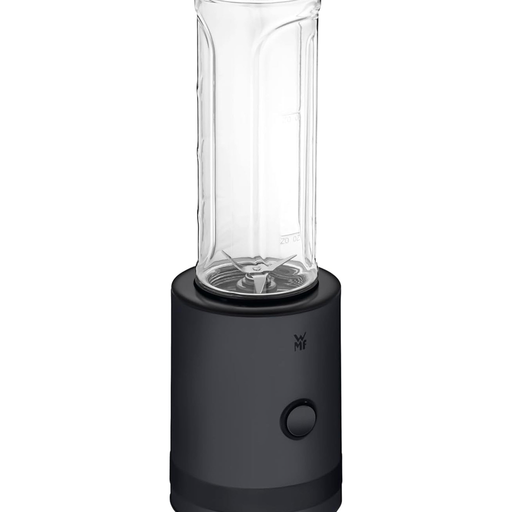
Why It's a Match: Ideal for those who want to quickly and easily prepare single-serving blender for smoothies. The compact design and two included to-go cups are perfect for a quick start to the day or for taking with you.
This device avoids the "all-in-one" trap by specialising in one core function: making smoothies. The simple construction and dishwasher-safe containers solve the cleaning problem.
The blend-and-go container makes it extremely practical for an on-the-go lifestyle. The 4-pronged stainless steel blade is also designed for crushing ice.
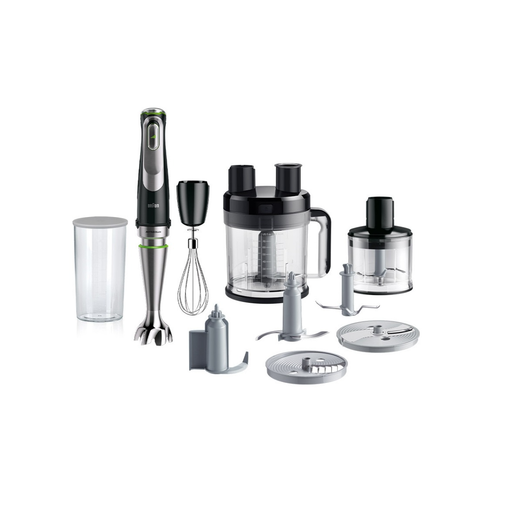
Why It's a Match: For anyone looking for more than just an immersion blender. This set transforms the hand blender into a mini food processor, suitable for demanding tasks from chopping hard ingredients to shredding vegetables.
This model bypasses the wattage trap with smart technology: the 1200-watt motor is combined with Active PowerDrive technology, which translates power into performance efficiently. The blender with accessories is high-quality and functional, not just filler.
Extreme versatility thanks to the extensive yet well-designed accessories, including a 2-litre food processor attachment. The EasyClick Plus system ensures a quick and easy change of parts.
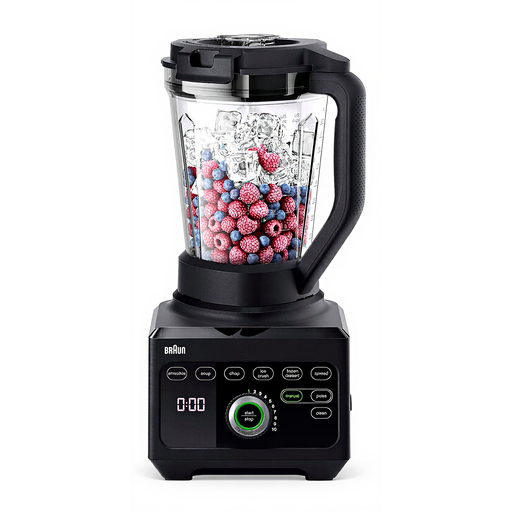
Why It's a Match: Perfect for families or anyone who regularly prepares large quantities. The 1600-watt motor and large 3-litre jar effortlessly handle big batches of soup, smoothies for several people, or crushing ice for parties.
This model impressively debunks the wattage trap. The high power is purposefully channelled through TriAction Technology (triangular jug) and iTextureControl programs to produce optimal results, not just noise.
The combination of high power, large capacity, and intelligent automatic programs allows for efficient and controlled preparation. The German-made Solingen blades represent high quality and durability.
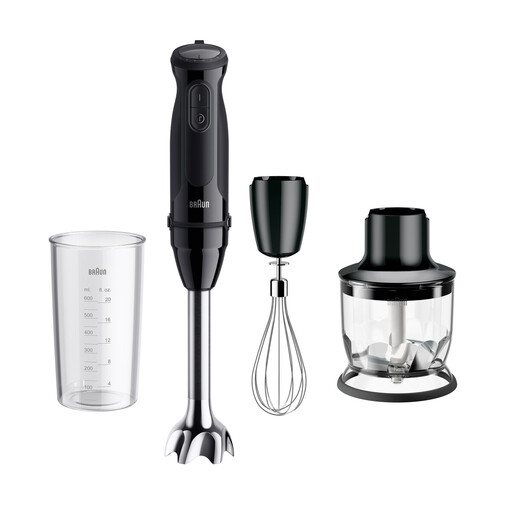
Why It's a Match: A classic Braun blender that offers an excellent balance of power and functionality. It's the ideal all-rounder for daily tasks like puréeing soups, preparing baby food, or chopping onions.
This immersion blender set focuses on essential, high-quality accessories (chopper, whisk) and avoids unnecessary clutter. The PowerBell VPlus technology shows that the focus is on an efficient blade system, not just raw wattage.
The 1000-watt motor provides ample power reserves, while the 21 speed settings allow for precise control. The SplashControl technology ensures clean operation directly in the pot.
We have compiled a complete, up-to-date list of products that fully meet these strict selection criteria and German safety regulations.
1. How many watts does a good blender really need? Wattage alone isn't the deciding factor. For everyday tasks like puréeing soups or making smoothies, models with 800 to 1200 watts are generally more than sufficient. More important is the interplay between the motor, blade geometry, and container shape. A well-engineered blender with 1000 watts can deliver better results than a poorly designed 1500-watt appliance.
2. Can I crush ice with an immersion blender? That depends on the model. Powerful immersion blenders (usually 1000 watts or more) with robust stainless steel blades and special attachments can crush ice cubes or frozen fruit. However, for regular and effortless ice crushing, a high-performance countertop blender is often the more suitable choice, as its construction and motor are designed for this high-stress task.
3. What's the most effective way to clean my blender? The easiest method is to clean it immediately after use. Rinse removable parts directly under running water. Many accessories and blender jars are now dishwasher-safe—check the manufacturer's instructions for this. For fixed blades in a countertop blender, fill the container halfway with warm water, add a drop of washing-up liquid, and run the appliance on its highest setting for a few seconds. Then rinse and let it dry.