
Lieferung heute & morgen

Qualitätsgarantie

Willkommens-Angebote freischalten: KOSTENLOSE Lieferung | Bis zu 80 % RABATT | Kostenlose 30-Tage-JoyPlus-Testphase
App herunterladen
A blender is more than just a kitchen appliance; it's a tool for a healthy and time-efficient lifestyle. Whether for a morning smoothie, a creamy vegetable soup, or homemade nut milk, the right model can make daily life significantly easier. But the market is overwhelming and full of marketing promises. Many devices turn out to be a poor investment, gathering dust in a cupboard after a short time.
As your Joybuy Product Recommendation Officer, I'll help you recognise the common pitfalls and make an informed decision. We'll focus on the facts that truly matter.
Before we dive into the important features, let's highlight the most common issues that lead to dissatisfaction.
To make a good choice, you should focus on three technical aspects that determine a blender's performance and longevity.
A powerful motor is the foundation, but it's the speed (revolutions per minute, RPM) that ensures fine results. A high-performance blender, which needs to process fibrous vegetables like kale or hard nuts into a smooth consistency, requires speeds of over 20,000 RPM. For a simple smoothie maker that mainly processes soft fruit, lower values are sufficient. Pay attention to the interplay: a high wattage should enable a high RPM to be effective, not just loud.
The choice of jar material has a direct impact on use and hygiene.
Modern blenders offer a variety of programs. Here are a few that provide real added value:
Instead of making a one-size-fits-all recommendation, we've selected models that suit specific lifestyles and needs.
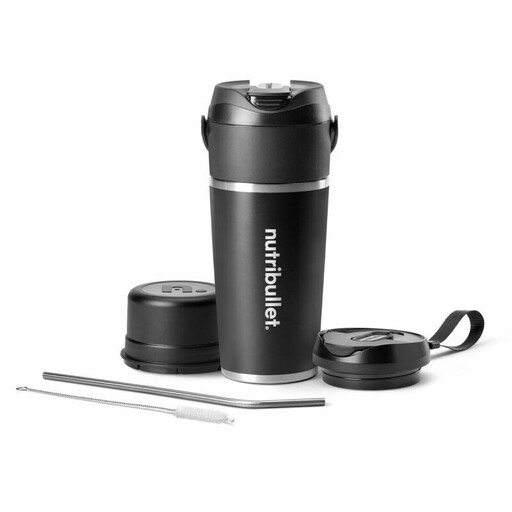
Why it's a great fit: This cordless blender is designed as a 2-in-1 solution – a blender and an insulated drinking cup in one. Perfect for a smoothie at the office, after a workout, or while travelling. The USB-C charging is practical and modern.
This device doesn't try to be a high-performance blender. It specialises in mobile use, thus avoiding the wattage trap by focusing on portability rather than raw power.
According to the manufacturer, the double-walled stainless steel cup keeps drinks cold for up to 24 hours. Cleaning is straightforward by simply rinsing out the cup directly.
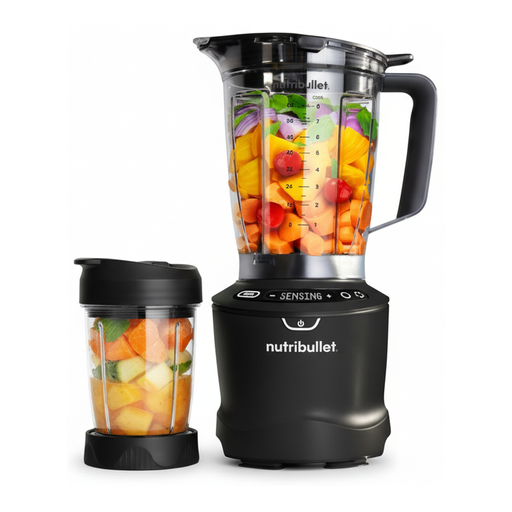
Why it's a great fit: This set is a versatile kitchen blender. With a large 1.8-litre pitcher for family smoothies or soups and two additional to-go cups, it offers flexibility for every need. The 1500-watt motor handles even tough ingredients with ease.
It combines high power with smart automatic programs, ensuring power is used effectively and avoiding the wattage trap. The BPA-free Tritan jar avoids the downsides of cheap plastic.
The combination of a large pitcher and personal cups covers all use cases. The smart touchscreen interface with automatic programs ensures repeatable, consistent results.
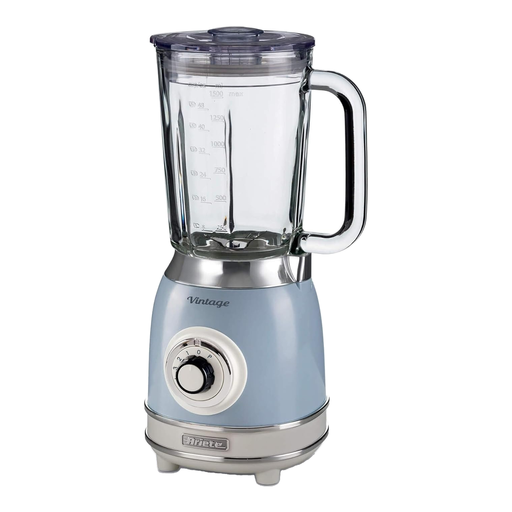
Why it's a great fit: For anyone who values both aesthetics and functionality. The retro design is an eye-catcher in any kitchen, while the 1000-watt motor and 1.5-litre glass jar provide solid performance for everyday tasks like smoothies, shakes, and crushing ice.
This model avoids the material trap by using a robust glass jar. Despite its focus on design, core features like four speed settings and an ice-crush function are not neglected.
The 1.5-litre glass jar is hygienic, dishwasher-safe, and ideal for preparing a wide variety of foods. The combination of appealing design and solid performance makes it a practical showpiece.
Many powerful blenders are also excellent for making nut butter and plant-based milk. We've compiled a selection of products that meet these criteria.
How many watts should a good blender have? Wattage alone isn't the deciding factor. For simple smoothies with soft fruit, 500 to 700 watts is often sufficient. A high-performance blender, intended to blend fibrous vegetables, nuts, or ice into a creamy consistency, benefits from 1000 watts or more. However, the interplay with high-quality blades and an efficient jar design is more important.
Can you process hot liquids in any blender? No, and this is an important safety note. Only process hot liquids in jars that are explicitly approved for this purpose by the manufacturer. These are typically jars made of borosilicate glass or heat-resistant, BPA-free plastic (Tritan). In conventional plastic jars, the heat can create pressure that could lead to a sudden eruption of hot contents. Models with a blender with heating function are specifically designed for this purpose.
What's the easiest way to clean a blender? For a quick clean after use, fill the jar halfway with warm water and add a drop of washing-up liquid. Run the blender on a low setting for about 30 seconds. Then, rinse well. On models with removable blades, these can be taken out for a more thorough cleaning. Some devices also offer a dedicated self-cleaning program.