
Lieferung heute & morgen

Qualitätsgarantie

Willkommens-Angebote freischalten: KOSTENLOSE Lieferung | Bis zu 80 % RABATT | Kostenlose 30-Tage-JoyPlus-Testphase
App herunterladen
Keys, wallet, or backpack—certain everyday essentials have a knack for disappearing just when you need them most. A Bluetooth tracker is a small, battery-powered device that attaches to your valuables, allowing you to locate them using your smartphone. This article provides a practical guide to the features and functions of current models. Our goal is to help you choose the right device, especially if you use an Android smartphone and are looking for a reliable AirTag alternative for Android.
Choosing the right model depends on several technical factors. The following points will help you make an informed decision when you're ready to buy a smart tag.
The effectiveness of a Bluetooth tracker depends entirely on the network it uses for location services. There are three main ecosystems:
For Android users, it is therefore crucial to choose a tracker for Android that supports Google's network to ensure the widest possible coverage.
Bluetooth trackers use various technologies to make finding your items easier:
The physical characteristics are important for practical, everyday use. Look for a durable design with an eyelet or hole to easily attach the item finder to a keychain or backpack. Manufacturers often state a battery life of one year or more; models with an easily replaceable standard coin cell battery (e.g., CR2032) are generally easier to maintain. For use as a tracker for luggage or on items exposed to the elements, an IP rating for water and dust resistance (e.g., IP67) is an important quality indicator.
Based on the criteria mentioned, here are a few models that stand out for their technical features and system integration.
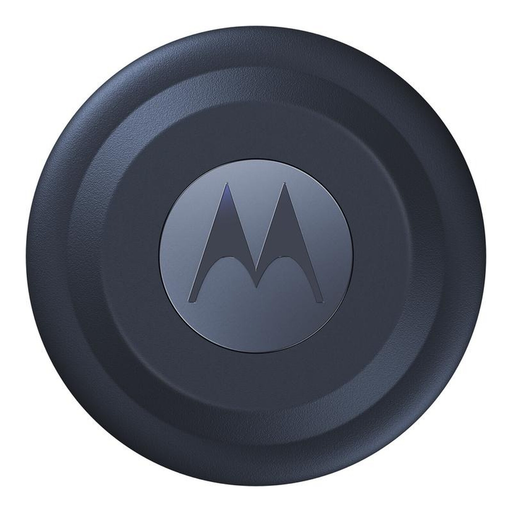
Why this model stands out: The Motorola Moto Tag is specifically designed for the Android ecosystem and integrates seamlessly with Google's Find My Device network. This makes it a brand-agnostic option for a wide range of Android users.
Pros:
Who is this product for? Ideal for Android users looking for a reliable AirTag alternative for Android that is directly integrated into the operating system, without being tied to a specific smartphone brand.
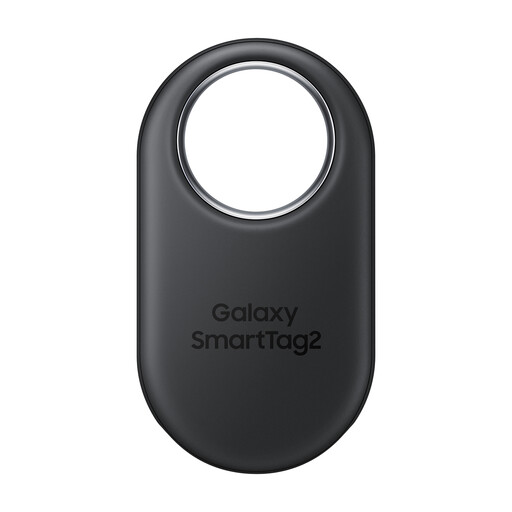
Why this model stands out: The Galaxy SmartTag2 offers deep integration into the Samsung ecosystem. With features like the UWB-powered Compass View and a long battery life, it's a powerful option for Samsung device owners.
Pros:
Who is this product for? This model is specifically aimed at users of Samsung Galaxy smartphones (running Android 9.0 or higher) who want to benefit from the advanced functionality within the SmartThings ecosystem.
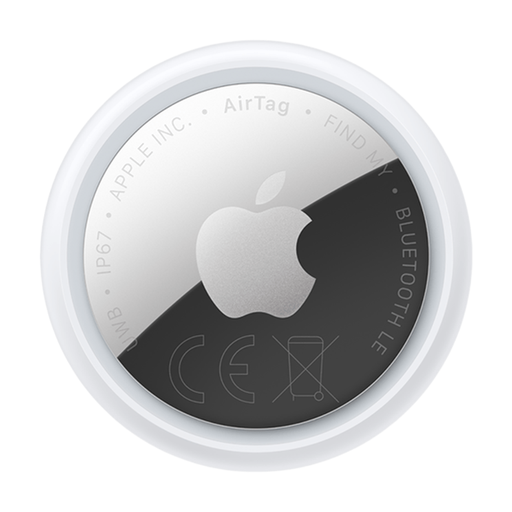
Why this model stands out: The AirTag is the benchmark in the Apple ecosystem. It is distinguished by its extremely simple setup, the vast Find My network, and its Precision Finding feature powered by UWB technology.
Pros:
Who is this product for? Exclusively for users of Apple products like the iPhone or iPad. This product is not compatible with Android.
If the models presented here don't perfectly match your needs, or if you're looking for more specialized solutions, you can find a wider selection in our category.
Discover more tracking devices on Joybuy.de
1. How exactly does a Bluetooth tracker work? A Bluetooth tracker periodically emits a Bluetooth signal. If your smartphone is within range, it can measure the signal strength to estimate the approximate distance. You can also make the tracker play a sound. If the tracker is out of range, its location is updated anonymously via the tracking network (e.g., Google's Find My Device or Apple's Find My) as soon as another device in the network detects the tracker's signal.
2. Do all Bluetooth trackers work with both Android and iPhone? No, compatibility is a crucial factor. Apple AirTags only work with Apple devices. Trackers like the Samsung SmartTag2 are optimized for Samsung devices. Models like the Motorola Moto Tag are specifically designed for the general Android ecosystem and Google's Find My Device network. Always check the manufacturer's system requirements before purchasing.
3. Can you use a Bluetooth tracker for luggage? Yes, using a Bluetooth tracker in your luggage is a common use case. It allows you to check on your smartphone if your suitcase has arrived at your destination. The devices are small, lightweight, and Bluetooth technology is safe to use on airplanes. However, it is always advisable to check the specific regulations of your airline.