
Lieferung heute & morgen

Qualitätsgarantie

Willkommens-Angebote freischalten: KOSTENLOSE Lieferung | Bis zu 80 % RABATT | Kostenlose 30-Tage-JoyPlus-Testphase
App herunterladen
A great game night brings people together and creates lasting memories. But the selection of board games is vast, and not every game that looks promising delivers on its potential. As a Joybuy Product Recommendation Officer, I see daily which factors determine a successful purchase. It's often not the heavily advertised titles that win in the end, but games that are precisely matched to the occasion and the group.
Many buyers invest in games that disappear into a cupboard after a single playthrough. To save you from this disappointment, we'll highlight the most common pitfalls and show you which objective criteria to focus on when making your choice.
Before deciding on a game, it's helpful to know the typical reasons for a bad purchase. These three points often lead to frustration and unused games on the shelf.
To avoid the pitfalls mentioned above, you should check three objective parameters before buying. These will help you filter the options and find a game that truly fits your needs.
These two details are fundamental for planning. A game designed for 3–6 players rarely works well with just two. Family games are often designed for 2–5 people and have a moderate playtime of 30 to 60 minutes, which suits children's attention spans. Adult party games, on the other hand, are frequently designed for larger groups (e.g., up to 10 players) and offer flexible gameplay that allows for late arrivals. Check these details carefully to ensure the game fits your typical game night.
The mechanics define the player experience. Are you looking for straightforward entertainment or a strategic challenge?
A good game remains captivating even after the tenth session. High replay value usually comes from variable elements: a modular game board, a large number of different cards, various victory strategies, or simply chaotic and humorous interaction that makes every round unpredictable. Games with high replay value are a sustainable investment in future entertainment.
Based on the criteria above, we have identified some games that are particularly well-suited for specific profiles and occasions.
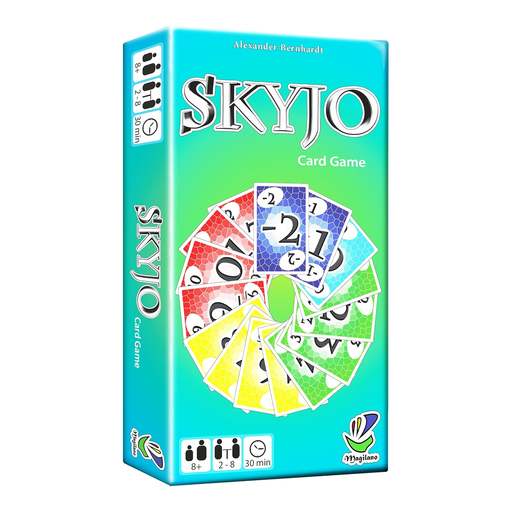
Why it's a great fit: SKYJO is designed for a wide age range (8+) and a flexible number of players (2-8). The rules are explained in minutes, so kids and grandparents alike can jump right into the game.
It avoids the trap of mismatched group dynamics, as the mix of luck and simple tactics doesn't overwhelm or underwhelm anyone. The replay value is high because each round unfolds differently due to the random card distribution.
Playfully promotes mental math and concentration. The playtime is flexible and can be adjusted to the time available.

Why it's a great fit: Hitster is the ideal party game for adults. It combines music with a simple game principle and works for large groups (2-10 players). It requires no prior knowledge and serves as an icebreaker, encouraging sing-alongs and discussions.
It sidesteps the hidden requirements pitfall by clearly communicating the need for the app and Spotify—here, it's a central feature, not a drawback. The replay value is ensured by over 300 music titles and the group's interaction.
No setup time needed—just scan a card and start playing. The music instantly creates a relaxed atmosphere.
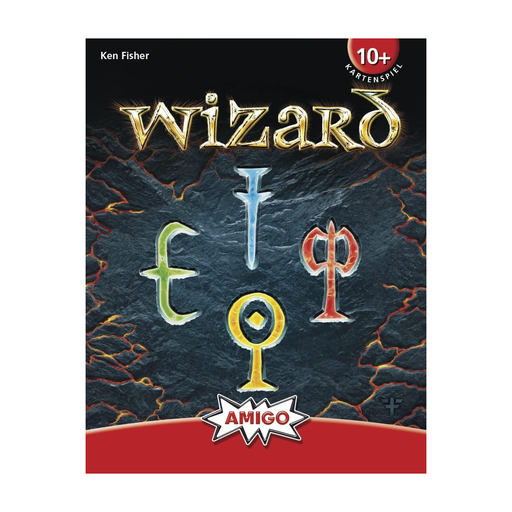
Why it's a great fit: Wizard is a trick-taking game that requires foresight and tactical skill. It's ideal for a smaller, focused group (3-6 players) who appreciate more than just luck in their games. The learning curve is moderate, but the strategic depth is considerable.
It completely avoids the "one-and-done" effect. Every round is different, as players must predict their tricks, which presents a new challenge depending on their hand and their opponents.
Promotes strategic thinking and probability assessment. Its compact size makes it an excellent travel companion.
We've compiled a complete, up-to-date list of products that fully meet these strict selection criteria and UK safety regulations.
What makes a good family game? A good family game is characterized by simple, easy-to-understand rules, a moderate playtime (approx. 20–45 minutes), and a game mechanic that is engaging for both children and adults. It should have a balanced mix of luck and strategy so that the same person doesn't always win and frustration levels remain low.
How many board games do you really need? Here, quality trumps quantity. Instead of amassing a large collection of unused games, it's more sensible to own 3 to 5 versatile games that cover different occasions: a quick card game for in-between moments, an accessible family game, a party game for larger groups, and perhaps a more demanding strategy game for enthusiasts.
How should you store card games to extend their lifespan? To keep cards and game components in good condition, they should always be stored in their original packaging in a dry place protected from direct sunlight. Moisture and UV light can cause the material to warp or the colours to fade. For particularly frequently used or valuable card games, card sleeves can provide additional protection against wear and tear.