
Lieferung heute & morgen

Qualitätsgarantie

Willkommens-Angebote freischalten: KOSTENLOSE Lieferung | Bis zu 80 % RABATT | Kostenlose 30-Tage-JoyPlus-Testphase
App herunterladen
A new game night is on the horizon, but the selection of board games is vast and often overwhelming. The disappointment is immense when a game with promising advertising ends up gathering dust on the shelf after just one round because it doesn't suit the group or the rules are too complicated. Many buyers invest in games that impress with clever marketing but fail in practice. This guide will help you navigate the typical pitfalls and make an informed decision.
Before we dive into the important selection criteria, let's highlight two common problems that often lead to bad buys:
To find the right game, you shouldn't be swayed by the packaging but rather check three objective criteria. These will help you filter the options effectively.
These three details on the box are your most important filter. A game designed for 2-4 players won't work for a party of eight. Likewise, a game with a stated duration of 120 minutes is a poor choice for a quick pastime after dinner.
The way a game is played determines the entire atmosphere of the evening. Do you want to work together or compete against each other?
An engaging theme can significantly boost motivation. Whether it's fantasy, a crime mystery, or an economic simulation—the theme should match the group's interests. Equally important is the quality of the components. Sturdy cards, well-crafted game pieces, and a robust game board are indicators of durability and prevent the rapid wear and tear that is often an annoyance with more cheaply produced games.
Here are some recommendations tailored to different needs and occasions that avoid the pitfalls mentioned.
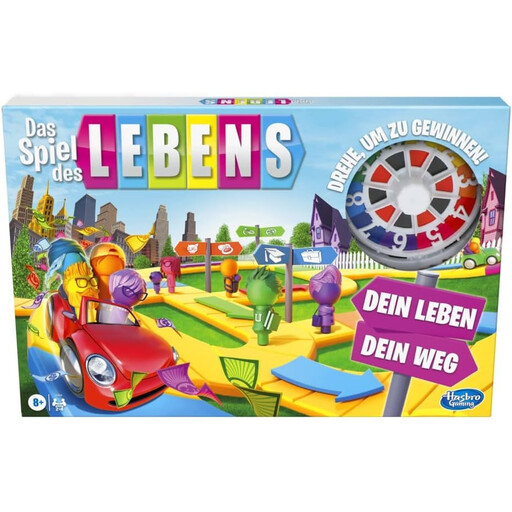
Why This Fits Their Persona: Ideal for a classic family game night. The rules are simple, and the gameplay is a mix of luck and light decisions, making it accessible for both kids aged 8+ and adults. It's a perfect gift for children and families.
It bypasses the complexity trap, as no lengthy onboarding is needed. The replay value is ensured by the different life paths and events in every game.
Promotes social interaction and simple strategic decisions. The material, made of sturdy cardboard, is designed for durability.

Why This Fits Their Persona: Perfect for young adults looking for a straightforward and hilarious game for parties or pre-gaming. The rules are incredibly simple, and the game instantly creates a lively atmosphere. It's an ideal card game for adults.
It avoids the low-replayability trap, as the 110 cards with jokes and tasks create new, unpredictable situations in every round. The dynamic depends on the group and is always different.
No preparation needed, ready to play instantly. Its compact size makes it an ideal travel game. Suitable for 2+ players, making it very flexible.
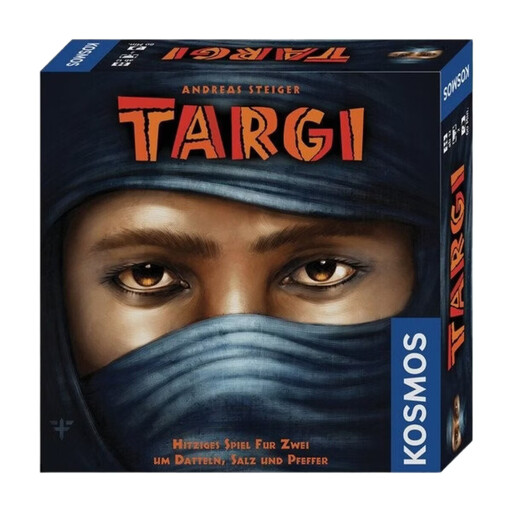
Why This Fits Their Persona: Specifically designed for two players seeking a sophisticated strategy game. It offers deep strategic gameplay without direct conflict, making it ideal for couples or friends who appreciate a compelling duel.
This is not a simplified party game but a fully-fledged strategy game. The variable setup through cards ensures enormous replayability, as no two games are alike.
A unique worker-placement mechanism that requires a great deal of interaction. It was nominated for the Kennerspiel des Jahres (Connoisseur's Game of the Year), which underscores its quality.
We've compiled a complete, up-to-date list of products that fully meet these strict selection criteria and adhere to rigorous safety standards.
1. How should I store board games correctly to make them last? To maximize the lifespan of your games, it's best to store the boxes flat in a dry place protected from direct sunlight. Moisture and UV light can damage cardboard and paper materials. For games with many small parts, small bags or sorting boxes can help maintain order and prevent loss.
2. What exactly is a "cooperative board game"? In a cooperative board game, all participants play together as a team against the game itself, rather than against each other. The goal is to overcome a shared challenge before a game-defined condition causes you to lose. This type of game fosters team spirit and communication. A well-known example is "The Crew," where all players must work together as a team of astronauts to complete missions.
3. How can I find out if a game is suitable for my group before buying it? Read the description of the game mechanics carefully. Pay attention to the core parameters: player count, game duration, and age recommendation. Videos explaining the rules or showing gameplay, which are available online, can also provide an excellent impression of the complexity and feel of the game. This helps to avoid the "complexity trap" and ensures that the game matches your group's experience level and expectations.