
Lieferung heute & morgen

Qualitätsgarantie

Willkommens-Angebote freischalten: KOSTENLOSE Lieferung | Bis zu 80 % RABATT | Kostenlose 30-Tage-JoyPlus-Testphase
App herunterladen
By a Joybuy Product Recommendation Officer
The search for a fun activity that family or friends can enjoy together—away from screens—often leads to a time-tested solution: a good board game. But with so many options available, deciding which game is right for your next game night or family afternoon can be a challenge. This article serves as a practical guide, designed to help you make an informed choice that fits your needs based on objective information.
Before you choose a game, a few basic considerations can make the selection process much easier. Instead of being swayed by packaging, the following criteria will help you find the perfect game for your group.
The most fundamental filters are the intended number of players and the manufacturer's age recommendation. A game designed for two people won't work for a larger group, while party games often require a minimum number of participants. The age rating is also a key indicator, not just for safety (e.g., small parts) but also for the complexity of the rules. Games for ages 8 and up often strike a good balance, as they are understandable for younger players but still entertaining for adults.
Are you planning an extended game night, or are you looking for quick entertainment in between? The average game duration listed on the box is a useful guide. Short games are well-suited for groups with shorter attention spans or when time is limited. In contrast, complex strategy games with long play times are ideal for dedicated players who enjoy immersing themselves in a theme.
Consider what kind of interaction you want. Should it be a strategic competition, a cooperative adventure, or a game of pure chance? Classic board games often combine elements of strategy and luck, which keeps them interesting for many rounds. High replay value is achieved when each game plays out differently, allowing players to try new tactics. This ensures a game doesn't just gather dust on the shelf after a few plays.
Based on the criteria above, we have curated a selection of games that cater to different preferences and occasions.
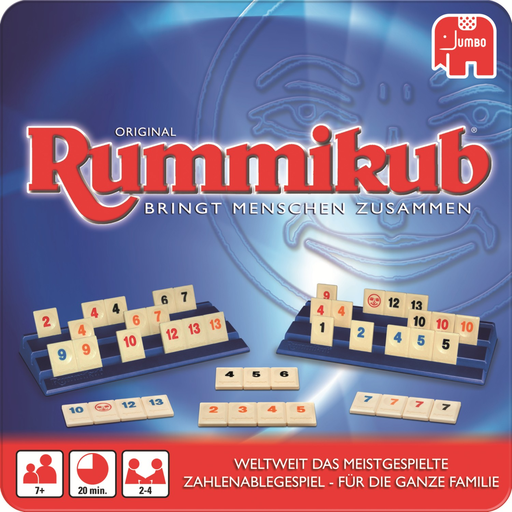
Why It Stands Out: Rummikub is a timeless classic that elegantly combines numerical logic with strategic planning. The goal of being the first to lay down all your tiles in groups or runs of numbers is easy to grasp, yet offers tactical depth. The sturdy metal box and durable plastic tiles make it a game that will last for years.
Advantages:
Who It's For: Ideal for families looking for family board games with an educational aspect. It's equally suitable for social gatherings with adults who appreciate a quick yet challenging game.
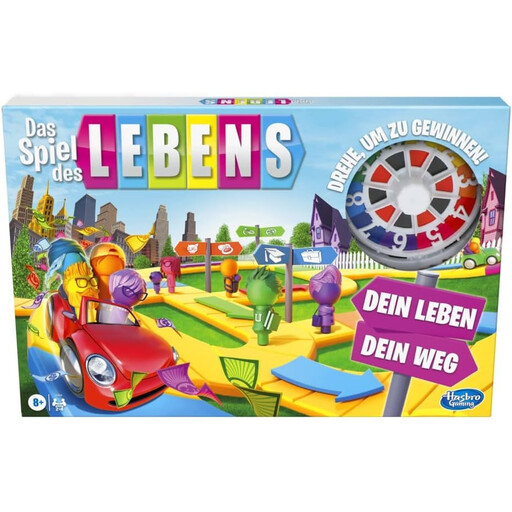
Why It Stands Out: This game simulates a journey through life where players make decisions about career, family, and finances. The colourful pegs representing players in their cars and the unpredictable twists at every turn make each playthrough a unique experience. It focuses less on intense strategy and more on storytelling.
Advantages:
Who It's For: Families looking for an entertaining and less competitive game. It's a great choice for players who enjoy luck-based mechanics and the experience of a playful life story.

Why It Stands Out: Cluedo is the quintessential detective game. In this updated version, players must figure out who murdered Dr. Black, with what weapon, and in which room. The new edition combines the classic gameplay with a modernised story and new elements like evidence cards that speed up the investigation.
Advantages:
Who It's For: Perfect for a game night with friends or family who love mysteries and puzzles. It is one of the games for ages 8 and up that also captivates adults with its logical challenge.
The games featured here cover only a small fraction of the diverse world of board games. If you're looking for more options or specific genres, you might find the perfect game for your taste in our broader selection.
? Explore more Kids' Board Games and find your next favorite.
1. What makes a good family game? A good family game is characterized by rules that are understandable for various age groups. It should offer a balanced mix of luck and strategy, so even younger players have a chance to win. An appropriate game duration ensures that everyone stays engaged.
2. Which classic board games are still popular today? Many classic board games enjoy enduring popularity. These include strategy games like Rummikub, where planning and adaptability are key, as well as deduction games like Cluedo. Their success is often based on timeless game mechanics that appeal to generations of players.