
Lieferung heute & morgen

Qualitätsgarantie

Willkommens-Angebote freischalten: KOSTENLOSE Lieferung | Bis zu 80 % RABATT | Kostenlose 30-Tage-JoyPlus-Testphase
App herunterladen
The selection of board games is vast, but not every game that looks promising actually delivers. Opaque packaging or exaggerated marketing claims often lead to disappointment and purchases that gather dust on the shelf after a single playthrough. As your Joybuy Product Recommendation Officer, I'll help you spot the common pitfalls and make an informed decision that suits your occasion and your group.
Before you invest, you should be aware of the most common issues that can spoil the fun:
To avoid these traps, you should focus on three objective parameters that determine a game's long-term success.
The most important factor is the context in which the game will be played. Clearly define for whom and for what occasion you are looking for a game.
The mechanics determine how a game feels and how often you'll want to play it again. Pay attention to the following aspects:
These practical details on the packaging are not just recommendations; they are essential information.
Here are three recommendations tailored to different needs that cleverly avoid the pitfalls mentioned.
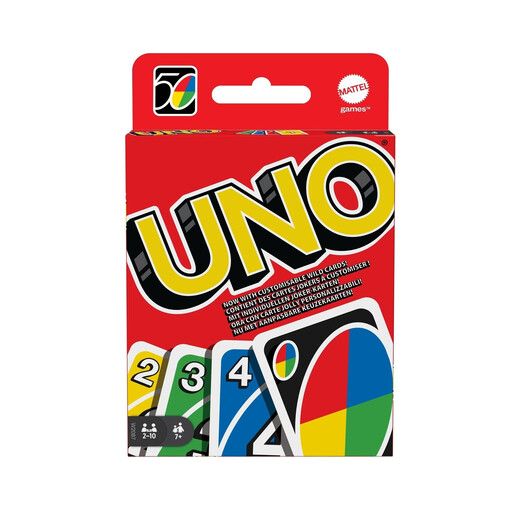
Why it's a great fit: UNO is a classic game that connects generations. The rules can be explained in a minute, and the mix of luck and simple tactical moves (like holding back action cards) creates excitement for all ages. Ideal for a large group, as it works with up to 10 players.
It bypasses the Complexity Trap with its universally understood gameplay. The high replay value, thanks to ever-new card combinations and the dynamics of action cards, prevents the 'One-and-Done' Trap.
Extremely quick to learn, suitable for a wide age range (7+) and large groups. The customisable Wild Cards offer additional variability.
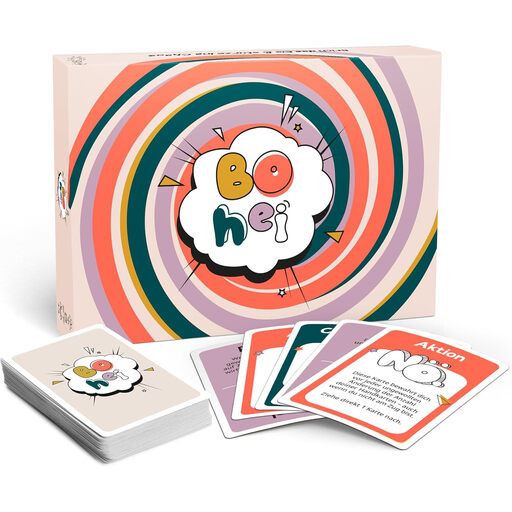
Why it's a great fit: This game is explicitly designed as a party game for adults and young people. It thrives on chaos, humour, and surprising actions. The rules are simple, but the constantly changing conditions from action and rule cards create high-energy dynamics and plenty of laughter.
It is perfectly tailored to the "party" target audience, thus avoiding the Target Audience Mismatch. The unpredictable nature of the game guarantees extremely high replay value and is the exact opposite of a one-and-done game.
Promotes interaction and creates a lively atmosphere. Ideal for groups of 3 to 8 players and requires no lengthy setup or rule-reading.
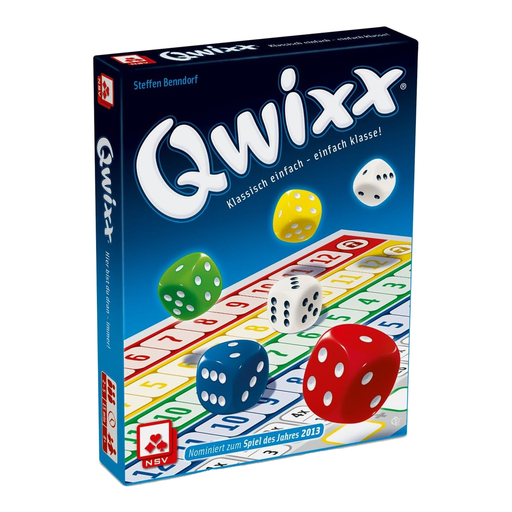
Why it's a great fit: Qwixx is the ideal entry point into the world of strategy games. It combines the luck of the dice with tactical decisions, without overwhelming players with complex rules. Since all players can act simultaneously, there's no long downtime. The short game duration of about 15 minutes invites multiple rounds.
It's the perfect antidote to the Complexity Trap: easy to learn, but with enough depth to reward strategic thinking. Its nomination for the "Spiel des Jahres 2013" (Game of the Year) is an objective indicator of polished and accessible game design.
Fast, exciting, and with no waiting time. It promotes tactical thinking and risk assessment in a very accessible way. Compact format, ideal as a travel game.
We have compiled a complete, up-to-the-minute list of products that fully meet these strict selection criteria and all relevant safety regulations.
What makes a good family game? A good family game is characterized by rules that are understandable for various age groups. It should offer a balanced mix of luck and simple strategic elements, giving both children and adults a fair chance. A moderate playing time of under 45 minutes and the ability to play with a variable number of players are also important features.
How should I store board games and card games properly? To extend the life of your games, you should store them in a dry place, protected from direct sunlight. Moisture can cause game boards and cards to warp or swell. Organize small components in resealable bags to prevent loss. For card games, it can help to store the cards vertically instead of flat to prevent them from bending.
Is there a difference between party games and games for adults? Yes, although there is some overlap. Party games are generally designed for larger groups and have very simple, often humorous rules that are quickly explained. Their main purpose is to encourage interaction and create a relaxed atmosphere. Games for adults can also be party games (such as drinking games), but they also include more complex strategic games or thematically mature board games that are not suitable for children due to their theme or complexity.