
Lieferung heute & morgen

Qualitätsgarantie

Willkommens-Angebote freischalten: KOSTENLOSE Lieferung | Bis zu 80 % RABATT | Kostenlose 30-Tage-JoyPlus-Testphase
App herunterladen
By a Joybuy Product Recommendation Officer, August 28, 2026
Dry, tight, or rough skin is a common concern. The body care market is vast, and choosing the right body lotion for dry skin can quickly become overwhelming. Many products promise intensive care but often leave behind a sticky residue, or their effects fade after a short time. This guide will help you identify the key features of an effective body lotion and avoid common purchasing pitfalls.
Before we dive into important product features, let's examine two common marketing promises that often lead to unsatisfying results.
To make an informed decision, you should focus your attention on the following three parameters. They are the key to a skincare product that delivers noticeable and lasting results.
For daily use, a fast-absorbing body lotion is essential. No one wants to wait long after moisturizing before they can get dressed. Pay attention to the texture description: formulas described as a lightweight body lotion or "fluid" are often a good choice.
A good body lotion for rough skin requires a balanced mix of different active ingredient groups. Instead of being dazzled by a single ingredient, examine the overall composition.
A pleasant scent can turn your skincare routine into a small wellness moment. However, caution is advised for sensitive or irritation-prone skin. Check the INCI list (International Nomenclature of Cosmetic Ingredients) at the end of the product description. Potentially allergenic fragrances like Linalool, Geraniol, or Limonene are listed separately there. If your skin is sensitive, fragrance-free or hypoallergenic formulas are a safer choice.
Based on the criteria above, we have identified a few products that are particularly well-suited for specific user profiles.
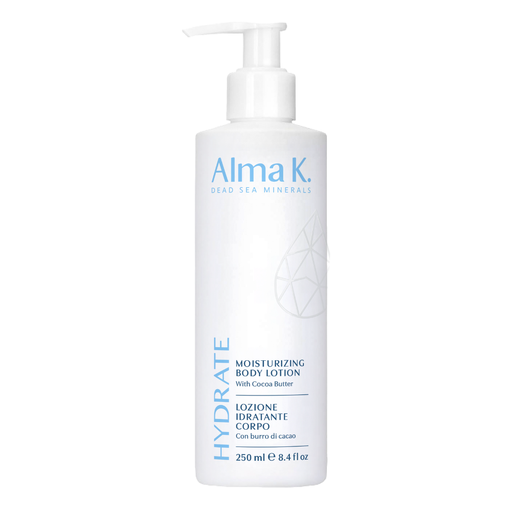
Why it's a match: Ideal for users seeking a reliable, lightweight, and fast-absorbing lotion for daily use after showering. The subtle scent of white tea and neroli provides a fresh feeling.
The formula is designed as a lightweight body lotion that absorbs quickly without leaving a greasy film. It relies on the synergy of Dead Sea minerals, aloe vera, and a blend of argan, borage, and jojoba oils.
Provides balanced care through the combination of humectants and nourishing oils. The Alma K body care line is known for its mineral-rich formulations.
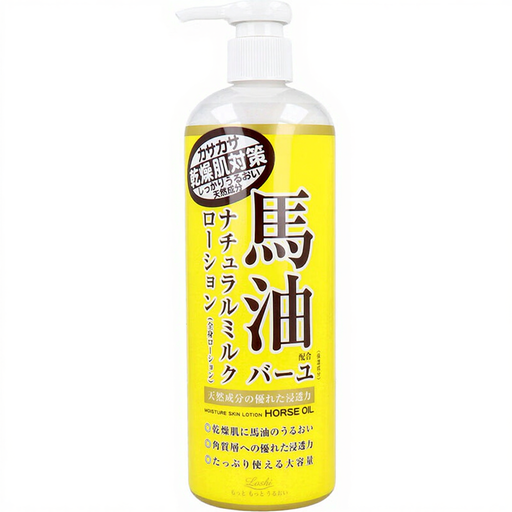
Why it's a match: For those whose skin needs intensive nourishment, especially during the dry autumn and winter months or for chronically rough areas like elbows and knees.
Although horse oil is the main active ingredient, it is incorporated into a non-greasy texture that absorbs well. The formula focuses on repairing rough skin and delivers tangible results instead of empty promises.
The high content of unsaturated fatty acids and Vitamin E in the horse oil makes this lotion an effective body lotion for rough skin and flaky patches.
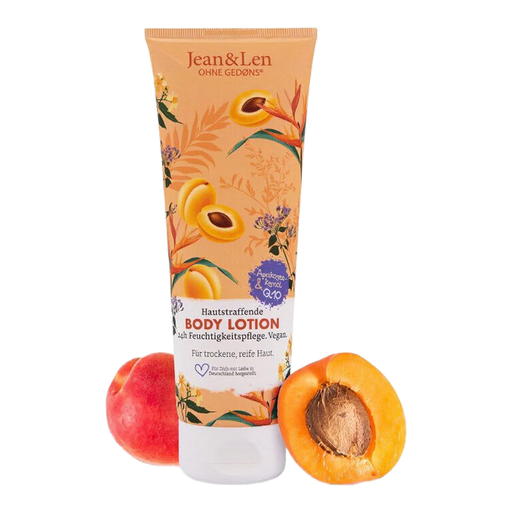
Why it's a match: For users who are not only looking for moisture but also want to support their skin's elasticity. Specially developed for dry and mature skin.
The lotion makes a clear performance promise (firming) and combines coenzyme Q10 with nourishing apricot kernel oil to deliver it. The formula is transparent and is free from parabens, silicones, and mineral oil.
The combination of moisturizing and firming active ingredients offers added value beyond basic hydration and improves the skin's appearance.
We've curated a comprehensive, up-to-date list of products that meet these strict selection criteria.
1. When is the best time to apply body lotion? The ideal time is right after showering or bathing. Apply the lotion to slightly damp skin. This helps to lock in moisture more effectively and allows the lotion to absorb better.
2. Can I use body lotion on my face? It's generally not recommended. The skin on your face is thinner and more sensitive than the skin on your body. Body lotions are often richer and may contain fragrances that could lead to irritation or breakouts on the face. Use a moisturizer specifically designed for your face.
3. How much body lotion should I use? A hazelnut to walnut-sized amount per body part (e.g., per arm or leg) is usually sufficient. The goal is to cover the skin completely without leaving a thick, unabsorbed layer. Adjust the amount based on your skin's needs—very dry areas may require a bit more product.