
Lieferung heute & morgen

Qualitätsgarantie

Willkommens-Angebote freischalten: KOSTENLOSE Lieferung | Bis zu 80 % RABATT | Kostenlose 30-Tage-JoyPlus-Testphase
App herunterladen
The aroma of freshly baked bread is unbeatable. But the final result depends not only on the recipe but crucially on the bread pan you use. An unsuitable pan can cause the bread to stick, brown unevenly, or prevent the crust from forming properly.
This article serves as your guide. It explains the essential features of bread pans and presents a selection of different models to help you choose the right product for your needs.
The variety of pans is vast. To make the right choice, three criteria are particularly important: the material, the size, and special features like a non-stick coating or a lid.
The material affects heat conduction, durability, and how easy the pan is to clean.
The shape and size determine the appearance and texture of your bread.
Based on the criteria mentioned, we have curated a selection of pans suitable for various baking projects.
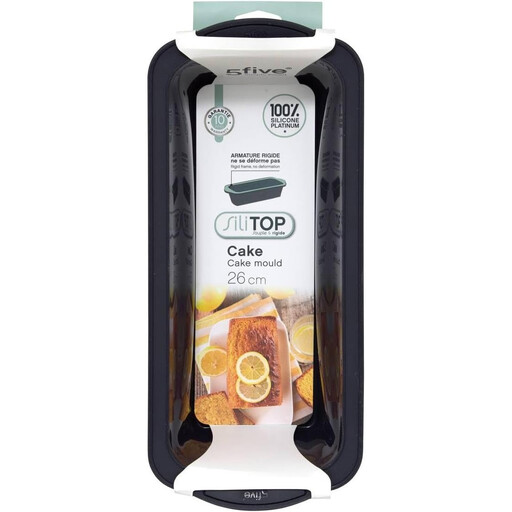
Why it stands out: This model combines the flexibility of silicone with the stability of an integrated steel frame. This hybrid design prevents the pan from warping when filled or during baking, while retaining all the benefits of silicone.
Benefits:
Who is it for? For home bakers who want an easy-to-clean and flexible silicone baking pan but don't want to sacrifice the stability of a traditional metal pan. It works equally well as a cake pan.

Why it stands out: This Pullman loaf pan is specifically designed for baking sandwich loaves and comes with a matching lid. Its construction is engineered to produce perfectly shaped toast with a fine crumb.
Benefits:
Who is it for? For anyone who wants to bake American-style sandwich bread, brioche, or classic white bread with a soft crumb and a characteristic square shape.

Why it stands out: This model from Kaiser is distinguished by its robust construction and high-quality materials. The base features a cut- and scratch-resistant enamel layer, while the sides have a dual ceramic non-stick coating. According to the manufacturer, the pan is acid-resistant.
Benefits:
Who is it for? For ambitious bakers who bake regularly, especially with demanding doughs like sourdough. The sturdy construction and premium coatings are designed for a long service life.
The models presented cover common use cases. If you are looking for more specialized pans or wish to compare a wider range of materials and sizes, you can find additional options in our product category.
Discover more non-stick Pullman loaf pans
For most everyday breads and cakes, a non-stick loaf pan made of steel is a great choice. For exceptionally easy handling and cleaning, a silicone baking pan is ideal. If you frequently work with sourdough, you should consider a pan with an acid-resistant coating, such as enameled steel.
A lid is useful when you want to bake a bread with a very uniform, square shape and a soft, moist crumb, as is the case with a Pullman loaf pan. For rustic breads with a thick, split crust, you bake without a lid to allow steam to escape and the crust to fully develop.
To maximize the lifespan of the non-stick coating, the pan should be washed by hand with a soft sponge and mild dish soap. Avoid using metal utensils, knives, or abrasive sponges inside the pan, as these can damage the coating.