
Lieferung heute & morgen

Qualitätsgarantie

Willkommens-Angebote freischalten: KOSTENLOSE Lieferung | Bis zu 80 % RABATT | Kostenlose 30-Tage-JoyPlus-Testphase
App herunterladen
Whether you're at the gym, in the office, or enjoying your downtime, damp, unpleasantly odorous feet are a common problem. The culprit is often the wrong choice of socks. The market for performance socks is vast, but not every product delivers on its promises. This guide will help you identify the crucial features and find the right breathable socks for your needs, without falling for empty marketing hype.
Many buyers rely on outdated assumptions or are fooled by clever marketing. Here are three typical pitfalls that lead to discomfort and unnecessary expense:
To avoid a bad purchase, you should focus on three objective criteria. These are the key determinants of comfort, durability, and functionality.
The right blend of materials is crucial for moisture management. Instead of relying on a single material, high-quality socks combine different fibers to leverage their respective strengths:
A well-thought-out design prevents pressure points and offers targeted support, which is especially important for men's sports socks and running socks.
If you are specifically looking for antibacterial socks, pay attention to concrete manufacturer claims. Reputable brands specify which technology they use (e.g., yarns treated with silver ions) and can ideally back this up with data. For example, the manufacturer Li-Ning states for some of its products that a high efficacy against bacteria like Staphylococcus aureus is achieved. This is a clear quality indicator compared to vague advertising promises.
Based on these objective criteria, we have selected a few products for different user groups.
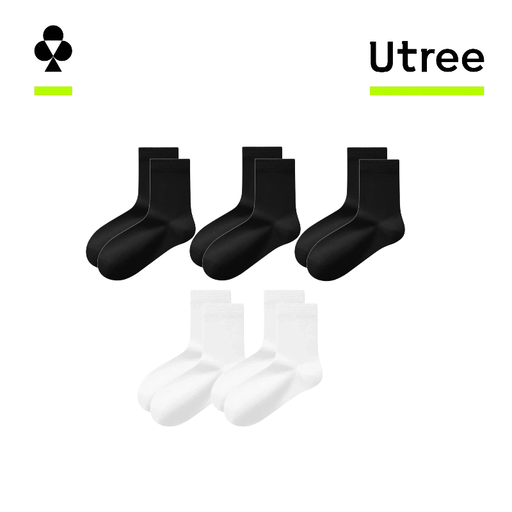
Why this product fits: Ideal for professionals who spend all day in leather shoes. These Business Socks combine a classic look with functional features for lasting comfort throughout the workday.
Instead of a vague promise, the manufacturer provides a specific claim about its antibacterial performance (10A standard). The seamless toe and 3D heel cup address the problem of poor construction.
The use of Xinjiang long-staple cotton offers higher breathability than conventional cotton. The high-elasticity cuff prevents digging in and slipping.
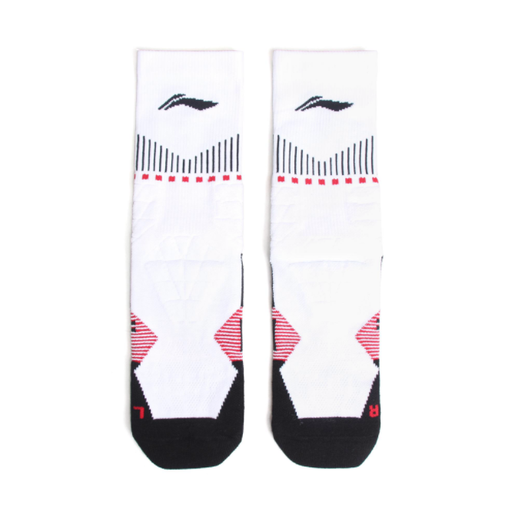
Why this product fits: These mid-calf socks are designed for high-intensity sports like basketball. They offer a secure fit and advanced textile technology for maximum performance.
This product debunks the pitfall of vague advertising with concrete data on its antibacterial effect (e.g., Staphylococcus aureus ≥99.4%, according to the manufacturer). The material blend of polyester and elastane bypasses the disadvantages of pure cotton.
The combination of an elastic, non-constricting cuff and a durable material blend ensures a secure fit and longevity, even during rapid changes in direction.
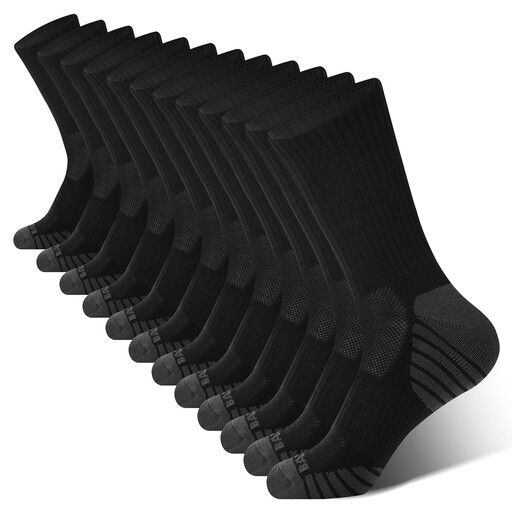
Why this product fits: Perfect for anyone who spends long hours on their feet, whether hiking, working, or at the gym. The clear focus here is on cushioning and support to reduce foot fatigue.
These socks avoid the pitfall of poor construction with a specifically reinforced heel and toe for greater durability, as well as a cushioned sole for shock absorption.
The integrated arch support helps to stabilize foot posture and reduce signs of fatigue during long activities. The moisture-wicking material ensures lasting comfort.
We have compiled a complete, up-to-date list of products that fully meet these strict selection criteria and applicable regulations.
For optimal hygiene and to prevent bacterial and fungal growth, sports socks should be changed and washed after every use. Sweat and dead skin cells create an ideal breeding ground for microorganisms.
A material blend is usually more effective than a single fabric. The combination of moisture-wicking synthetic fibers like polyester and odor-resistant, breathable natural fibers like merino wool or bamboo viscose offers a great balance for a dry and fresh foot climate. Pure cotton is less suitable.
Yes, that's possible. However, make sure your shoes have enough room. Heavily cushioned socks can reduce the volume inside the shoe and lead to a tight fit. Models with targeted cushioning only at the heel and ball of the foot are often a good choice as they don't add excessive bulk.