
Lieferung heute & morgen

Qualitätsgarantie

Willkommens-Angebote freischalten: KOSTENLOSE Lieferung | Bis zu 80 % RABATT | Kostenlose 30-Tage-JoyPlus-Testphase
App herunterladen
As an alternative to conventional wheat noodles, buckwheat noodles are steadily gaining popularity. They are a staple in many Asian dishes, offering a nutty flavour profile and a firm texture. However, if you're looking to buy buckwheat noodles, you'll often face a vast selection with varying compositions and characteristics.
This guide provides objective criteria to help you find the perfect noodles for your needs—whether for a comforting soup, a light salad, or a quick stir-fry.
To make an informed decision, it's important to consider a few key product features. The following points will help you understand the differences between the available options.
The percentage of buckwheat flour is a crucial factor that influences the noodles' flavour, colour, and nutritional profile.
The production method has a direct impact on cooking properties and mouthfeel. Most commercially available products are dried soba noodles, but even here, there are differences.
Consider which dishes you plan to use the noodles for.
Based on objective product features, we have curated a selection of buckwheat noodles that cater to different needs and flavour preferences.
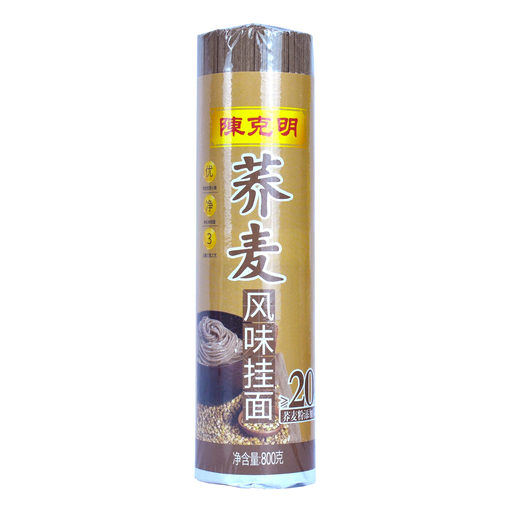
Why It Stands Out These noodles offer a balanced blend of wheat and buckwheat flour. With a buckwheat content of ≥20% and the addition of 3% yam flour, they have a mild, nutty flavour and a smooth, firm texture.
Pros
Best For These noodles are an excellent choice for households looking for a versatile, all-purpose noodle for soups, stir-fries, and cold noodle salads, and who prefer a milder buckwheat taste.
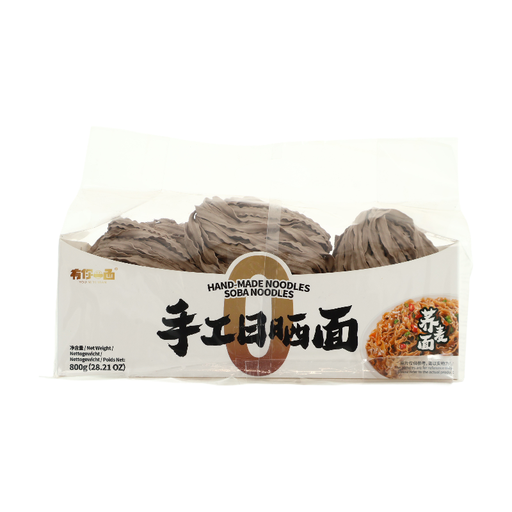
Why It Stands Out These soba noodles are artisanally crafted using traditional methods and are sun-dried. This process gives them an exceptionally firm and chewy texture.
Pros
Best For Ideal for fans of Asian noodles who love a distinctly chewy texture and appreciate traditional production methods. They are perfect for dishes where the noodle texture is the star.
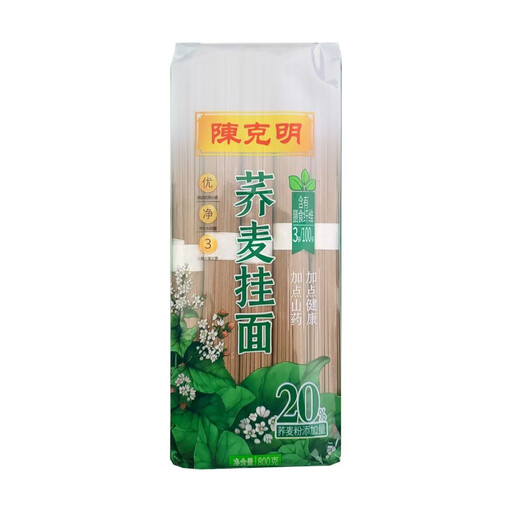
Why It Stands Out With a buckwheat content of ≥50%, these noodles deliver an intense and authentic flavour experience. They are the right choice for anyone who appreciates the bold, nutty character of buckwheat.
Pros
Best For These noodles are aimed at health-conscious consumers and seasoned connoisseurs of Asian cuisine who prefer a pronounced buckwheat flavour.
The products featured here cover a wide range of options. However, if you are looking for different varieties or pack sizes, you can find more products in our category.
? Explore our entire selection of 800g noodles here.
1. What is the difference between buckwheat noodles and soba noodles? The term "soba" is the Japanese word for buckwheat. Therefore, soba noodles are essentially buckwheat noodles. In practice, the term often refers to Japanese-style noodles that contain a blend of buckwheat and wheat flour. The buckwheat content can vary significantly.
2. Do buckwheat noodles contain gluten? That depends on the composition. Most commercially available buckwheat noodles, including those featured here, are a blend of buckwheat and wheat flour and therefore contain gluten. Products made from 100% buckwheat flour are gluten-free but have a different, often more brittle texture and are less common. Always read the ingredient list on the packaging.
3. How do you cook buckwheat noodles so they don't stick together? Use a large pot with plenty of boiling water. Add the noodles and stir occasionally to prevent them from sticking to the bottom of the pot. Cook them according to the package directions until they reach the desired firmness. After draining, especially if using them for cold dishes, you can rinse the noodles briefly under cold water to remove excess starch and prevent sticking.