Finding the right Cabernet Sauvignon can be a challenge given the vast array of online options. Many wine drinkers want to stock up on their favourite wine, for instance in a convenient case of 6 red wines, but are unsure which product offers the best value for money. This guide is designed to give you clear direction. We will provide objective criteria for your selection and present a range of wines that stand out for their unique qualities.
Shopping Guide: What to Look for When Buying Cabernet Sauvignon
Three key aspects will help you make a well-informed decision: the wine's origin, its maturation style, and the case size.
1. Origin: Old World vs. New World
The geographical origin significantly shapes the character of a Cabernet Sauvignon.
- Old World (e.g., France): Wines from traditional European growing regions like Bordeaux are often distinguished by a firmer structure, earthy notes, and prominent acidity. They are typically more restrained in their fruit profile and often develop their complexity only after some time in the cellar.
- New World (e.g., South Africa, USA, Chile): A South African Cabernet Sauvignon or one from California is typically more fruit-forward, opulent, and approachable in its youth. Aromas of ripe dark fruits like blackcurrant and cherry are at the forefront, often accompanied by a softer tannin structure.
2. Maturation Style: The Influence of Oak and Steel
The ageing process after fermentation is crucial for the final flavour profile.
- Aged in Stainless Steel: This method preserves the wine's primary fruit aromas. The result is a fresh, fruity, and often straightforward dry Cabernet Sauvignon.
- Aged in Oak Barrels (Barrique): Ageing in oak barrels lends additional complexity to the wine. Depending on the type of wood (e.g., French or American oak) and how many times the barrel has been used, notes of vanilla, toast, spice, or smoke can develop. A robust red wine often benefits from this method, as it softens the tannins.
3. Case Size: The Red Wine Case as a Practical Option
For enthusiasts who have found their preferred wine, buying by the case is an option worth considering. A red wine case with six bottles not only offers a price advantage over buying single bottles but also ensures that a supply is always on hand for social evenings or to pair with various meals. Look out for special offers on wine to further optimise value for money.
Discover Our Cabernet Sauvignon
Based on the criteria mentioned, we have compiled a selection of wines with different characteristics.
1. MAN Cabernet Sauvignon Ou Kalant 6x0.75 L, 2023
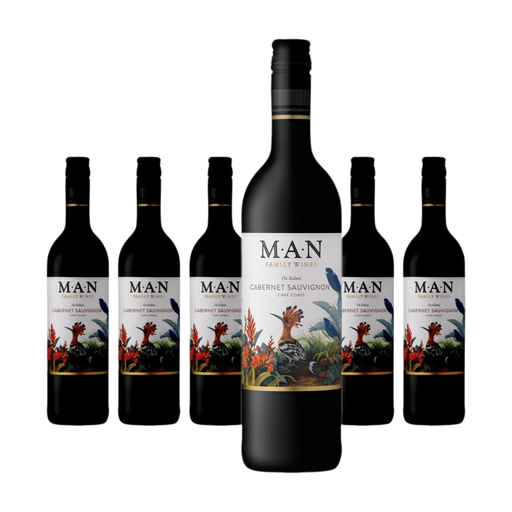
This wine from South Africa's Western Cape combines New World fruit with Old World elegance.
- Why it stands out: The unique maturation method, where only a small portion (5%) is aged in new American barriques, while the majority matures in older barrels and wooden tanks. This imparts a subtle oak note without overpowering the fruit.
- Highlights:
- Flavour Profile: Approachable and balanced with an alcohol content of 13.5% ABV and a residual sugar of 4 g/L, classifying it as dry.
- Food Pairing: Pairs well with dishes featuring rosemary, poultry, and dark meats.
- Format: Delivered directly in a practical case of 6 red wines.
- Who it's for: For wine drinkers looking for a straightforward yet characterful South African Cabernet Sauvignon for everyday enjoyment or social gatherings.
2. Gerard Bertrand Cabernet Sauvignon Heritage 6x0.75 L
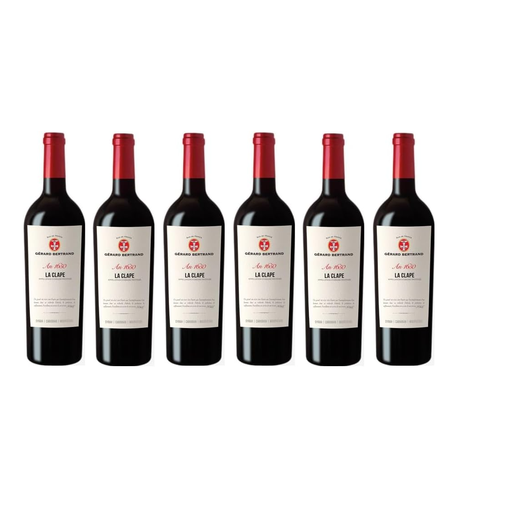
A classic example from France by a winemaker renowned for his commitment to biodynamic viticulture.
- Why it stands out: Gérard Bertrand was awarded the "Green Emblem" by Robert Parker, a recognition of his commitment to sustainability. The wine has the organic certification number FR-BIO-1.
- Highlights:
- Origin: An authentic Cabernet Sauvignon from the South of France that reflects the values of traditional winemaking.
- Practicality: Equipped with a screw cap for easy opening without a corkscrew.
- Style: Represents the classic, structured style of the Old World.
- Who it's for: For price-conscious and eco-conscious connoisseurs who prefer a European, organically certified Cabernet Sauvignon with a clear sense of origin.
3. Gnarly Head Cabernet Sauvignon 0.7 L
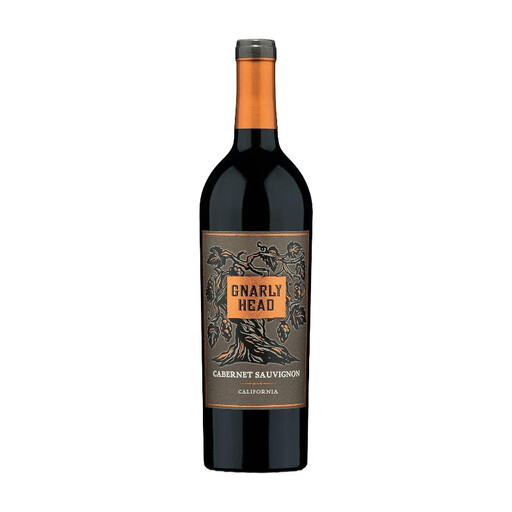
This Californian wine from Lodi embodies the power of old vines ("Gnarly Head") combined with modern cellar techniques.
- Why it stands out: The combination of ageing in American and French oak barrels as well as in stainless steel tanks. This technique aims to integrate both complex barrel notes and fresh fruit aromas.
- Highlights:
- Aromatics: An intense profile with notes of black cherry, blackberry, black pepper, and violet.
- Structure: A dark, robust red wine with firm tannins and a long finish.
- Food Pairing: Ideal with grilled lamb skewers, strong cheeses, or spaghetti bolognese.
- Who it's for: For explorers who want to try a powerful and aromatically dense Cabernet Sauvignon from the New World. The 0.7 L bottle is perfect for a first taste before committing to a larger quantity.
Looking for more options?
Was the right wine for you not among our selection? No problem. Discover our entire range and find more offers.
? Browse all Cabernet Sauvignon red wines here
Frequently Asked Questions
1. What foods pair with Cabernet Sauvignon?
With its robust tannins and aromas, Cabernet Sauvignon is a classic companion for intensely flavoured dishes. It pairs especially well with grilled or roasted red meats like beef steak, rack of lamb, or game dishes. It is also a great choice with strong cheeses or pasta with rich meat sauces.
2. How long can you age Cabernet Sauvignon?
The ageing potential depends heavily on the quality, vintage, and maturation style. Simpler, fruit-forward wines are meant to be enjoyed within 2-5 years. High-quality, structured wines, especially those from good vintages and with barrique ageing, can often mature for 10 years or more, gaining complexity in the process. Cool, dark, and horizontal storage is a prerequisite for this.
3. Is Cabernet Sauvignon always dry?
The vast majority of Cabernet Sauvignon wines are vinified dry. In Germany, a wine is considered dry if its residual sugar content does not exceed 9 grams per litre. Most wines from this grape variety fall well below this level, presenting a distinct structure and no perceptible sweetness. Off-dry or sweet versions are rare.


