
Lieferung heute & morgen

Qualitätsgarantie

Willkommens-Angebote freischalten: KOSTENLOSE Lieferung | Bis zu 80 % RABATT | Kostenlose 30-Tage-JoyPlus-Testphase
App herunterladen
Rough skin, hardened patches, and cracked heels can not only affect the appearance of your feet but also cause discomfort. Callus remover socks, also known as foot peel masks, offer an at-home treatment to remove calluses and promote a smoother skin texture. However, the market is flooded with a variety of products whose promises and results vary widely. An informed choice is crucial to avoid disappointment and achieve the desired outcome.
This guide highlights the most common pitfalls when buying and explains the essential parameters you should check before making a decision.
Many products promise quick and easy results, but not all deliver. Pay attention to these three common issues to avoid a poor investment:
To find the right foot peel mask, you should focus on objective criteria. The following three parameters are crucial for the product's function and tolerability.
The basis of most callus remover socks is a solution of Alpha-Hydroxy Acids (AHA) or Beta-Hydroxy Acids (BHA).
The application duration and the subsequent process are important indicators of a product's effectiveness.
The post-peel phase is crucial for a long-lasting result. A good foot mask should contain ingredients that protect and nourish the new skin, or the application should be supplemented with appropriate care for cracked heels and dry skin. Ingredients like Horse Oil, Shea Butter, or Ceramides are known for their highly nourishing and regenerative properties. They help to strengthen the skin barrier and keep the feet supple.
Based on the criteria mentioned, we have compiled products for various user profiles and needs.
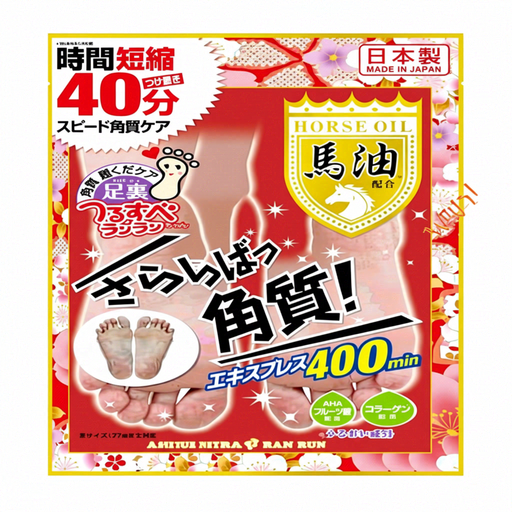
Why this product is a good fit: Ideal for users looking for an intensive one-time treatment with a visible peeling effect. The express formula, with an application time of just 40 minutes, is particularly convenient for a busy schedule and embodies the modern Japanese foot care approach.
The product addresses the pitfall of an “unbalanced formula.” It combines an effective AHA blend with nourishing horse oil, which, according to the manufacturer, penetrates deep into the skin and protects it from drying out during the peeling process.
The short 40-minute application time and the combination of exfoliating acids and intensely moisturizing horse oil for subsequent care.
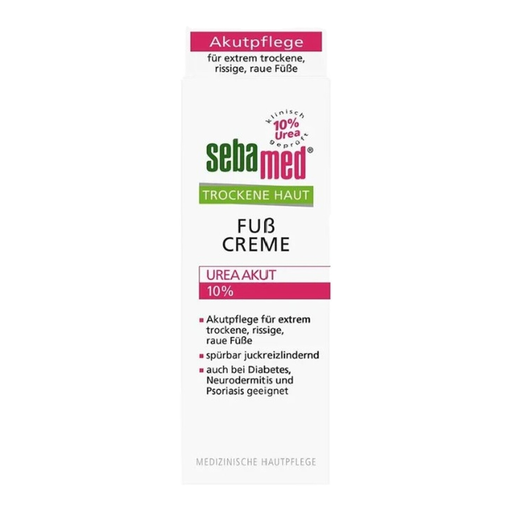
Why this product is a good fit: For users who prefer a daily care routine over an intensive peel, or who want to maintain soft feet after a peeling treatment. Suitable for very dry skin that requires constant hydration.
This product is the direct answer to the “lack of aftercare” pitfall. With 10% urea, it delivers highly concentrated moisture to keep the skin supple and prevent new callus formation.
The high concentration of 10% Urea provides intensive moisture. According to the manufacturer, the cream is also suitable for foot care for those with diabetes, neurodermatitis, and psoriasis.
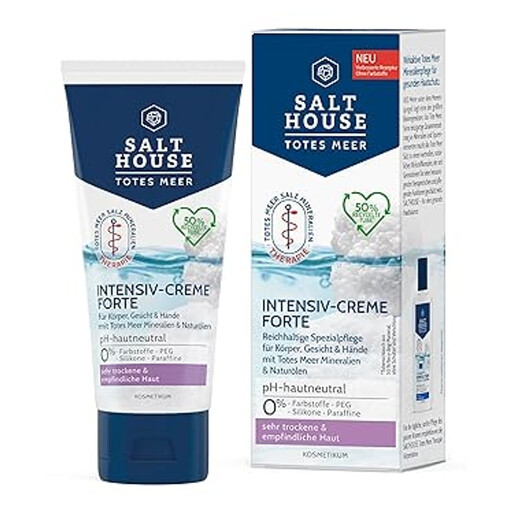
Why this product is a good fit: For users who want to treat extremely rough or cracked areas, such as the heels, instead of using a full foot mask. A concentrated treatment for particularly stressed skin areas.
This product avoids the pitfall of “misleading efficacy claims.” It is not a peeling mask but a rich cream designed as a “rescue effect” for stressed skin, specifically targeting and smoothing rough textures.
The concentrated formula combines mineral-rich salt from the Dead Sea with nourishing shea butter and coconut oil to support cell renewal and smooth rough skin.
We have compiled a complete, up-to-date list of products that fully meet these strict selection criteria and applicable regulations.
The frequency of use depends on individual callus formation. Generally, it is recommended not to perform an intensive peeling treatment more often than every 2 to 3 months to give the skin enough time to regenerate. In between treatments, daily care with a moisturizing foot cream is advisable.
No, the process should be completely painless. The dead skin layers slough off naturally, similar to a mild sunburn. It is important not to forcibly pull off the peeling skin, as this could irritate or injure the sensitive new layer of skin underneath.
A foot peel mask (callus remover sock) is an intensive treatment designed to chemically exfoliate dead skin layers using acids. The result is a visible peeling process. A foot cream, on the other hand, is designed for daily maintenance. It provides moisture, keeps the skin supple, and helps prevent new callus formation, but it does not remove thick layers of calluses.