
Lieferung heute & morgen

Qualitätsgarantie

Willkommens-Angebote freischalten: KOSTENLOSE Lieferung | Bis zu 80 % RABATT | Kostenlose 30-Tage-JoyPlus-Testphase
App herunterladen
A good camp bed is more than just a makeshift place to sleep. Whether for camping, as a flexible folding guest bed, or as a relaxing camping lounger in the garden, it provides comfort and protection from cold ground and uneven surfaces. However, the market is flooded with models whose weaknesses often only become apparent after purchase. Many products overpromise and underdeliver, leading to disappointment. This guide will show you what to look for to make an informed decision and avoid typical purchase mistakes.
Before we dive into the key features, let's highlight the three most common problems found in low-quality models. Knowing these is the first step toward making a better choice.
To avoid the problems mentioned above, you should carefully examine three core areas before buying. These objective criteria will help you assess the quality of a camp bed, independent of marketing promises.
The frame is the skeleton of the camp bed and is crucial for its stability and longevity. Pay attention to the following details:
The right dimensions are crucial for comfort and functionality.
The sleeping surface is the primary determinant of your sleep comfort.
Based on the criteria above, we have identified several models that offer a compelling solution for specific user profiles.

Why This Fits Their Persona: Ideal for taller or heavier individuals, as well as anyone who refuses to compromise on stability. Its generous dimensions and high weight capacity make it a reliable companion for camping, as a fishing bed, or as a sturdy guest bed.
The construction with 22 mm steel tubes and an X-frame directly addresses the problem of unstable frames. The stated 200 kg weight capacity provides a high safety margin and avoids the trap of misleading specifications.
High weight capacity of up to 200 kg and an extra-large sleeping surface (213 x 79 cm). The 50 cm height ensures comfort and distance from the ground.

Why This Fits Their Persona: Perfect for users who prioritise low weight and a small pack size, such as for hiking, cycling tours, or festivals. It's a straightforward and easy-to-transport sleeping solution.
This model solves the problem of bulky and heavy camp beds. The aluminium frame makes it extremely lightweight without compromising on core functionality. It is a true folding camp bed.
Very low weight of just 3.5 kg and a compact aluminium frame for maximum portability. Quick and easy to set up.
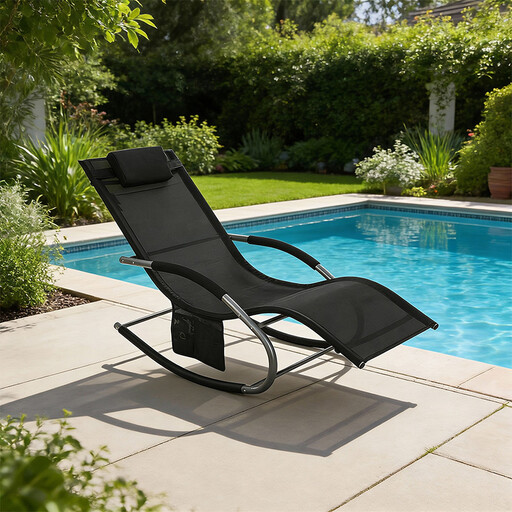
Why This Fits Their Persona: For anyone looking for a high-quality sun lounger for the garden, patio, or balcony. The focus here is clearly on relaxation and comfort, rather than mobile camping use.
This model avoids the sagging trap with an ergonomically shaped frame and a breathable, shape-retaining Textilene fabric. The powder-coated steel frame is designed for durability outdoors.
Ergonomic zero-gravity shape for a pressure-relieving lying position. Includes a headrest and side pocket for added comfort.
We have compiled a complete, up-to-date list of products that fully meet these strict selection criteria and all applicable safety regulations.
The specified maximum weight capacity should be understood as an upper limit. For a long lifespan and for safety, it is advisable to choose a model whose capacity is significantly (at least 20-30%) higher than the user's weight. The construction, especially an X-frame made of steel, is often a better indicator of actual stability than the kilogram figure alone.
Both have their pros and cons. A camp bed offers an elevated, well-ventilated sleeping surface, is robust, and quick to set up. It protects you from ground cold, moisture, and uneven terrain. An air mattress can provide a softer feel but is susceptible to punctures, requires a pump, and can lose air overnight. Furthermore, it offers little insulation from the cold ground below. The choice depends on your personal priorities: robustness and distance from the ground (camp bed) or a mattress-like feel (air mattress).
Care is straightforward. Clean the sleeping surface as needed with a damp cloth and mild soapy water. Do not machine wash the cover. Allow the bed to dry completely before storing it in its carry bag to prevent mould growth. Store it in a dry place and occasionally check that the joints and screw connections are tight.