
Lieferung heute & morgen

Qualitätsgarantie

Willkommens-Angebote freischalten: KOSTENLOSE Lieferung | Bis zu 80 % RABATT | Kostenlose 30-Tage-JoyPlus-Testphase
App herunterladen
A good camping chair is more than just a place to sit. It's your front-row seat at the campfire, a comfortable base for a day of fishing, or a well-deserved oasis of calm after a long hike. But the market is crowded, and many models promise more than they deliver. A flimsy folding chair that gives up the ghost after its second festival, or a supposedly lightweight model that turns out to be cumbersome dead weight, are frustrating and unnecessary expenses.
As your Joybuy Product Recommendation Officer, I'll help you recognise the common pitfalls and make an informed decision. We'll focus on the facts that truly matter, so you can find a product that meets your needs.
Many buyers are swayed by marketing claims that often don't hold up in practice. Pay close attention to these three points to avoid a bad purchase:
To separate the wheat from the chaff, you should focus on objective, technical features. These three parameters are crucial for the durability and functionality of your chair.
The true stability of a camping chair depends on the combination of material and construction.
A lightweight folding chair isn't always the right choice. The key is to find the perfect trade-off for your intended use.
Comfort is determined by the interplay of several factors.
Based on the criteria above, we have selected a few products for different user profiles.
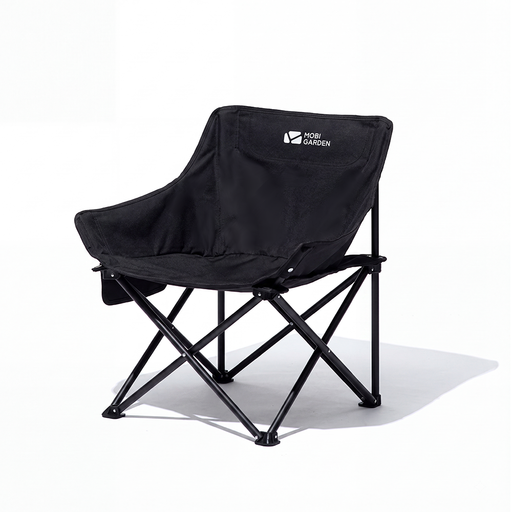
Why This Fits Their Persona: Ideal for users looking for a reliable chair for various activities like camping, fishing, or picnics. It offers a good balance of comfort, stability, and portability without specialising in one extreme feature.
The X-shaped cross-structure, made from carbon steel with a corrosion-resistant coating, counters the pitfall of an unstable design. The U-shaped, padded seat shell prevents uncomfortable sagging.
Wide seat (64.5 cm) for high comfort; Convenient side pocket for essentials; Good balance of weight (approx. 2.35 kg) and stability (up to 100 kg).
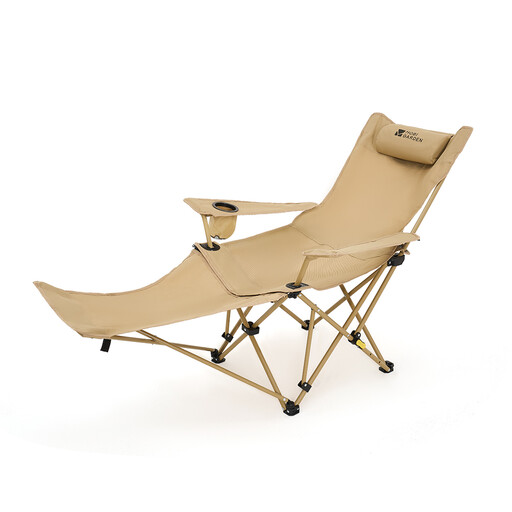
Why This Fits Their Persona: Perfect for campers who spend extended time outdoors and want maximum comfort. The adjustable reclining function makes it the ideal choice for relaxing afternoons at the campsite, on the beach, or even on the balcony.
This model avoids the ergonomics trap with a thoughtful design that supports the head, neck, back, and legs. The multi-level adjustable position allows for individual customisation and prevents an uncomfortable posture.
Multi-level adjustable backrest up to a reclining position; High load capacity (approx. 110 kg) thanks to a reinforced steel frame; Includes a detachable head pillow and cup holder.
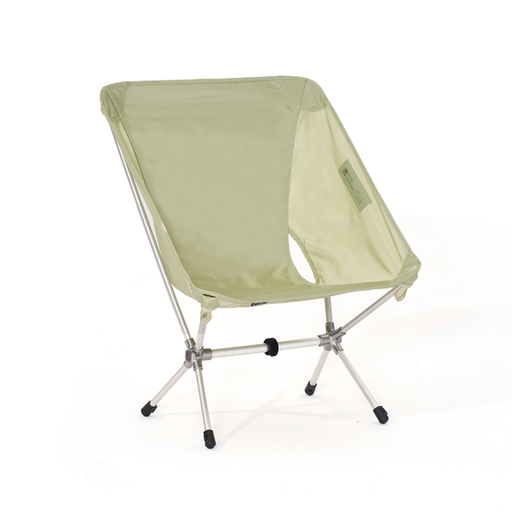
Why This Fits Their Persona: For backpackers, hikers, and cycle tourers for whom every gram counts. This chair provides a place to sit for a break without adding significant weight or taking up much space in a backpack.
It refutes the assumption that "lightweight" also means "unstable." By using an aerospace-grade aluminum alloy and a stable triangular frame structure, it achieves a high load capacity of approx. 140 kg with minimal weight.
Extremely low weight (approx. 765 g) and very small packed size (approx. 36 cm length); Quick setup via a plug-in system; High static load capacity of approx. 140 kg.
We have compiled a complete, up-to-date list of products that fully meet these strict selection criteria and applicable safety regulations.
Clean the chair after each use, especially the frame and plastic parts, to remove dirt, sand, or salt deposits. A damp cloth is usually sufficient for this. Do not use aggressive chemical cleaners. Let the chair air dry completely before storing it in its carry bag to prevent mold and corrosion on the frame.
The static load capacity indicates the maximum weight the chair can support on a flat, solid surface when the load is applied calmly and evenly. It is a laboratory value and should not be confused with dynamic load, which occurs, for example, from plopping down or rocking in the chair. For safety, your body weight should always be well below the specified maximum static load capacity.
There is no one-size-fits-all answer; it depends on the application. Steel is very robust and less expensive, but heavier. It is well-suited for car camping or use in the garden, where weight is a secondary concern. Aluminum is the choice for anyone who needs low weight and high portability, such as hikers or cycle tourers. It is more expensive but rust-proof and allows for extremely lightweight designs.