
Lieferung heute & morgen

Qualitätsgarantie

Willkommens-Angebote freischalten: KOSTENLOSE Lieferung | Bis zu 80 % RABATT | Kostenlose 30-Tage-JoyPlus-Testphase
App herunterladen
By a Joybuy Product Recommendation Officer, July 28, 2026
The freedom to camp year-round or enjoy cozy evenings in the garden is an appealing thought. But chilly nights can quickly limit your comfort. The right heating solution is therefore crucial. The market offers a wealth of options, from diesel parking heaters to decorative fire pits. However, this variety often leads to purchasing decisions that later prove to be impractical or expensive.
Many buyers focus on the initial purchase price or marketing promises without considering the technical realities and hidden running costs. Before you make a decision, it's important to understand the most common pitfalls that can severely compromise a device's usefulness.
To make an informed decision that fits your needs, you should focus on objective technical features. These three core parameters are crucial for the performance, safety, and efficiency of your camping heater.
The choice of energy source determines the possible applications, operating costs, and maintenance requirements.
Safety is non-negotiable. Look for the following integrated protection mechanisms, which are essential for any RV heating accessory:
The heating output, usually specified in kilowatts (kW) or BTU, must match the volume of the space to be heated.
Instead of making a blanket recommendation, we have identified products that are precisely tailored to different user profiles and their requirements.
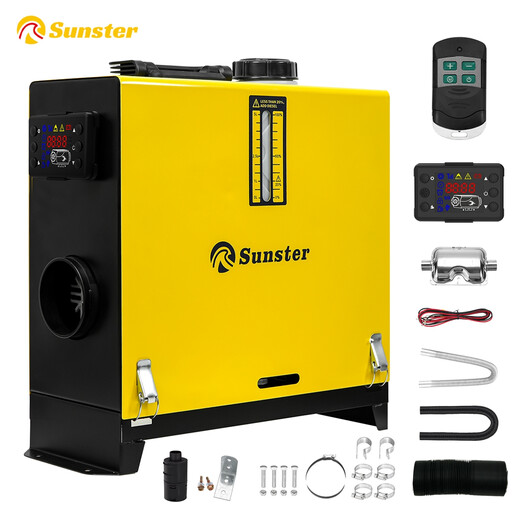
Why This Fits Their Persona: Ideal for users who need a powerful and off-grid heating solution for their RV, truck, or workshop. The high heat output is also suitable for larger vehicles and colder climates.
The all-in-one design integrates the tank, pump, and heating unit, which simplifies installation and reduces the risk of hidden costs for additional components. The clear consumption figures (0.11-0.45 L/H) allow for precise planning of operating costs.
High heating output of up to 8 kW, suitable for operation at altitudes up to 3000 m. Control via LCD display and remote control for high convenience.
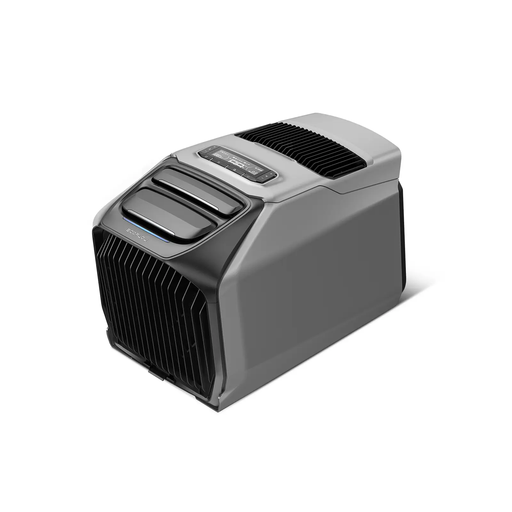
Why This Fits Their Persona: Perfect for travelers in RVs or SUVs who are looking for a flexible all-in-one solution for heating and cooling. The battery-powered option offers maximum flexibility for various locations.
This air conditioner with a heating function eliminates the need to buy two separate devices. The specified battery life (up to 8 hours with an add-on battery) and multiple charging options (including solar) set realistic expectations for mobile use and avoid the consumption trap.
Combined cooling (1800 W) and heating (2000 W) functions in one compact device. App control and a quiet operating mode (44 dB) ensure high user comfort.
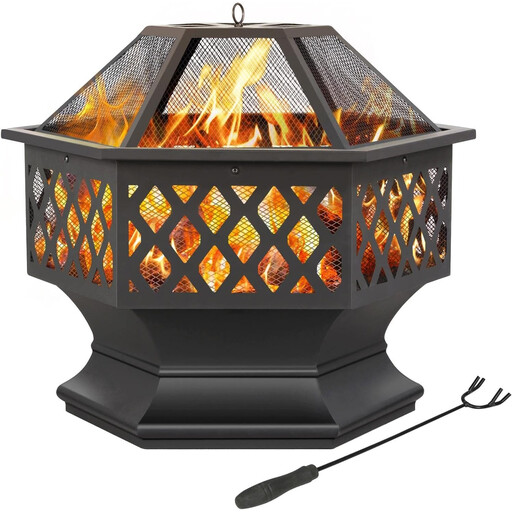
Why This Fits Their Persona: Creates a warm and inviting atmosphere for social gatherings in the garden, on the patio, or while camping outdoors. The focus is on ambiance and shared experience.
As a dedicated outdoor fire pit, this product avoids the significant safety risks that arise from improper use of heaters indoors. The robust metal construction is designed for durability in outdoor use, not for complex electronics that could fail.
The hexagonal design with mesh sides ensures optimal air circulation and 360-degree heat radiation. The included spark screen increases safety by containing sparks and embers.
We have compiled a complete, up-to-date list of products that fully meet these strict selection criteria and German safety regulations.
1. How safe is a diesel parking heater in an RV? A diesel parking heater is very safe when installed correctly. It is crucial that the exhaust system is completely sealed and that the exhaust gases are fully vented to the outside. The intake air for combustion must also come from outside. The installation should strictly follow the manufacturer's instructions. An additional CO detector inside the vehicle is strongly recommended to maximize safety.
2. How much power does an electric camping heater use? Power consumption depends on the wattage. A small 12V heater with 150 W will draw about 12.5 amps (A) at 12 V. A powerful 230 V heater with 2000 W (2 kW) will draw about 8.7 A from an appropriate power source. Check the capacity of your battery or power station (in amp-hours, Ah) and its maximum load capacity to calculate the approximate runtime.
3. Can I use a fire pit in a tent awning? No, absolutely not. A garden fire pit or any other type of outdoor fire pit produces an open flame and emits carbon monoxide (CO), an odorless and colorless but deadly gas. It must only be operated outdoors with sufficient distance from flammable materials such as tent walls, vehicles, or buildings. A tent awning is considered an enclosed space, where its use is life-threatening.