
Lieferung heute & morgen

Qualitätsgarantie

Willkommens-Angebote freischalten: KOSTENLOSE Lieferung | Bis zu 80 % RABATT | Kostenlose 30-Tage-JoyPlus-Testphase
App herunterladen
Choosing a new camping tent can quickly become overwhelming. Manufacturers advertise technical specs that often raise more questions than they answer. However, an unsuitable tent can ruin a trip or turn out to be a poor investment. Before you make a decision, it's helpful to know the most common pitfalls that lead to disappointment.
Many buyers focus on a single, prominently advertised feature, overlooking crucial details that make all the difference in practice. Here are two common mistakes:
Another point is misjudging the intended use. A spacious family tent is ideal for a campsite but far too heavy for a multi-day hike. Conversely, an ultralight tent doesn't offer enough space and comfort for a family.
To make an informed decision, you should focus on a few crucial core parameters. These determine the durability, comfort, and real-world performance of your tent.
Calling a tent waterproof requires more than just a high PU (polyurethane coating) value. Pay attention to these three aspects:
The construction affects weight, stability, and setup speed.
Instead of recommending a single tent, it's more useful to consider models based on their specific use case.
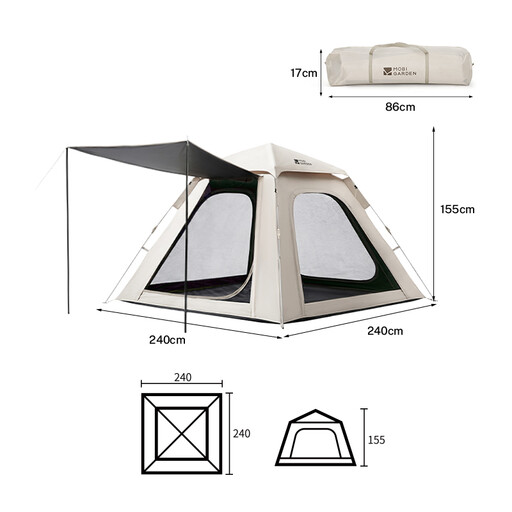
Why this model fits: Ideal for anyone who values a straightforward and fast setup. Perfect for spontaneous trips where you don't want to waste time with complicated instructions.
The tent tackles the heat buildup problem with a five-sided ventilation system and a special blackout fabric that, according to the manufacturer, blocks ≥99.9% of UV rays, keeping the interior cool and dark.
The automatic pop-up mechanism allows for setup in seconds. The square footprint of approx. 5.76 m? also offers a surprising amount of space.
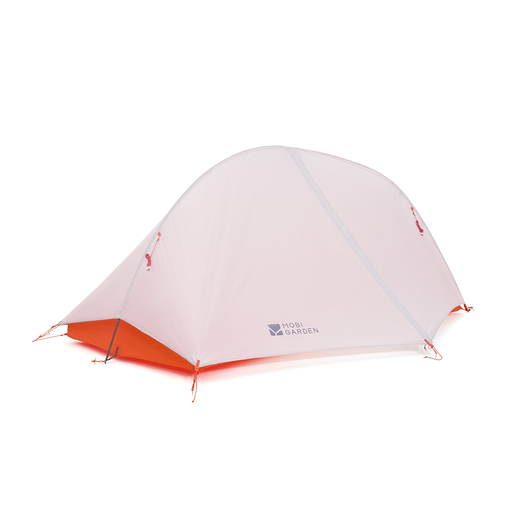
Why this model fits: Designed for long hikes where every gram counts. This 2-person tent combines minimal weight with a well-thought-out design for demanding tours.
It avoids the pitfall of excessive weight through the consistent use of lightweight materials: 20D ripstop nylon and ultralight aluminium poles result in a total weight of only approx. 1.18 kg.
Extremely small packed size (48 × 11 × 11 cm) and a well-designed ventilation system with a large-area mesh inner tent to reduce condensation.

Why this model fits: A purpose-built solution for anyone looking for a flexible, weatherproof shelter for bicycles, garden tools, or motorcycles without needing to construct a permanent building.
This product is not a camping tent but a dedicated tool shed. It avoids the mistake of using a sleeping tent for permanent storage. Integrated vents prevent the typical mould growth found in sealed tarp structures.
The combination of a sturdy aluminium frame and a robust PE cover offers reliable protection from rain and UV radiation. Included hooks and guy lines increase stability and utility.
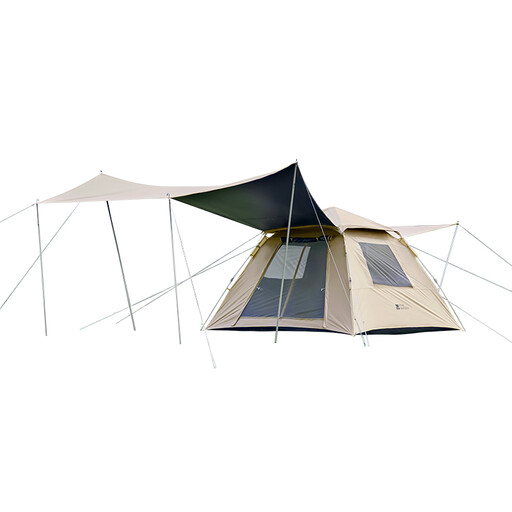
Why this model fits: This set combines the convenience of a quick-to-pitch family tent with a separate tarp that creates a spacious, covered outdoor area for cooking, eating, or relaxing.
It solves the problem of limited space in bad weather. The additional tarp significantly expands the usable living area, offering protection from sun and rain, a feature many standard tents lack.
The combination of a pop-up tent with blackout fabric and a large, separate tarp offers a flexible and comfortable complete solution for families who need more than just a place to sleep.
We have compiled a complete, up-to-date list of products that fully meet these strict selection criteria and UK/EU safety regulations.
The water column rating is an important indicator, but not the only one. For the outer tent, a value of 1,500 mm or more is sufficient for most conditions in the UK and Europe. The tent floor is often more critical, as it comes into direct contact with ground moisture under pressure; a rating of 3,000 mm or more is recommended here. Just as important are properly sealed seams, as water can otherwise penetrate at these points.
The main difference lies in the trade-off between setup speed and packed size. A pop-up tent (or throw tent) pitches itself in seconds thanks to an integrated spring mechanism but has a large, often bulky packed size. A trekking tent must be set up manually but can be packed down very small and light, making it ideal for carrying in a backpack.
Proper care is crucial. Never store your tent while it's damp, as this leads to mould and the degradation of the waterproof coating. After each use, allow it to dry completely in a shaded, well-ventilated area. Clean it only with a soft cloth and plain water. Avoid washing machines and harsh detergents.