Pre-cooked chickpeas are a staple in the modern kitchen. Whether for a quick salad, a creamy hummus, or a nutritious curry, having a can of chickpeas in the pantry saves time and effort. As a vegan protein source, they are also an essential component of a balanced, plant-based diet.
However, the selection on supermarket shelves can be overwhelming. Products differ in packaging, ingredients, and nutritional value. This guide is designed to help you navigate the options. We'll outline objective criteria and present a selection of products suited for various culinary uses.
What to Look for When Buying Canned Chickpeas?
To find the right canned chickpeas for your needs, consider a few key features. These will help you quickly assess a product's quality and suitability.
1. Packaging: Can or Jar?
The choice between a classic metal can and a glass jar is often a matter of personal preference.
- Cans are lightweight, shatterproof, and completely protect the contents from light, which can help preserve vitamins. They are practical for stocking your pantry and for transport.
- Chickpeas in a jar allow you to see the product directly. You can assess the shape, size, and clarity of the liquid before buying. Glass is also reusable and does not impart any flavour to the contents.
2. Ingredient List and Nutritional Value
A short, clear ingredient list is often an indicator of a minimally processed product. Ideally, it should only contain chickpeas, water, and salt.
- Sodium Content: Pay attention to the sodium content per 100g. A lower value is preferable for a low-sodium diet. In any case, the chickpeas can be rinsed before use to remove excess salt.
- Organic Quality: If you value organic farming, look for recognised certifications like the EU organic logo. Organic chickpeas are grown without the use of synthetic chemical pesticides and fertilisers.
- Protein Content: As a plant-based protein source, the protein content is a key criterion, especially for athletes, vegans, and vegetarians. Compare the value per 100g of drained weight.
3. Drained Weight and Consistency
The net weight listed on the packaging includes both the chickpeas and the liquid. More relevant for cooking is the drained weight, which indicates the actual amount of chickpeas. Consistency is crucial for the intended use: softer-cooked chickpeas are ideal for creamy hummus, while a firmer texture is better for salads or roasted chickpeas.
Our Tried Chickpea Selection
Based on objective product features, we have curated a selection of chickpea products suitable for different culinary projects.
Sera Chickpeas 400g Turkish
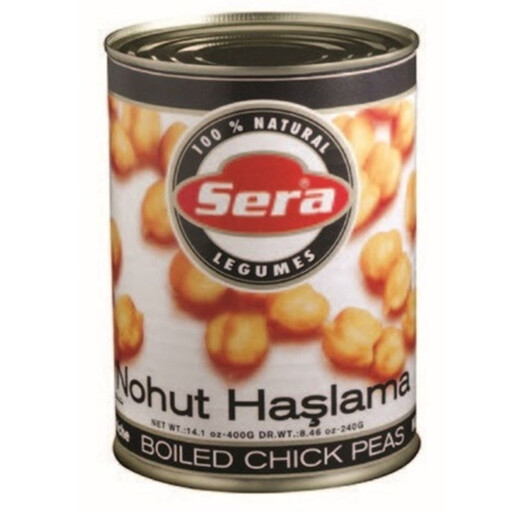
- Why it stands out: This product is notable for its simple recipe of chickpeas, water, vegetable oil, and salt. The chickpeas are packed in a simple brine, which preserves their natural texture and makes them particularly suitable for preparing creamy hummus or stews.
- Benefits:
- Ready to use and versatile.
- A good source of protein with 8.0g of protein per 100g.
- Low in fat and suitable for vegan and vegetarian diets.
- Best for: Home cooks who want to prepare authentic Mediterranean and Middle Eastern dishes and prefer a softer chickpea for dips and purées.
Alnatura Chickpeas 330g
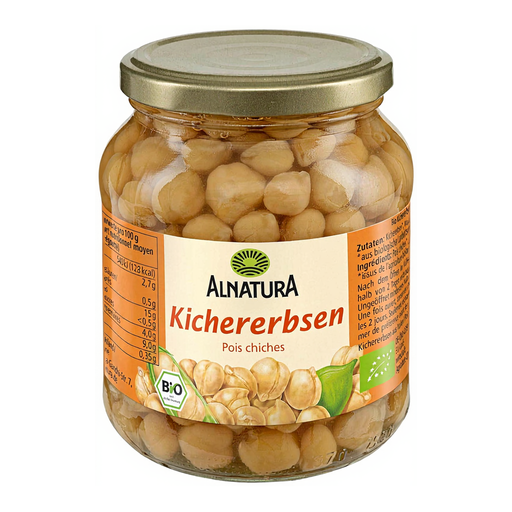
- Why it stands out: Alnatura chickpeas are DE-?KO-001 certified organic and come in a glass jar. The ingredient list is minimalist and transparent, containing only chickpeas, water, and sea salt.
- Benefits:
- Ingredients from organic farming.
- High protein content of 9.0g of protein per 100g.
- Glass packaging allows for visual inspection and is reusable.
- Vegan and free from genetically modified organisms.
- Best for: Health-conscious consumers who value organic quality and more sustainable packaging. Their firm consistency makes them a great choice for salads, bowls, and side dishes.
Bonduelle Chickpeas 425ml
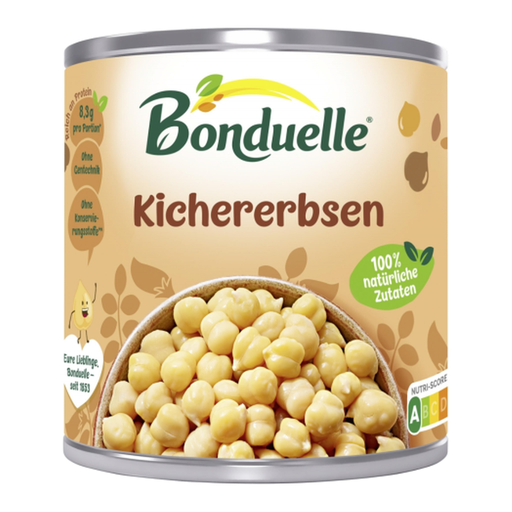
- Why it stands out: Bonduelle uses a gentle steam-cooking process and, according to the manufacturer, contains no preservatives. The product has a Nutri-Score A, indicating a favourable nutritional profile.
- Benefits:
- Gently steamed to preserve texture and nutrients.
- No added sugar and rich in fibre.
- Clear nutritional labelling with the Nutri-Score A.
- Vegetarian, vegan, and lactose-free.
- Best for: Families and nutrition-conscious individuals looking for a well-known brand with transparent quality features and a focus on gentle processing.
Looking for Other Legumes?
If you want to stock your pantry with other nutritious and versatile ingredients, other legumes might also be of interest. They offer a variety of textures and flavours.
For example, discover our selection of pinto beans, which are excellent for stews, salads, and Mexican dishes.
Frequently Asked Questions
Should you rinse canned chickpeas?
It is generally recommended to rinse cooked chickpeas from a can or jar under clean water before use. This removes excess salt and starch from the liquid (aquafaba). Doing so can improve the flavour of your dish and enhance digestibility. However, the liquid itself, aquafaba, can be saved and used as a vegan egg substitute for making meringues or mousse.
How do you store opened canned chickpeas?
After opening, any leftover chickpeas should be transferred from the metal can to a non-metallic, sealable container (e.g., glass or plastic). Stored in the refrigerator, they will typically last for 2 to 3 days. Products in a glass jar can be stored directly in the jar with the lid on.
Are canned chickpeas a good source of protein?
Yes, canned chickpeas are a convenient and valuable vegan protein source. They also provide fibre, complex carbohydrates, and essential minerals like iron and magnesium. The canning process makes the nutrients readily available and the product ready to eat, making them an efficient ingredient for a balanced diet.


