
Lieferung heute & morgen

Qualitätsgarantie

Willkommens-Angebote freischalten: KOSTENLOSE Lieferung | Bis zu 80 % RABATT | Kostenlose 30-Tage-JoyPlus-Testphase
App herunterladen
Choosing the right car seat is one of the most critical decisions for a child's safety on the road. The market offers an overwhelming variety of models, standards, and accessories, which can make the choice difficult. Many products promise comprehensive solutions, but not all live up to their claims. This guide will help you recognise common pitfalls and make an informed decision based on objective criteria.
As your Joybuy Product Recommendation Officer, I've made it my mission to filter market information and provide you with practical advice to help you find the right equipment for your family.
Before you make a purchase, you should familiarise yourself with three common issues that can lead to dissatisfaction and unnecessary expense:
To avoid these pitfalls, focus on verifiable standards and functional features.
The most current and comprehensive European safety standard for car seats is UN R129, better known as i-Size. Unlike the older ECE R44 standard, which is based on the child's weight, i-Size car seats are classified by the child's height. This allows for a more precise fit. Key features of the i-Size standard include:
Besides safety, practical aspects are crucial for daily use. A 360-degree rotation feature makes placing and buckling up the child much easier. Removable and washable covers are essential for hygiene. For trips in high temperatures, a special car seat summer cover made of breathable materials can reduce sweating. In winter, a suitable car seat footmuff provides warmth without compromising the safety of the harness.
Here are some product recommendations tailored to different needs and life stages.
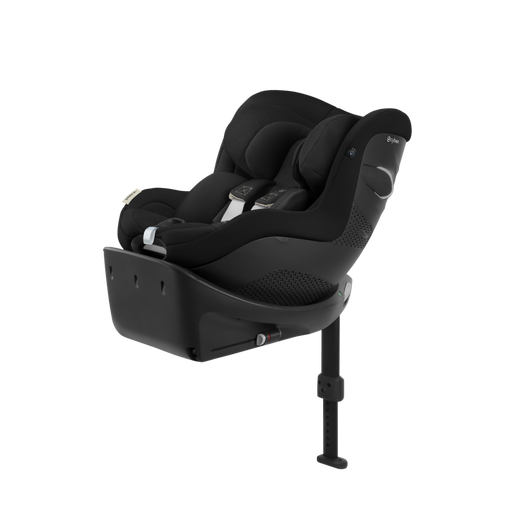
Why it's a great fit: Ideal for parents who want the highest safety standards and comfort right from birth. The 360° rotation function makes daily entry and exit incredibly easy and is gentle on your back.
This seat is specifically designed for the first four years of life (40–105 cm), thus avoiding the compromises of an "all-in-one" seat. The newborn inlay ensures an ergonomic and secure fit from the very beginning.
The combination of the i-Size standard, a 360° rotation mechanism, and integrated Linear Side-impact Protection (L.S.P. System) offers a high level of safety and user-friendliness.
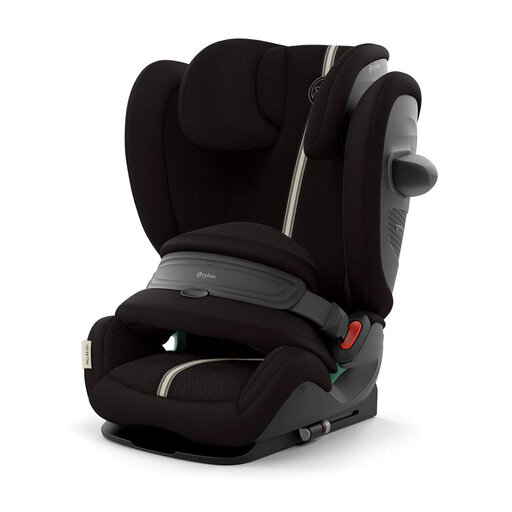
Why it's a great fit: A long-term solution for children from approx. 15 months to 12 years. This 2-in-1 seat adapts as the child grows, eliminating the need to buy multiple follow-up seats.
Instead of a compromise, this seat uses a 2-stage system: first, an impact shield for toddlers that distributes impact forces, and later it converts into a full-featured high-back booster seat.
The long service life of over 10 years, combined with the impact shield system which, according to manufacturer CYBEX, can reduce the risk of neck injuries, makes it an economical and safe choice.
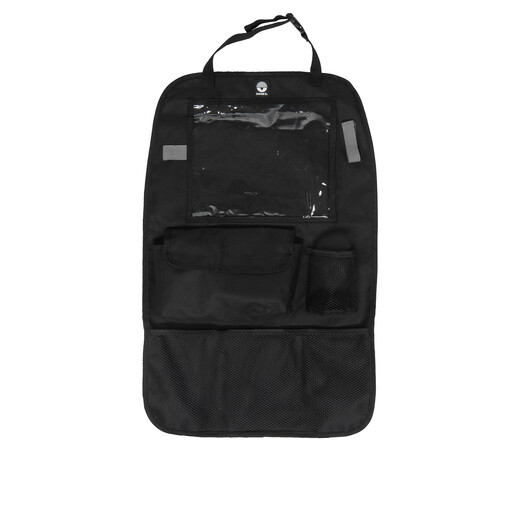
Why it's a great fit: Perfect for parents who want to keep the car tidy while providing entertainment on long journeys. A practical accessory for any family car.
This back seat organiser addresses the third pitfall: it creates a safe and tidy environment by securely stowing loose items like toys, bottles, and tablets, preventing them from becoming dangerous projectiles.
The combination of storage space, an integrated tablet holder, and a seat back protector makes this product a multifunctional helper that protects the car's interior and makes the journey more relaxed for everyone.
We have compiled a complete, up-to-date list of products that fully meet these strict selection criteria and UK safety regulations.
1. How long does my child have to travel in a rear-facing car seat? According to the i-Size standard (UN R129), rear-facing travel is legally required until at least 15 months of age. However, safety experts and motoring organisations recommend keeping children in a rear-facing car seat for as long as possible, ideally up to the age of four, as this provides significantly better protection for the neck and head area in a frontal collision.
2. Can I safely use a second-hand car seat? Buying a second-hand car seat is generally discouraged. You can never be sure if the seat has been involved in an accident. Even without visible damage, hairline cracks in the material can compromise its stability. Furthermore, the material degrades over time due to UV radiation and temperature fluctuations, which reduces its protective effect. Your child's safety should be the top priority here.
3. What is the safest solution for car journeys in winter? Thick winter jackets or snowsuits should absolutely be avoided under the car seat's harness system. The thick padding creates a dangerous gap between the harness and the child's body, meaning the harness cannot engage immediately in a collision. A safe alternative is to dress the child in a thinner fleece jacket, buckle them into the seat, and then place a blanket or a special car seat footmuff like the Zamboo Deluxe Winter Footmuff over the child and the harness. This keeps them warm while ensuring their safety.