
Lieferung heute & morgen

Qualitätsgarantie

Willkommens-Angebote freischalten: KOSTENLOSE Lieferung | Bis zu 80 % RABATT | Kostenlose 30-Tage-JoyPlus-Testphase
App herunterladen
By a Joybuy Product Recommendation Officer, August 28, 2026
A successful game night with friends or family thrives on the right atmosphere—and the perfect game. But the search for new card games for adults and families can quickly become overwhelming. The packaging often overpromises and underdelivers, leading to disappointment before the first round is even played. Instead of lighthearted fun, you're left with frustration and another game destined to gather dust on a shelf.
This guide will help you avoid the common pitfalls. We'll focus on the objective criteria that define a great card game and show you how to make an informed choice for your next game night.
Before choosing a game, it's helpful to understand the most common reasons for purchase regret. Many buyers stumble into the same easily avoidable problems.
To avoid these pitfalls, you should check three objective criteria before buying. These will help you see past the marketing hype and assess a game's suitability for your needs.
These two factors are critical in determining if a game fits your social circle.
These parameters indicate the level of difficulty.
The physical quality determines the game's longevity and practical use.
Here are a few recommendations tailored to different needs and player types. Each of these games was selected based on the objective criteria mentioned above.
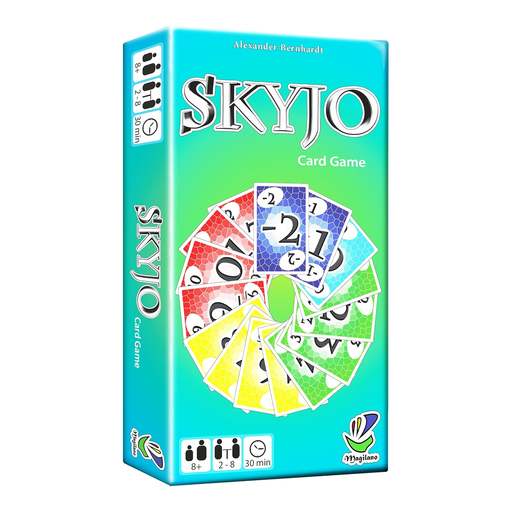
Why This Fits Their Persona: Ideal for groups with mixed ages. The gameplay can be explained in minutes, and rounds are short, helping younger players stay focused. It supports 2 to 8 players, making it flexible for both small and large family gatherings.
SKYJO avoids the complexity trap with its extremely simple rule set. The goal of scoring as few points as possible is immediately understandable and requires no lengthy onboarding.
Playfully promotes mental arithmetic and probability assessment. The mix of luck and tactics ensures high replay value.

Why This Fits Their Persona: This game is designed for parties. It combines music with a simple game mechanic, instantly sparking conversation and a relaxed atmosphere. With up to 10 players and over 300 music hits, it's perfect for larger groups where not everyone is an experienced gamer.
Hitster solves the problem of low replay value. The large number of songs and group interaction ensure that no two games are the same. The music sparks memories and encourages sing-alongs.
No setup is needed, as the gameplay is self-explanatory. Integration with the free app and Spotify (Free or Premium) makes playing the songs effortless.
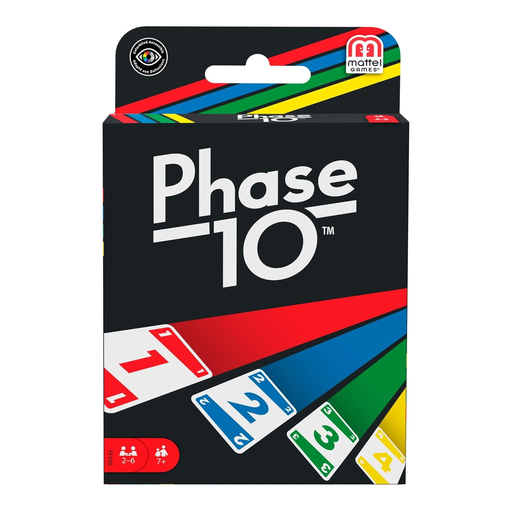
Why This Fits Their Persona: Phase 10 is a classic that works brilliantly for 2 players but also scales up to 6. It offers a clear structure and a satisfying sense of progression as you complete each of the ten phases. It's more strategic than pure luck-based games, yet remains easily accessible.
This game masters the balance between simplicity and long-term motivation. While the basic rules are simple, the fixed sequence of the 10 phases provides strategic depth and high replay value.
The clear, sequential goals (phases) give each round a new dynamic. Special cards like Wilds and Skips add extra interaction and unpredictable twists.
We've compiled a complete, up-to-date list of products that fully meet these strict selection criteria.
1. What makes a good card game for travel? A good travel game is defined by two features: compact, durable packaging (like a tin box or a small, sturdy box) and components that aren't easily lost. Games with fewer, larger components are often better suited than those with many small tokens or markers. Additionally, it should have resilient cards that can withstand rougher handling.
2. How do you find a game that's fun for both kids and adults? Look for games with simple core rules that still allow for tactical decisions. The recommended age is a good first filter. Games like SKYJO or UNO are great examples, as the main concept is learned quickly, but experienced players can gain an edge through strategic play. Cooperative games, where everyone works together to beat the game, are also an excellent choice for family games as they reduce the competitive pressure between generations.
3. Are card games with app integration a good choice? Games with app integration, such as Hitster, can be a modern and interactive addition to a game night. They are a great choice if your group is tech-savvy and has a smartphone handy. Before buying, check if the app is free and whether an internet connection or a specific streaming service (e.g., Spotify) is required. For sessions without a smartphone or in places with no internet access, classic, analogue card games are the more reliable option.