
Lieferung heute & morgen

Qualitätsgarantie

Willkommens-Angebote freischalten: KOSTENLOSE Lieferung | Bis zu 80 % RABATT | Kostenlose 30-Tage-JoyPlus-Testphase
App herunterladen
Choosing the right carry-on suitcase can significantly streamline your journey. However, with varying airline regulations and a vast array of models on the market, finding the perfect one can be a challenge. This guide will help you make an informed decision by highlighting key criteria and presenting a selection of models engineered for functionality, compliance, and durability.
To find the right cabin luggage, a few technical features are crucial. These criteria will help you compare your options objectively.
The dimensions of your carry-on are the most critical factor. Most European airlines, including Lufthansa, Eurowings, and Ryanair, adhere to a standard size of 55 x 40 x 23 cm. However, variations exist, so always check your airline's specific requirements before you fly. A suitcase with a height of 55 cm is often a safe bet. Weight is equally important. A lightweight suitcase offers more packing flexibility without exceeding weight limits (often between 8 and 10 kg).
A hard-shell suitcase offers robust protection for its contents. Common materials include:
The choice of material directly impacts the suitcase's durability and weight.
A 4-wheel carry-on trolley, also known as a spinner, can rotate 360 degrees and be glided effortlessly alongside you. This reduces strain on your arms and shoulders, especially in long queues at the airport.
A suitcase with a TSA lock is essential for travel to the USA and other countries. This special combination lock allows security authorities (like the US Transportation Security Administration) to open the suitcase with a master key if needed, without damaging the lock.
Based on the criteria above, we have compiled a selection of models that stand out for their specific features.
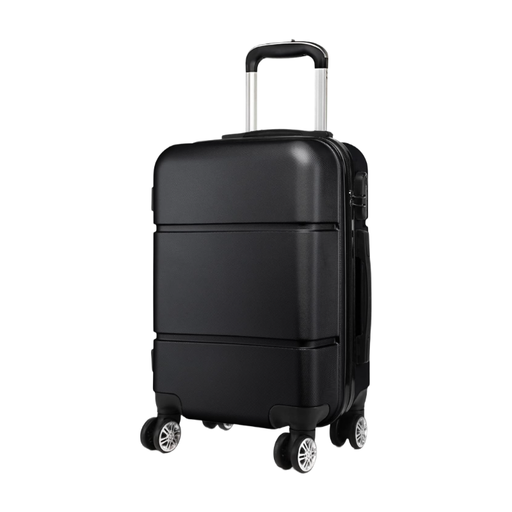
Why it stands out: This model is designed for maximum compatibility with the carry-on regulations of many major airlines and offers a solid set of essential features for short trips.
Advantages:
Who is it for? This suitcase is a practical choice for budget-conscious travelers seeking a reliable and compliant carry-on trolley for weekend getaways or short business trips.
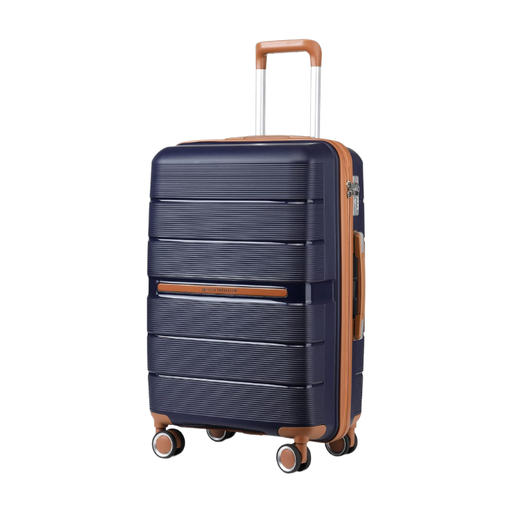
Why it stands out: This model's focus is on resilience and security, combined with a low tare weight thanks to its polypropylene construction.
Advantages:
Who is it for? Ideal for frequent flyers who value durability, a scratch-resistant surface, and the added security of a TSA lock.
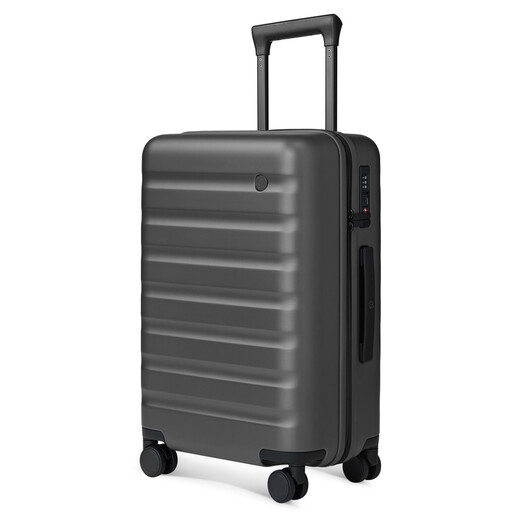
Why it stands out: This model is distinguished by its innovative design features that enhance travel comfort, such as a top surface that doubles as a small table and fully recessed hardware.
Advantages:
Who is it for? Perfect for tech-savvy travelers and business professionals who appreciate thoughtful details and an innovative design that turns the suitcase into a multifunctional travel companion.
The models presented here cover a range of different needs. However, if you'd like to compare other styles or sizes, you can find a broader selection in our comprehensive category.
? Discover more travel luggage and trolley models here
A widely accepted size for carry-on luggage is 55 x 40 x 23 cm (height x width x depth). These dimensions are accepted by many major airlines like Lufthansa, Swiss, and Austrian Airlines. Budget airlines such as Ryanair or Wizz Air often have stricter and smaller requirements. It is therefore essential to check the specific regulations of your airline before you travel.
Both types have their specific advantages. A hard-shell suitcase offers better protection for fragile items and is more resistant to impacts and moisture. A soft-shell suitcase is often more flexible and features exterior pockets for quick access to documents or liquids. For protecting electronic devices and other sensitive contents, the hard shell is generally the safer choice.
A suitcase with a TSA lock is particularly important for travel to the USA. The Transportation Security Administration (TSA) there is authorised to open luggage for inspection. If the suitcase has a TSA lock, the agency can open it with a master key and lock it again. With a conventional lock, there's a risk it will be forced open and damaged during an inspection. It also provides a recognized security standard for travel to other countries.