
Lieferung heute & morgen

Qualitätsgarantie

Willkommens-Angebote freischalten: KOSTENLOSE Lieferung | Bis zu 80 % RABATT | Kostenlose 30-Tage-JoyPlus-Testphase
App herunterladen
Choosing the right carry-on luggage can be crucial for avoiding extra airline fees and enhancing your travel comfort. With budget airlines like Ryanair, non-compliant dimensions can quickly lead to unexpected costs. This guide is designed to help you find a piece of luggage that not only meets airline regulations but also suits your practical needs. We will introduce a selection of models and explain the key criteria for making your decision.
Before you decide on a model, a few basic considerations are helpful. The following points summarize the most important features that define functional carry-on luggage.
The permissible dimensions for carry-on luggage vary significantly between airlines. While many major airlines adhere to a standard size of approximately 55 x 40 x 20 cm for a cabin trolley, low-cost carriers in particular have stricter rules for the free "small personal item" that must fit under the seat in front of you. For Ryanair carry-on, for example, the dimensions are often 40 x 20 x 25 cm. Therefore, always check your airline's current regulations before each trip to ensure your luggage meets the requirements.
The choice of material affects the weight, durability, and flexibility of your luggage.
Modern carry-on luggage offers various features that make traveling more comfortable:
Here is a selection of luggage pieces that are suited for different travel needs due to their specific features.
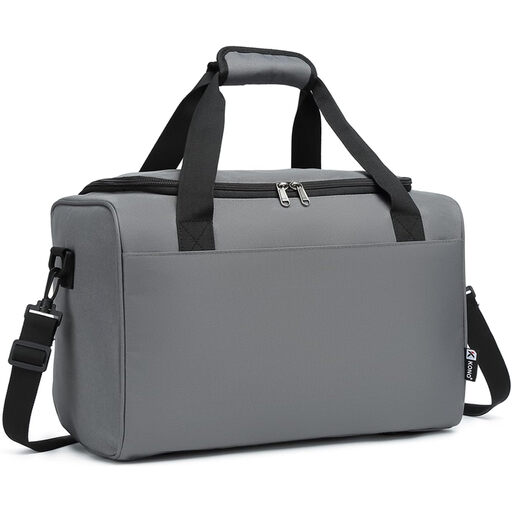
Why it stands out: This flight bag was specifically designed to meet the strict 40x20x25 cm dimensions for Ryanair's free personal item. Weighing only 0.48 kg with a capacity of 20 liters, it maximizes the permitted storage space without adding to the weight limit.
Advantages:
Who it's for: Ideal for travelers who frequently fly with budget airlines and want to avoid additional fees for larger carry-on luggage. It's perfect as a companion to a larger suitcase or for minimalist short trips.
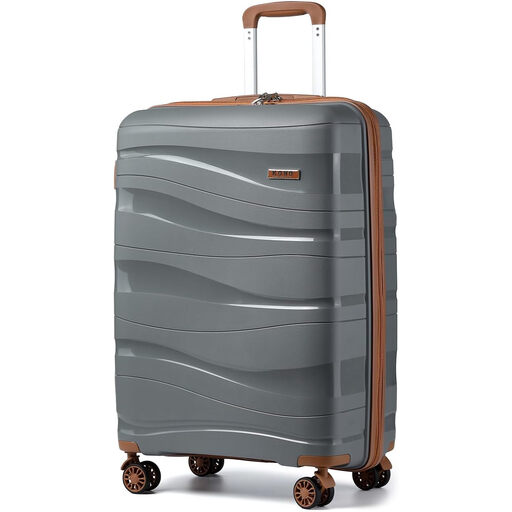
Why it stands out: This carry-on suitcase combines a robust hardshell made of 100% polypropylene with a low weight of 2.5 kg. With dimensions of 55x40x20 cm, it meets the carry-on regulations for the overhead compartment on many airlines.
Advantages:
Who it's for: A great choice for business and weekend travelers looking for a durable, secure, and well-organized cabin trolley for the overhead bin.
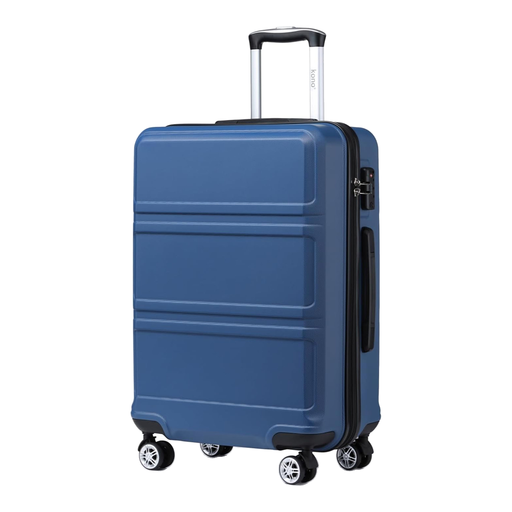
Why it stands out: This model, made of a 100% ABS hardshell, offers a balanced combination of lightness and stability. With a capacity of 41 liters and a weight of 2.5 kg, it efficiently utilizes the available space.
Advantages:
Who it's for: Travelers looking for a straightforward and lightweight hardshell suitcase for short trips or as a standard carry-on will find this to be a functional solution.
If these recommendations don't include the perfect model for your needs, you might find a suitable alternative in our broader selection.
Explore our full range of trolley bags.
1. What is considered carry-on luggage? Carry-on luggage typically includes two types of items: the larger carry-on piece (e.g., a cabin trolley) stored in the overhead compartment, and a smaller, personal item (e.g., a laptop bag, handbag, or small flight bag) that must fit under the seat in front of you. The exact definitions and whether both items are free of charge vary depending on the airline and your ticket fare.
2. How big can a carry-on suitcase be? There is no universal size. A common dimension for cabin trolleys is 55 x 40 x 20 cm. For the smaller, personal item, the dimensions are often much more restrictive, such as 40 x 20 x 25 cm on Ryanair. It is essential to check the specific regulations of your airline before every flight.
3. Is a hardshell or softshell suitcase better for carry-on? Both types have their pros and cons. Hardshell suitcases offer better protection for fragile items and are often water-repellent. Softshell suitcases are lighter, more flexible for packing, and frequently feature convenient exterior pockets for quick access to documents. The decision depends on your personal priorities regarding protection, weight, and flexibility.