
Lieferung heute & morgen

Qualitätsgarantie

Willkommens-Angebote freischalten: KOSTENLOSE Lieferung | Bis zu 80 % RABATT | Kostenlose 30-Tage-JoyPlus-Testphase
App herunterladen
A good casserole dish is the heart of many kitchens. Whether for a creamy lasagne, a crispy gratin, or a succulent Sunday roast, the right dish is crucial for success. However, the market is crowded, and many products fail to deliver on their promises. Before you make a decision, it's important to know the most common pitfalls that lead to disappointment and unnecessary expense.
As your Joybuy Product Recommendation Officer, I'm here to help you separate the wheat from the chaff. This guide focuses on the objective criteria that define a durable and functional oven-safe dish.
Many buyers are swayed by attractive looks or supposed bargains, only to find their new cookware is impractical or even unusable after a short time. Pay special attention to these three points:
To avoid these mistakes, you should focus on the fundamental properties of a casserole dish. The material, shape, and special features determine how well a dish will suit your needs.
Each material has specific advantages and disadvantages that make it ideal for certain types of preparation.
The shape is not purely an aesthetic feature. A rectangular casserole dish is ideal for layered dishes like lasagne or tiramisu, as they are easy to portion. Oval dishes are well-suited for poultry or cuts of meat.
The size should match your household. For one to two people, a volume of 1.5 to 2 litres is often sufficient. A family of four will likely need a dish with a 3 to 4-litre capacity for main courses.
A casserole dish with a lid keeps food moist, speeds up the cooking process, and allows for hygienic storage of leftovers. Always check if the lid is also oven-safe.
For delicate baked goods like quiches or tarts, a tart tin with a removable bottom is a sensible investment. It allows for easy and undamaged removal of the baked item from the tin.
Here are some recommendations from our range, tailored to specific user profiles and the quality criteria mentioned above.
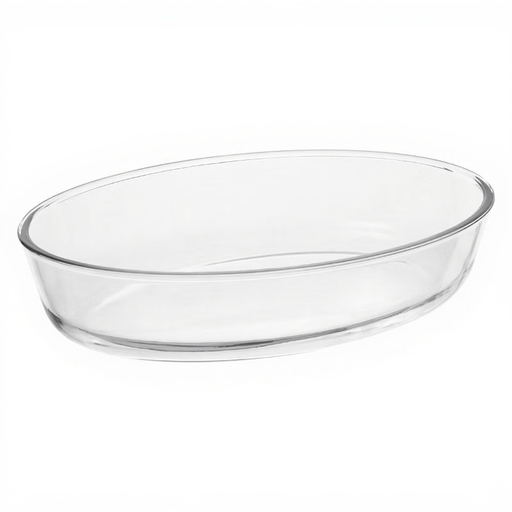
Why it's a great fit: Ideal for families looking for a versatile, low-maintenance solution for daily use. From the oven straight to the table and into the fridge with the lid – maximum practicality.
The borosilicate glass used is resistant to thermal shock. While the included polypropylene lid is not for the oven, it is perfectly designed for storage, representing a clear and honest separation of functions.
The dish is oven, microwave, and dishwasher safe, which minimises cleaning effort. The 3.8-litre volume is designed for typical family meals.

Why it's a great fit: For those who demand maximum performance. Perfect for stews, roasts, and bread. An investment that, with proper care, will last for generations and works on any hob type.
Enameled cast iron offers unparalleled heat distribution and retention. The large handles are designed for a secure grip with oven gloves, and the heavy lid seals tightly, making it ideal for braising.
Suitable for all hob types, including induction, as well as the oven. The light-coloured interior enamel makes it easy to monitor browning and is scratch-resistant.
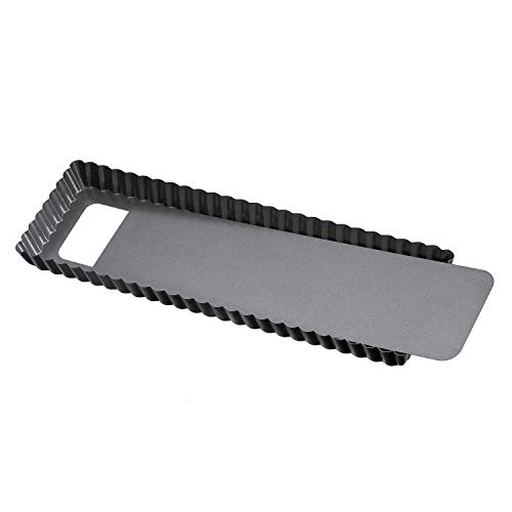
Why it's a great fit: For bakers who want to create perfect tarts and quiches without breakage or sticking. The special construction is focused on a single goal: a flawless result.
This tart tin with a removable bottom solves the core problem of releasing delicate baked goods. The enamelled base is cut-resistant, so the tart can be served directly on it, bypassing a typical design flaw of other tins.
The dual-layer, ceramic-reinforced non-stick coating ensures easy release of the sides, while the steel body guarantees even browning. According to the manufacturer, it comes with a 10-year warranty on the coating.
We have compiled a complete, up-to-date list of products that fully meet these strict selection criteria and UK safety regulations.
1. Can every casserole dish go in the dishwasher? No, dishwasher suitability depends heavily on the material. Glass and many ceramic dishes are generally dishwasher-safe. For non-stick metal tins and especially cast iron, hand washing is often recommended to protect the coating or seasoning. Always check the manufacturer's care instructions.
2. What is the difference between a casserole dish and a roaster? A roaster, particularly a cast iron Dutch oven, is typically heavier, has a tight-fitting lid, and is designed for use on both the hob (for searing) and in the oven. A classic casserole dish is often lighter (e.g., glass or ceramic) and primarily intended for oven use. However, the lines between them can be blurry.
3. How do I find the right size casserole dish for my household? As a rule of thumb: for 1–2 people, a capacity of about 1.5–2 litres is sufficient. For a family of 3–4, you should choose a dish with 3–4 litres. For specific dishes like a classic lasagne, a rectangular dish measuring at least 30 x 20 cm is a good guide. Also, measure the interior of your oven to ensure the dish will fit.