
Lieferung heute & morgen

Qualitätsgarantie

Willkommens-Angebote freischalten: KOSTENLOSE Lieferung | Bis zu 80 % RABATT | Kostenlose 30-Tage-JoyPlus-Testphase
App herunterladen
A cast iron Dutch oven, often called a cocotte or casserole dish, is a centrepiece in the kitchen for many cooking enthusiasts. It promises succulent roasts, aromatic stews, and crusty bread. However, the market is flooded with options, and not every pot lives up to its advertising. Certain weaknesses in material and design can quickly sour the joy of cooking, turning a supposedly good investment into an expensive mistake.
Before you make a decision, it's important to know the most common pitfalls:
To avoid a bad purchase, you should focus your attention on three core technical parameters. These are crucial in determining the performance, durability, and versatility of your cast iron Dutch oven.
An enamelled cast iron pot offers significant advantages over its raw counterpart: it's easier to care for, doesn't require seasoning, and doesn't react with acidic foods. However, the quality of the enamel is critical. Look for a multi-layered, non-porous coating. High-quality enamel is not only resistant to scratches and chipping but also simplifies cleaning and ensures a hygienic surface. A light-coloured interior enamel, as found in some Le Creuset Dutch ovens, makes it easier to monitor the degree of browning, while the dark, matte enamel of many Staub cocottes is prized for the rich caramelisation it promotes.
The function of a cast iron pot with a lid goes far beyond simply covering it. A heavy, tight-fitting lid is essential to keep heat and moisture inside. Some manufacturers have perfected this principle. Staub, for example, uses a special drip-point structure on the inside of the lid, which causes the rising steam to condense and drip evenly back onto the food. This self-basting system ensures exceptionally tender and juicy results without you needing to add more liquid.
The thermal conductivity of cast iron is legendary, but it only works optimally with direct contact to the heat source. A perfectly flat, machined base is therefore a must, especially for use on induction and glass-ceramic hobs. It guarantees maximum energy transfer and even heat distribution throughout the entire casserole dish. This prevents scorching in spots and allows for controlled cooking at low temperatures—ideal for braised dishes.
The choice of the right Dutch oven depends heavily on your individual cooking habits and household size. Here are three models tailored to specific user profiles.
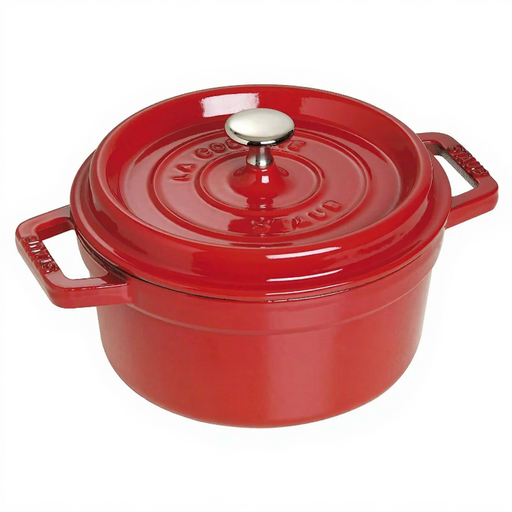
Why This Fits Their Persona: With a 2.2-litre capacity, this cocotte is ideal for one to two-person households or for preparing side dishes. It offers an entry into the world of premium cookware without the budget for a very large model, and is perfect for learning braising and roasting techniques.
The multi-layered, matte black enamel is robust and promotes rich caramelisation. The heavy lid with its patented drip-point structure effectively prevents food from drying out—a common problem with cheaper models.
The self-basting system for succulent results and the compact, versatile size.
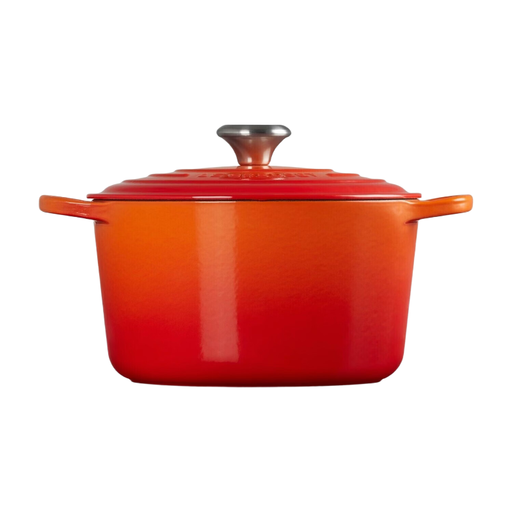
Why This Fits Their Persona: With a capacity of approx. 5 litres, this Dutch oven is designed for family meals, cooking for guests, or preparing larger quantities (Meal Prep). Its tall design minimises splatter and makes it ideal for soups, stews, and whole roasts.
Le Creuset's light-coloured interior enamel is renowned for its durability and resistance to chipping. The heavy, tight-fitting lid securely locks in moisture, and the flat-machined base ensures optimal heat distribution on all hob types.
Generous capacity and the light interior enamel, which allows for easy monitoring of the cooking process.
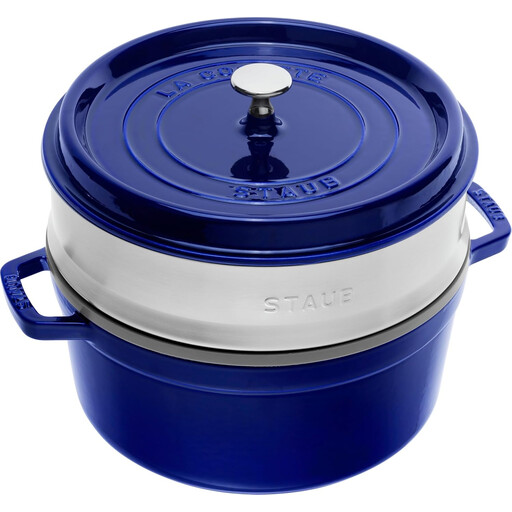
Why This Fits Their Persona: This set is designed for cooks who seek maximum versatility. It combines the functions of a classic Dutch oven with those of a steamer. Ideal for preparing complete meals where meat is braised while vegetables are steamed simultaneously, or for baking bread.
This model not only offers the proven Staub quality features like the tight-fitting lid with its drip-point structure, but it also significantly expands its functionality. Instead of multiple separate appliances, you get an integrated solution that saves space and money.
3-in-1 functionality (roasting, braising, steaming) thanks to the included stainless steel insert.
We have compiled a complete, up-to-date list of products that fully meet these strict selection criteria and UK safety regulations.
Allow the Dutch oven to cool completely after use to avoid thermal shock and cracks in the enamel. Clean it with warm water, a mild washing-up liquid, and a soft sponge. Avoid steel wool or abrasive cleaners. Although many models are declared dishwasher-safe, hand washing is recommended to preserve the longevity of the enamel. Afterwards, dry the pot thoroughly.
Yes, a cast iron pot for baking bread is an excellent choice. The material retains heat extremely well and releases it evenly. When the dough is baked in the preheated, closed pot, the lid traps the escaping steam. This humid environment creates an outstanding oven spring and a crispy, golden-brown crust, similar to a professional steam oven.
The price reflects the quality of the materials and the complex manufacturing process. Each pot is cast in a unique sand mould, which is destroyed after casting. The enamel layers are then applied and fired in several steps. This process ensures extreme heat resistance, durability, and the special cooking properties. Such a Dutch Oven is not a purchase for a single season, but an investment in your kitchen arsenal for many years, or even decades.