
Lieferung heute & morgen

Qualitätsgarantie

Willkommens-Angebote freischalten: KOSTENLOSE Lieferung | Bis zu 80 % RABATT | Kostenlose 30-Tage-JoyPlus-Testphase
App herunterladen
The selection of cat food is vast, and choosing the right product can be a challenge. Many cat owners look for a diet that meets their cat's natural needs, focusing on criteria like high meat content or grain-free formulas. This guide is designed to help you understand the key features of cat food and make an informed choice.
To assess the quality of a food, it's crucial to examine its composition and ingredient declaration. The following points can help guide your decision.
The ingredients list reveals the quality of a food. A transparent declaration, where all components are listed individually with their percentages (e.g., "70% chicken, consisting of heart, meat, liver"), offers clarity. Phrases like "meat and animal by-products" are less informative, as they don't specify which parts of the animal were used or in what quantity. A high meat content from quality sources like muscle meat and offal is a hallmark of a food designed for a carnivore's dietary needs.
Grain-free cat food is a popular choice, as cats are natural carnivores and their digestive systems are not designed to process large amounts of carbohydrates from grains. For cats with sensitive digestion or intolerances, a grain-free diet can be beneficial. Peas, lentils, or potatoes are often used as alternative carbohydrate sources and can be a good source of energy in moderation.
Both wet cat food and dry cat food have unique properties. Wet food has a high moisture content, which helps support your cat's hydration. Dry food is convenient to handle and store, and its hard texture can help with dental cleaning. Mixed feeding, where both types of food are offered, can combine the advantages of both.
Based on the criteria above, we've curated a selection of products that stand out for their composition and specific features.
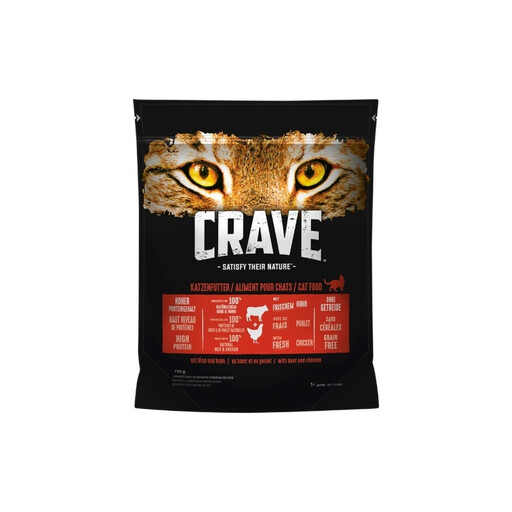
What makes it stand out: This dry food is inspired by a cat's natural diet and features a very high protein content of 40%. The formula is grain-free and uses fresh chicken as one of its main ingredients.
Benefits:
Who it's for: This food is an excellent choice for owners of active adult cats who prefer a protein-rich dry cat food that supports muscle development.
View Product: CRAVE Cat Adult with Beef and Chicken
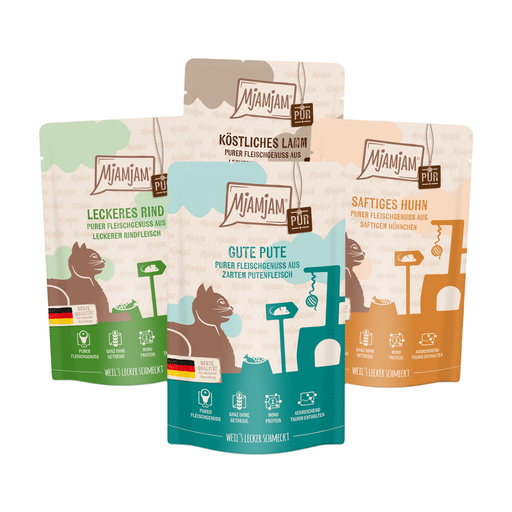
What makes it stand out: This wet cat food impresses with an exceptionally high meat content of 71% and a very transparent, open declaration. The variety pack includes four different flavours (turkey, lamb, chicken, beef), adding diversity to your cat's food bowl.
Benefits:
Who it's for: Ideal for cat owners who value a healthy cat food with maximum meat content and clearly declared ingredients. The pack is also great for picky eaters to help discover their favourite flavour.
View Product: MjAMjAM Pure Meat Delight Variety Pack
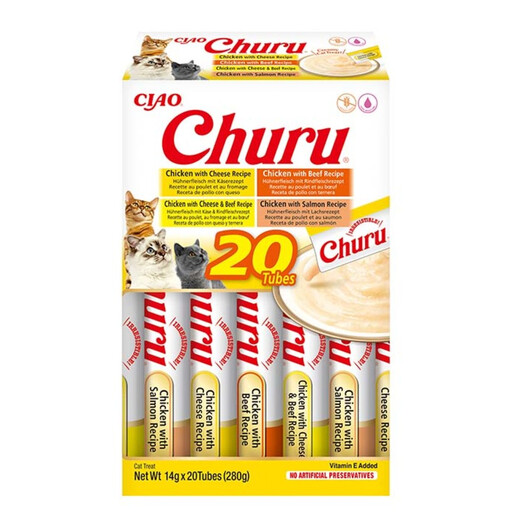
What makes it stand out: These cat treats are designed as a creamy paste, offering an innovative way to feed your cat. With a moisture content of 91% and only 6 calories per pouch, they are a light, guilt-free reward.
Benefits:
Who it's for: For cat owners looking for an interactive treat, a way to promote hydration, or a low-calorie option for overweight cats.
View Product: Inaba Churu Cat Pouches
Cats have individual preferences. If you're looking for other food varieties based on popular protein sources like beef and chicken, you can find additional products in our broader selection.
Explore more beef and chicken food varieties here
1. How can I identify high-quality cat food? You can recognise high-quality cat food by a clear and transparent ingredient declaration, a high proportion of muscle meat and offal, and the absence of unnecessary fillers like sugar, artificial colours, and preservatives. A grain-free formula can also be a mark of quality, especially for cats with dietary sensitivities.
2. How much wet food does an adult cat need per day? The required amount of food depends on factors like the cat's age, weight, breed, and activity level. As a general guideline, an average-sized cat (approx. 3–5 kg) needs about 200–400 grams of wet food per day. However, it is crucial to always follow the manufacturer's feeding guidelines on the packaging and adjust the amount individually.
3. Are cat treats generally unhealthy? Not necessarily. The quality of a treat depends on its ingredients and calorie content. Products without sugar, grains, and artificial additives can be a sensible supplement. Low-calorie treats with high moisture content, like the featured Churu pouches, are well-suited for training or strengthening your bond without significantly impacting the daily calorie count. However, they should always be fed in moderation.