
Lieferung heute & morgen

Qualitätsgarantie

Willkommens-Angebote freischalten: KOSTENLOSE Lieferung | Bis zu 80 % RABATT | Kostenlose 30-Tage-JoyPlus-Testphase
App herunterladen
As a cat owner, you face a huge selection of cat food every day. The shelves and online shops are filled with countless brands, varieties, and promises. However, the search for the right food for your feline friend can quickly become overwhelming. Marketing terms and unclear declarations make an informed decision difficult. This guide will help you recognise the typical pitfalls and make a knowledgeable choice that meets your cat's needs.
Before we delve into the important selection criteria, let's look at three common stumbling blocks that often lead to poor purchasing decisions.
To find the right food, you should focus on objective criteria rather than advertising promises.
The decision between wet cat food and dry cat food depends on your cat's needs and your own preferences.
The ingredients list is arranged in descending order by weight. Meat should always be the first ingredient. Pay attention to the following analytical constituents, which must be stated on every package:
Every cat is unique. That's why we've put together some products based on typical cat owner profiles.
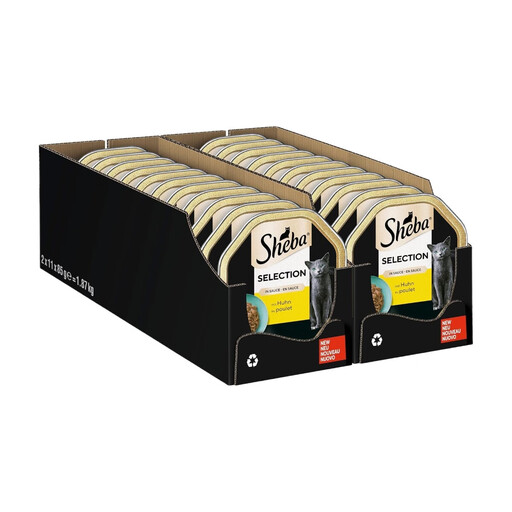
Why This Fits Their Persona: Ideal for cat owners looking for a reliable food solution in larger quantities. The cat food multipack ensures a supply is always on hand, and the convenient trays allow for clean and quick feeding with no leftovers.
This product from a well-known brand like Sheba cat food offers consistent quality and palatability, which minimises the risk of food refusal and thus wasted money.
A complete and balanced meal in convenient portioned trays. The bulk pack offers good value for money for regular needs.
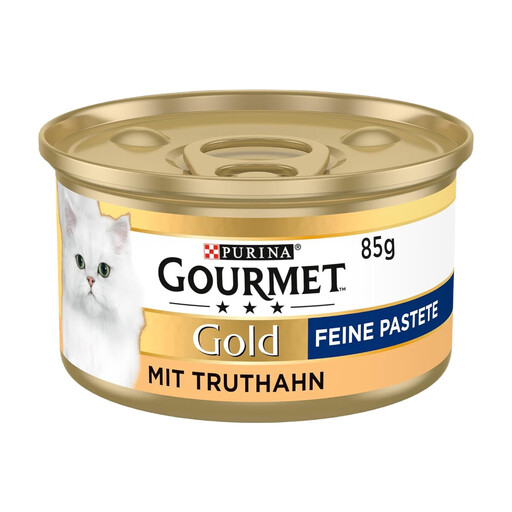
Why This Fits Their Persona: For cats that prefer a fine texture and are fussy eaters. The delicate p?té from Purina Gourmet Gold is often well-received even by discerning cats.
The fine consistency and intense flavour are aimed directly at high acceptance, thus bypassing the problem of buying food that the cat rejects. According to the manufacturer, no artificial colours, preservatives, or flavourings are added.
Delicate p?té texture for fussy cats. Designed as a complete food that covers daily nutritional needs. Convenient 85g tins for fresh portions.
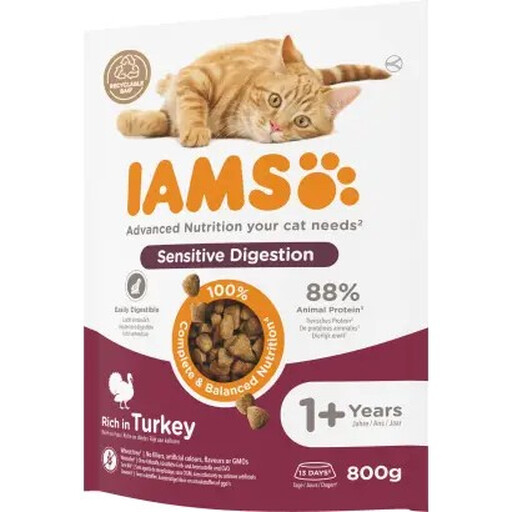
Why This Fits Their Persona: Specifically for owners of cats with sensitive digestion. This dry food offers a targeted formula to meet the needs of animals with a sensitive gastrointestinal tract.
Instead of relying on the general "grain-free" trend, this food focuses on an easily digestible formula. It is wheat-free (but made in a factory that handles wheat) and contains prebiotics to support digestion.
Formulated as cat food for sensitive stomachs. High level of animal protein (88% of total protein according to the manufacturer) to support lean muscles. Contains no artificial colours or flavourings.
We've compiled a complete, up-to-date list of products that fully meet these strict selection criteria and regulations.
The required amount depends on your cat's weight, age, and activity level. An average active cat weighing 4 kg needs about 200 to 250 grams of wet food per day, divided into at least two meals. Always follow the manufacturer's feeding recommendations on the packaging, as this can vary depending on the food's calorie content.
Yes, mixing different brands or varieties is possible and can provide variety in the food bowl. However, when changing food or introducing a new variety, this should be done gradually over several days. Initially, mix a small amount of the new food with the familiar one and slowly increase the proportion to avoid upsetting your cat's digestion.
You can recognise high-quality cat food by several objective features: