
Lieferung heute & morgen

Qualitätsgarantie

Willkommens-Angebote freischalten: KOSTENLOSE Lieferung | Bis zu 80 % RABATT | Kostenlose 30-Tage-JoyPlus-Testphase
App herunterladen
Choosing the right plant pot is often more than a purely practical decision. A suitable indoor ceramic plant pot not only serves as a container for your houseplants but also as an essential decorative element that enhances your interior style. However, the sheer variety of shapes, sizes, and designs can make the selection process challenging. This guide offers direction and presents a curated selection of ceramic cachepots that masterfully combine functionality with aesthetics.
To make an informed decision, there are a few fundamental criteria to consider. These will help you find the perfect pot for your plants and your home.
The size of the pot is crucial for the health of your plant. A ceramic cachepot should be about 2 to 4 centimetres larger in diameter than the nursery pot (the inner plastic pot) the plant sits in. This gap ensures adequate air circulation and prevents waterlogging. For larger plants like a Monstera or a Fiddle-Leaf Fig, a large ceramic planter is necessary to provide stability and give the root ball enough room to grow.
A plant pot is an integral part of your room's decor. A modern plant pot with clean lines and neutral colours like white, grey, or black will blend seamlessly into minimalist or Scandinavian design schemes. On the other hand, if you want to create a visual accent, you can opt for an eye-catching decorative plant pot with patterns, special glazes, or bold colours. The material, ceramic, offers an enormous range of design possibilities.
Ceramic is an exceptionally suitable material for a houseplant pot. Its inherent weight provides a stable base, even for larger plants. Glazed ceramic is waterproof, protecting furniture and floors from moisture. Furthermore, the material is durable and low-maintenance. The smooth surface is easy to clean and retains its attractive appearance for years.
Based on the criteria of design, material, and functionality, we have compiled a selection of ceramic plant pots for indoor use.
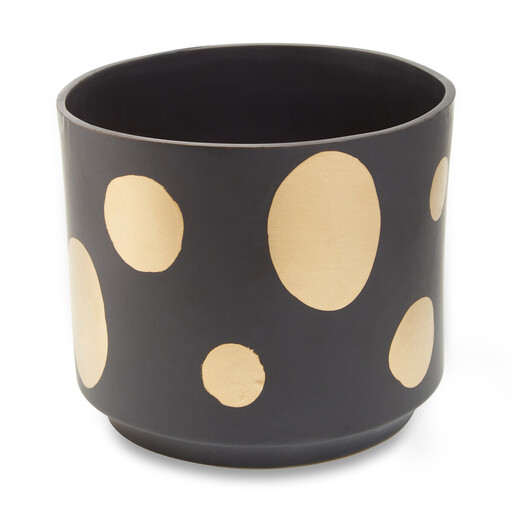
What makes it stand out This large ceramic planter captivates with its simple, minimalist design. Made from stoneware, its clean form and natural colouring allow it to blend harmoniously into a wide variety of interior concepts without being obtrusive. Its size makes it the ideal choice for substantial houseplants.
Advantages
Who it's for This model is an excellent choice for lovers of minimalist interior design and for anyone seeking an understated yet high-quality ceramic cachepot for their large green plants.
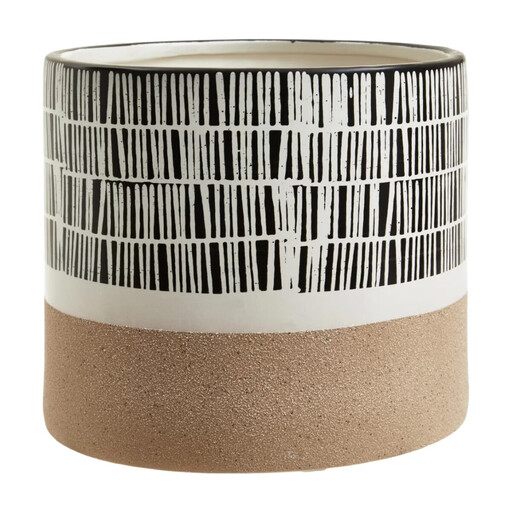
What makes it stand out With its striking black-and-white striped pattern, this large ceramic pot becomes a real eye-catcher. The design combines contemporary elements with a touch of boho aesthetics, making the pot a decorative statement piece. It is perfect for adding a visual accent to an otherwise simple room.
Advantages
Who it's for Ideal for individuals who want to make a clear design statement with their houseplant pot and are looking for a pot that is more than just a planter.
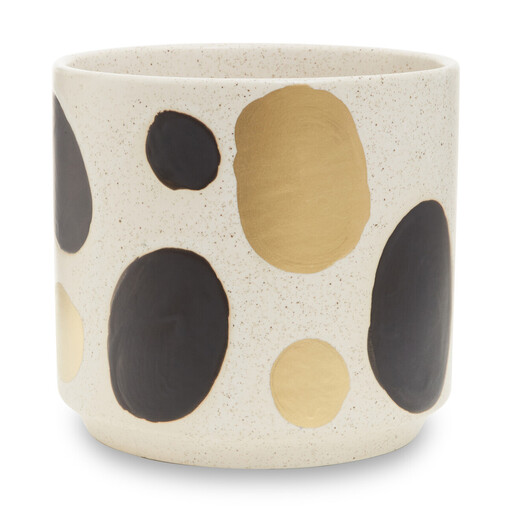
What makes it stand out This model is the compact version of the large Yuri pot and shares its minimalist design language. Finished in elegant black, this small stoneware pot is perfect for smaller plants like succulents, herbs, or young cuttings. Its size makes it ideal for windowsills, shelves, or side tables.
Advantages
Who it's for A fitting solution for apartments with less space, for decorating workstations, or for plant lovers who enjoy combining several small pots into an ensemble.
If you haven't found the right model in our selection or are interested in other designs, you can find additional inspiration in our extensive collection. Discover more Artificial Plant Pots and other planters here.
As a rule, cachepots, like the models presented here, are sealed containers without a drainage hole. They are designed to conceal the less attractive plastic nursery pot and to catch excess water after watering. This protects furniture and floors from water damage. The nursery pot itself has the necessary holes for drainage.
Care is straightforward. According to the manufacturers of the featured products, simply wiping the surface with a soft, damp cloth is sufficient. The use of abrasive cleaning agents should be avoided to prevent damage to the glaze or material.
As a rule of thumb, the diameter of the cachepot should be 2 to 4 cm larger than that of the inner nursery pot. This ensures that the plant can be easily inserted and removed and that air can circulate around the root ball, which helps prevent rot.
By the Joybuy Product Recommendation OfficerDate: July 21, 2026