
Lieferung heute & morgen

Qualitätsgarantie

Willkommens-Angebote freischalten: KOSTENLOSE Lieferung | Bis zu 80 % RABATT | Kostenlose 30-Tage-JoyPlus-Testphase
App herunterladen
With such a diverse selection available, finding the right champagne can be a challenge. Whether for a special occasion, a celebration, or as a premium gift, choosing the perfect bottle often requires more than a quick glance at the label. This guide provides objective criteria and clear information to help you make an informed decision the next time you order champagne online.
To identify a quality champagne that meets your expectations, some basic knowledge is helpful. The following points provide a factual foundation for your selection.
The dosage indicated on the label reveals the residual sugar content, which determines the champagne's sweetness. The most common style is Brut Champagne, which is considered dry. The classifications are regulated as follows:
For most occasions, a Brut champagne is a versatile and fitting choice.
Champagne is primarily made from three grape varieties, and their blend significantly shapes its character:
The assemblage, or the blend of these varieties, determines the final flavour profile. A high proportion of Chardonnay often results in a lighter, more elegant style, while a dominance of Pinot Noir creates a bolder champagne.
Based on objective product features and their established market position, we have curated a few recommendations. This selection is intended to serve as a guide for purchasing champagne for special occasions.
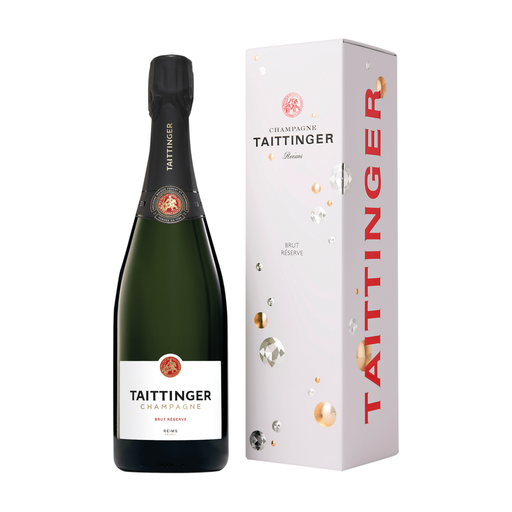
Why It Stands Out The Taittinger Brut Réserve is distinguished by a relatively high proportion of Chardonnay, which gives it exceptional finesse and elegance. The long ageing period on the lees contributes to its balance and harmonious notes.
Highlights
Who It's For This champagne is an excellent choice for connoisseurs who prefer an elegant and balanced style. It is perfect as an aperitif or as an accompaniment to light dishes and festive moments.
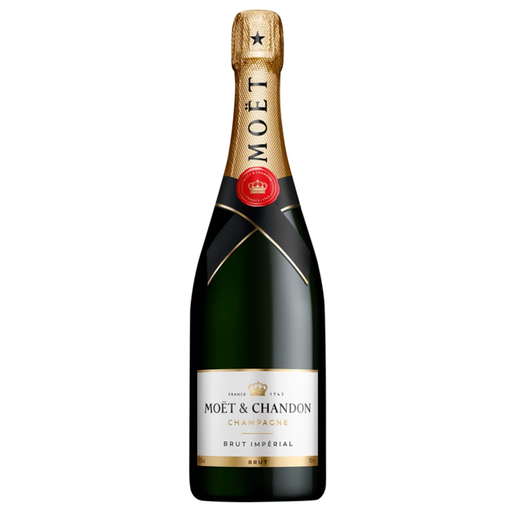
Why It Stands Out The Brut Impérial from Mo?t & Chandon is one of the world's most famous champagnes, representing the house style through a symbiosis of the three main grape varieties. Its universal popularity makes it a reliable choice.
Highlights
Who It's For Ideal for those seeking an approachable yet prestigious champagne. It suits many occasions, from spontaneous celebrations to grand festivities, and is a surefire choice for a gift.
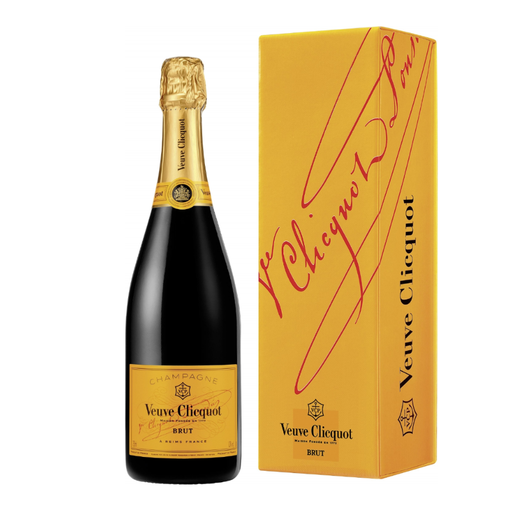
Why It Stands Out The Brut from Veuve Clicquot is known for its Pinot Noir-dominated structure, which gives it power and complexity. The iconic yellow label ensures high brand recognition.
Highlights
Who It's For This champagne is aimed at fans of a bolder, more structured style. It is an excellent food pairing and a great choice for anyone who appreciates a champagne with character and recognition.
If these suggestions don't include the perfect champagne for your taste or occasion, there are countless other cuvées and vintages to discover. Each champagne house has its own style, shaped by the origin of the grapes, the assemblage, and the cellar master's philosophy.
For a broader overview and more alternatives, you can browse our full collection.
Discover Our Entire Range of Champagne
"Brut" is a French term meaning "raw" or "dry." It indicates a champagne with a low residual sugar content of less than 12 grams per litre. This is the most commonly produced and consumed type of champagne, known for its fresh, non-sweet flavour profile.
When selecting a champagne as a gift, it's wise to opt for a well-known brand and a balanced style like Brut if the recipient's preferences are unknown. Elegant gift packaging enhances the premium nature of the present. Brands like Mo?t & Chandon or Veuve Clicquot are popular choices due to their strong reputation.
Champagne should be stored in a cool, dark place with a constant temperature between 10 and 12°C. Bottles should be stored on their side to keep the cork moist and prevent it from drying out. This stops air from entering the bottle and compromising the champagne's quality. An opened bottle should be sealed with a special champagne stopper and consumed within 1–3 days.