
Lieferung heute & morgen

Qualitätsgarantie

Willkommens-Angebote freischalten: KOSTENLOSE Lieferung | Bis zu 80 % RABATT | Kostenlose 30-Tage-JoyPlus-Testphase
App herunterladen
Choosing a children's helmet can be a challenge given the vast array of models, designs, and technical features. Whether for a bike, scooter, or inline skates, safety is paramount. However, many parents unknowingly fall into traps that can compromise their child's protection. This guide will help you understand the essential criteria and make an informed decision.
As a Joybuy Product Recommendation Officer, my job is to filter through market information and provide you with objective, practical advice that goes beyond marketing promises.
Before we dive into the technical details, it's important to be aware of common mistakes that often lead to inadequate protection.
To avoid these mistakes, you should base your selection on three objective core parameters. These form the foundation for reliable protection.
The most important feature of a protective helmet is its certification. Always look for the CE mark in conjunction with the EN 1078 standard. This European standard specifies the safety requirements and testing methods for helmets for cyclists and for users of skateboards and roller skates. A CE-certified helmet has passed tests for shock absorption, field of vision, and the properties of the retention system (chin strap and buckles). This is the non-negotiable minimum requirement for any helmet sold in Europe.
A helmet only protects effectively if it fits properly. The size is determined by the head circumference in centimetres.
The construction method affects the helmet's weight, ventilation, and durability.
Based on the criteria above, we have selected a few models for typical user profiles.
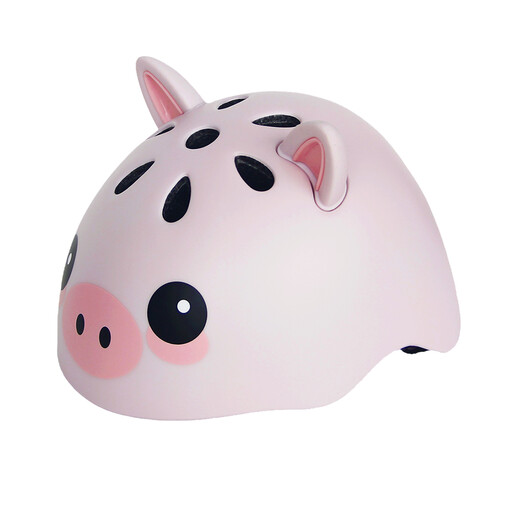
Why This Fits Their Persona: Ideal for younger children, whose willingness to wear a helmet often depends on its appearance. This model is aimed at parents looking for a safe helmet that their child will actually want to wear.
Solves the design dilemma by combining an appealing animal motif with certified safety (EN 1078) and a solid in-mould construction. The fit is secured via an adjustment system.
The playful design with 3D ears encourages acceptance. The lightweight in-mould construction and 7 ventilation openings ensure wearing comfort.
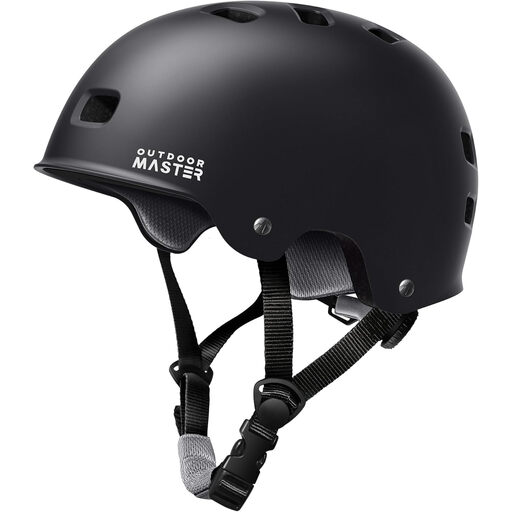
Why This Fits Their Persona: Perfect for older children, teens, and adults who want a single helmet for various activities like cycling, skating, and use as a scooter helmet.
The robust ABS hard shell is explicitly designed for multi-sport use and is more resistant to the typical impacts of skating than a pure bike helmet. It avoids the trap of using an unsuitable helmet type.
A reinforced ABS shell and a dual adjustment system (dial and chin straps) provide a reliable fit. Two sets of removable pads allow for further customisation.
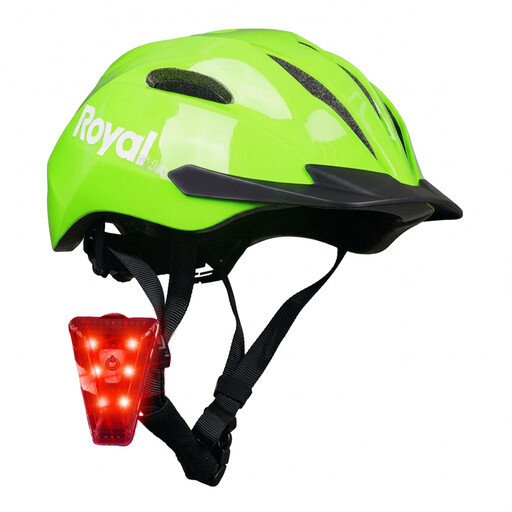
Why This Fits Their Persona: For parents who place a special emphasis on their child's visibility in traffic and at dusk. A helmet that combines active and passive safety features.
Goes beyond standard passive safety by integrating an active safety feature—the LED rear light—which is missing from many standard helmets and significantly increases visibility.
An integrated LED rear light with 3 modes for enhanced visibility. A fixed, built-in visor provides additional protection from sun, rain, and kicked-up debris.
We have compiled a complete, up-to-date list of products that fully meet these strict selection criteria and safety regulations.
Use a flexible measuring tape. Place it about a finger's width above the eyebrows and ears and wrap it horizontally around the widest part of the back of the head. The measured value in centimetres corresponds to the required helmet size. Do not buy a helmet "to grow into." It must fit well from the start.
A helmet must be replaced immediately after any significant fall or impact, even if no external damage is visible. The internal EPS foam structure can develop micro-cracks that drastically reduce its protective effect in a subsequent fall. Regardless of falls, manufacturers also recommend replacing a helmet every 3 to 5 years, as materials like plastic and foam degrade over time from UV radiation and environmental exposure, losing their protective properties.
Yes, as long as the helmet is certified according to the EN 1078 standard. This standard applies to helmets for cyclists as well as for users of skateboards and roller skates. A helmet for boys and girls that meets this standard can be used for both activities. Skate helmets often have a more robust shell and cover the back of the head more extensively, which can be advantageous in falls. Always check the label inside the helmet for the corresponding certification.