
Lieferung heute & morgen

Qualitätsgarantie

Willkommens-Angebote freischalten: KOSTENLOSE Lieferung | Bis zu 80 % RABATT | Kostenlose 30-Tage-JoyPlus-Testphase
App herunterladen
Finding the perfect chili crisp can be a challenge. This red condiment oil, packed with crispy bits, has evolved from a niche product in Sichuan cuisine to a global phenomenon. However, the growing selection of brands and flavour profiles doesn't make the decision any easier. Which oil offers the right balance of heat, aroma, and texture? Which is best as a dip, and which works as a base for a noodle dish?
This guide is here to help you navigate the options. Instead of making blanket judgments, we'll introduce various products and their specific characteristics. This will allow you to make an informed decision that suits your taste preferences and cooking needs.
To find the right product, it helps to understand a few basic features. These three criteria will help you distinguish between the different options available.
The name "chili crisp" already reveals its most important feature: the texture. Unlike a simple spicy condiment oil, a crispy chili oil contains solid ingredients that provide a crunchy mouthfeel. These bits can consist of fried chili flakes, soybeans, peanuts, onions, or garlic. Check the ingredient list to get an idea of the texture. Products with a higher proportion of solids are often chunkier and excellent as a topping, while oils with finer particles mix more easily into sauces and dressings.
A good Chinese chili sauce is more than just spicy. Many varieties, especially authentic Sichuan chili oil, are characterized by the so-called mala flavour (麻辣). This term describes the unique combination of the fiery heat (là, 辣) from chilies and the tingling, numbing sensation (má, 麻) from Szechuan peppercorns. Some products heavily emphasize this mala note, while others focus on a smoky, nutty, or umami-rich flavour from ingredients like fermented soybeans (douchi). Consider whether you prefer an intense tingle or a more balanced, aromatic profile.
How do you primarily plan to use the chili oil?
Here is a selection of products that cover different flavour profiles and applications. Each product is described based on its objective characteristics.
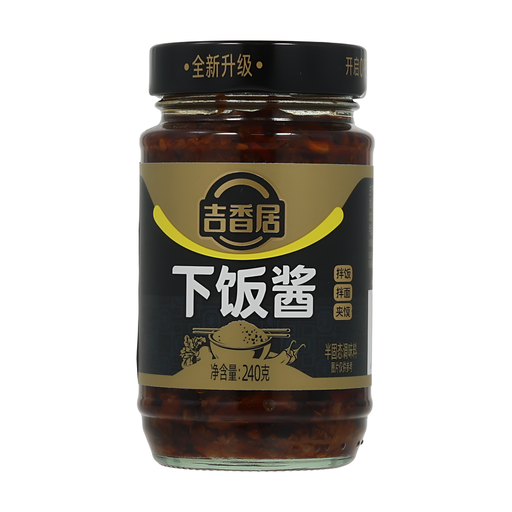
What makes it stand out: This sauce from Ji Xiang Ju is designed as a "Rice Meal Sauce," positioning itself as a versatile companion for everyday meals. The base of soybean oil, chili, garlic, and ginger is enhanced with broad bean paste (doubanjiang), giving it a deep, savoury, and slightly salty note. The texture is more saucy with finer bits, making it especially easy to mix.
Pros:
Who it's for: Ideal for users looking for an all-purpose, moderately spicy condiment for daily use. Those who appreciate the flavour of broad bean paste and prefer a sauce that blends well with other ingredients will find this a suitable option.
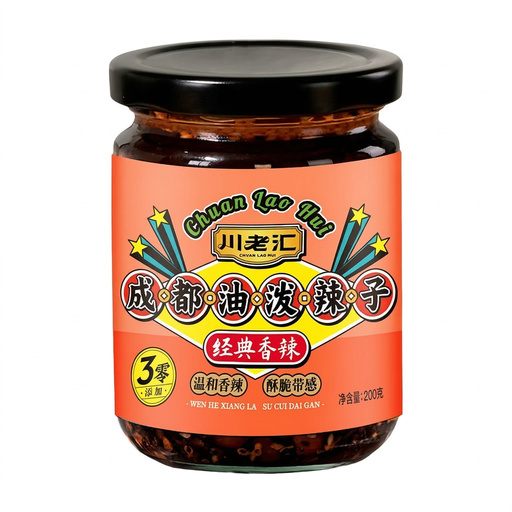
What makes it stand out: This product from Chuan Lao Hui is a classic Sichuan chili oil that clearly focuses on the authentic mala profile. The blend of different chili varieties and Szechuan peppercorns provides a present but not overpowering heat and the characteristic tingle on the tongue. The vibrant red colour of the oil and the visible chili and pepper particles also make it visually appealing.
Pros:
Who it's for: For lovers of authentic Sichuan cuisine who seek the typical interplay of heat and numbing tingle. Anyone looking to add a traditional touch to dishes like Mapo Tofu or spicy noodle soups will be well-served here.
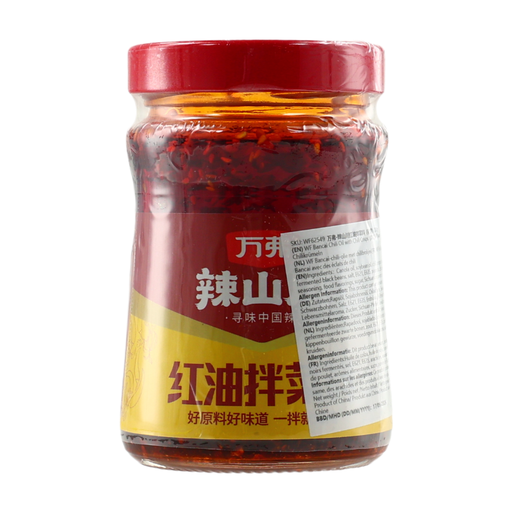
What makes it stand out: The name "With Bits" perfectly describes this product. It is an especially chunky and texture-rich crispy chili oil. In addition to chili flakes, it contains fermented black beans (douchi), peanuts, and sesame, which provide a complex, deep umami flavour and a distinct crunch. The combination of rapeseed and soybean oil forms a rich base.
Pros:
Who it's for: Perfect for foodies who value texture as much as flavour. Anyone looking for a multi-layered Lao Gan Ma alternative with a strong focus on umami and crunch will love this product. It's an excellent choice for adding an exciting component to simple dishes with just a spoonful.
Taste is personal, and the world of condiments is vast. If the products featured here aren't exactly what you're looking for, or if you're simply curious about other varieties, there's more to discover.
? Explore our full range of condiment pastes and sauces
In our category, you'll find a broader selection of Asian condiments, from various chili oils to other specialities that can enrich your cooking.
1. What is the difference between chili crisp and regular chili oil? The main difference lies in the texture. While traditional chili oil is often just an infused oil with fine chili flakes, chili crisp also contains crunchy ingredients. These include fried garlic, shallots, soybeans, or peanuts, which give the oil a crunchy consistency and a more complex mouthfeel.
2. How do you use crispy chili oil? Its uses are extremely versatile. You can use it straight from the jar as a topping for fried eggs, avocado toast, pizza, rice, or roasted vegetables. It's an excellent dip for dumplings and spring rolls. You can also stir it into noodle sauces, dressings, or marinades to instantly add depth and heat to dishes.
3. What does "Mala" mean in a chili sauce?Mala is the hallmark of Sichuan cuisine and describes a two-stage flavour experience. "Má" (麻) refers to the unique, tingling, numbing sensation caused by Szechuan peppercorns. "Là" (辣) denotes the fiery heat of the chilies. A Mala sauce combines these two sensations into a complex and intense flavour that goes far beyond simple spiciness.