
Lieferung heute & morgen

Qualitätsgarantie

Willkommens-Angebote freischalten: KOSTENLOSE Lieferung | Bis zu 80 % RABATT | Kostenlose 30-Tage-JoyPlus-Testphase
App herunterladen
Finding authentic Chinese noodles can be a challenge. Many enthusiasts of Chinese cuisine find that supermarket products often lack the desired texture or flavour profile for traditional dishes like Lanzhou beef noodle soup or Shandong-style fried noodles. The variety in shapes, thicknesses, and ingredients is vast, and making the right choice is crucial for the success of your recipe.
This guide is designed to provide clarity. We'll introduce different types of Chinese noodles, explain what to look for when buying, and present a selection of products suitable for specific cooking methods.
To find the right noodles for your dish, there are a few basic criteria to consider. These will help you make an informed decision before you buy Chinese noodles.
Not every noodle is suitable for every dish. Texture is the deciding factor here.
The base of most Chinese noodles is wheat flour, water, and salt. However, the type of wheat flour significantly influences the texture. Products with a high protein content (gluten) result in a more elastic and chewier noodle. A short, simple ingredient list is often a sign of a traditional product without unnecessary additives. For a change in flavour and nutritional profile, buckwheat noodles are a great option, offering a characteristic nutty taste.
Chinese noodles are typically dried and have a long shelf life. For households that regularly prepare noodle dishes, or for food service, bulk packs of 2 kg can be an economical option. Be sure to store the noodles in an airtight container in a cool, dry place after opening to maintain their quality.
Based on the criteria above, we have compiled a selection of noodles from the Chunsi Noodles brand, which are suitable for various authentic Chinese dishes.
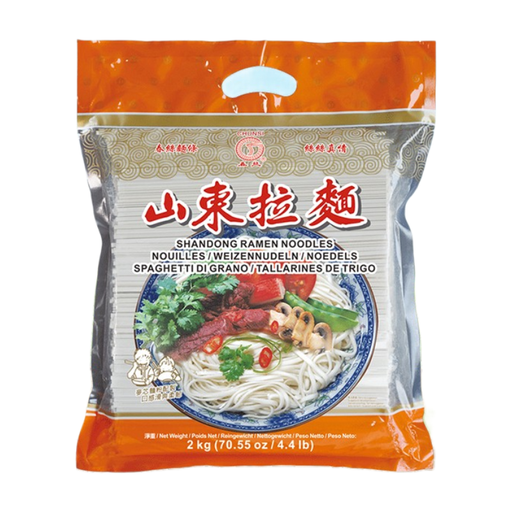
Why They Stand Out: These noodles are made from high-protein wheat flour, giving them remarkable elasticity and a firm bite. Their robust structure makes them a versatile all-rounder in Chinese cuisine.
Pros:
Best For: Ideal for cooks looking for a versatile noodle for a wide range of dishes, from stir-fries to stews.
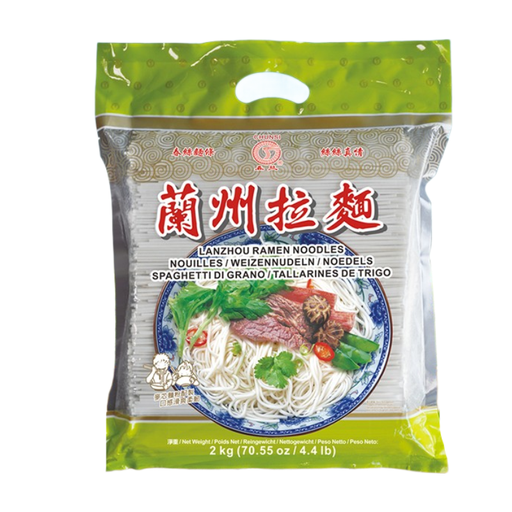
Why They Stand Out: These noodles are specifically designed for preparing the famous Lanzhou beef noodle soup. Their high gluten content ensures a springy, elastic texture that shines through perfectly in the soup broth.
Pros:
Best For: A must-have for anyone wanting to prepare an authentic Lanzhou beef noodle soup at home.
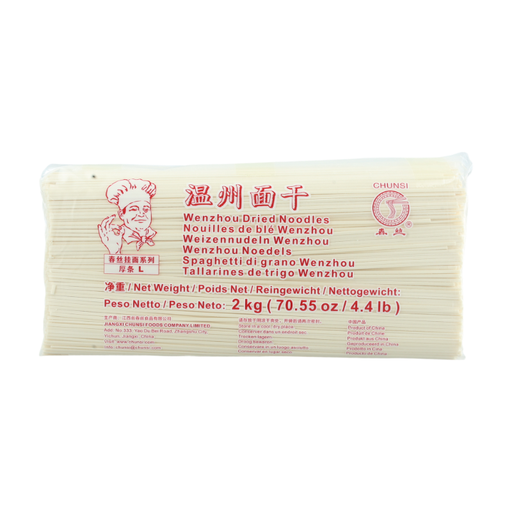
Why They Stand Out: These Wenzhou-style noodles are distinguished by their exceptionally smooth and springy texture. They don't stick together and are suitable for a variety of preparation methods, including cold noodle dishes.
Pros:
Best For: Cooks looking for a quick-cooking, versatile noodle that is especially well-suited for saucy dishes or cold preparations.
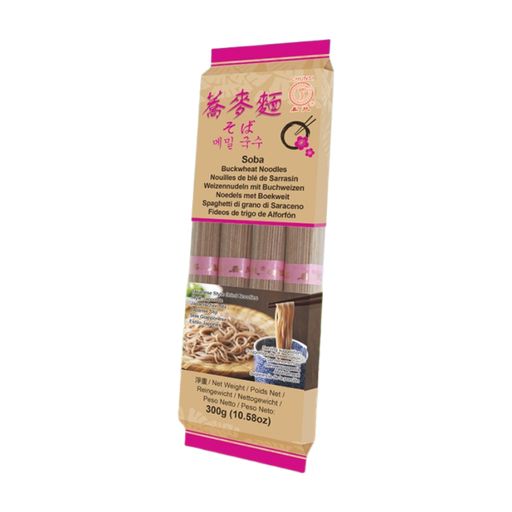
Why They Stand Out: These noodles combine wheat flour with 15% buckwheat flour, giving them a rich, nutty aroma and a higher fibre content.
Pros:
Best For: Individuals who appreciate the distinct taste of buckwheat noodles or are looking for a more nutrient-rich noodle option.
If you haven't found the perfect noodle for your next culinary project in this selection, there are many more varieties to discover. Every region of China has its own noodle specialities with unique characteristics.
Browse our extended range to find more Asian wheat noodles and other specialities.
The main difference lies in the ingredients and production. Italian pasta is typically made from durum wheat semolina and often contains egg. Chinese noodles are usually based on regular wheat flour, water, and salt. This results in different textures: Italian pasta is often firmer ('al dente'), while many Chinese noodle varieties aim for a springy and elastic consistency.
Use a large pot with plenty of boiling water. Add the noodles and stir them gently for the first few minutes to separate them. Cook according to the package instructions. For noodles intended for cold dishes or some stir-fry recipes, it's recommended to briefly rinse them with cold water after draining to stop the cooking process and remove excess starch.
For a noodle soup, the ideal noodles are those that maintain their firm bite in hot liquid. Varieties like Lanzhou noodles are made specifically for this. However, more robust, thicker wheat noodles like Shandong noodles also work well, as they don't soften too quickly and retain a pleasant texture.