
Lieferung heute & morgen

Qualitätsgarantie

Willkommens-Angebote freischalten: KOSTENLOSE Lieferung | Bis zu 80 % RABATT | Kostenlose 30-Tage-JoyPlus-Testphase
App herunterladen
Finding authentic Chinese food online can be a challenge, especially when you value high-quality ingredients and traditional production methods. Many Asian noodles available in stores are deep-fried and don't always align with a balanced diet or the desire for an original taste. This article serves as a guide for anyone looking to buy genuine Chinese wheat noodles, presenting a selection of non-fried options suitable for a wide variety of dishes.
To find the perfect noodles for your kitchen, a few objective criteria can help with your decision.
A key indicator of a noodle's quality and character is how it's made. Non-fried noodles are typically air-dried. This gentler process preserves the original texture and pure wheat flavour. Unlike fried instant noodles, they often absorb sauces and broths better during cooking and offer a firmer, more elastic consistency. So, if you value traditional preparation, you should look for terms like "non-fried" on the packaging.
The ingredients list reveals the quality and flavour profile. High-quality wheat noodles often consist of just wheat flour, water, and salt. Some manufacturers, like Liu Yu Da Dong Hang, enhance their products with special ingredients to create unique flavour experiences. For instance, noodles with shiitake powder can bring an earthy, umami note to soups, while yam noodles (with yam root powder) have a particularly smooth texture. For lovers of fresh herbal aromas, there are also varieties like noodles with coriander. These flavoured noodles provide an excellent base for creative dishes without having to resort to artificial additives.
Depending on their shape and thickness, Chinese wheat noodles are suitable for different dishes. Thin, round noodles are ideal for clear noodle soups or as an addition to hot pots. Flatter, wider ribbon noodles pair well with rich sauces or as noodles for stir-fries, as they can absorb a lot of sauce. Pay attention to the manufacturer's preparation recommendations to achieve the optimal texture for your planned dish.
Based on the criteria above, we have curated a selection of products that stand out for their ingredients and versatility.
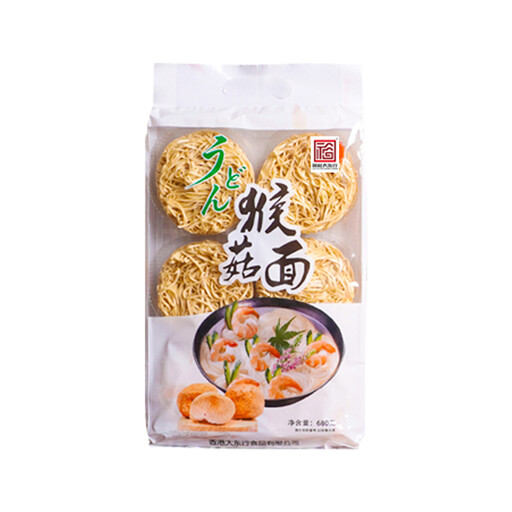
What Makes This Product Stand Out These noodles are enhanced with powder from the Lion's Mane mushroom (Hericium erinaceus), which gives them a distinct, earthy aroma. The texture after cooking is smooth and pleasantly firm to the bite.
Benefits
Who is it for? Ideal for home cooks looking for a flavourful base for Asian noodle soups or those who appreciate mushroom aromas. The noodles pair particularly well with rich broths and vegetables.
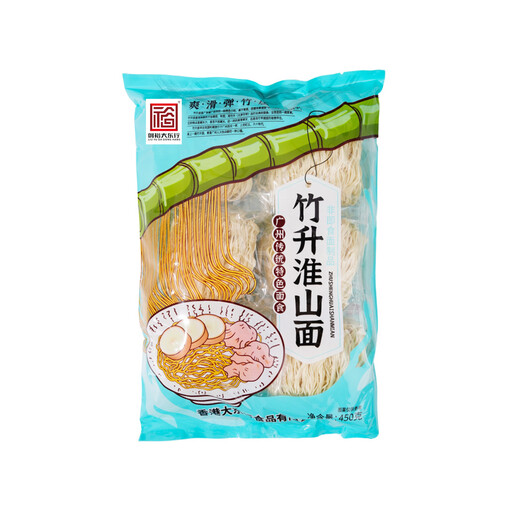
What Makes This Product Stand Out These Hong Kong style noodles contain 5% Chinese yam powder. This gives them a particularly smooth yet elastic texture and a subtle, slightly sweet aroma.
Benefits
Who is it for? Suitable for anyone who prefers a noodle with a particularly fine and smooth texture. They are an excellent choice for dishes where the noodle itself is the star, such as in cold noodle salads with a light vinaigrette.
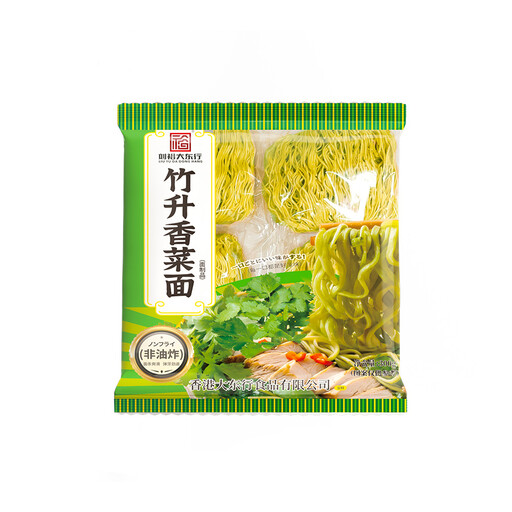
What Makes This Product Stand Out With at least 3% coriander powder, these noodles offer a fresh and distinctive herbal aroma. The traditional processing ensures a smooth and chewy consistency.
Benefits
Who is it for? A top choice for coriander lovers. These noodles add a special touch to simple dishes and are perfect for light, summer recipes or as an aromatic component in a Pho-like soup.
This selection represents just a small part of the available range. If you are looking for other types of noodles, such as those that are excellent for braised dishes, you can find more products in our comprehensive category.
Discover more braised noodles here
1. What is the difference between Chinese wheat noodles and Italian pasta? The main difference often lies in the ingredients and texture. While Italian pasta is typically made from durum wheat semolina and often contains egg, many Chinese wheat noodles are based on soft wheat flour, water, and salt. This results in a softer, more elastic texture. Additionally, Asian noodles are often treated with alkaline salts (like sodium carbonate), which gives them a springy consistency ("chewiness") and a yellowish colour.
2. How do I properly store dry Asian noodles? Dry wheat noodles should be stored in a cool, dry, and dark place, ideally in an airtight container. This protects them from moisture and foreign odours, helping them maintain their quality over a long period. Once the package is opened, they should be used relatively soon.
3. Can non-fried noodles also be used for quick meals? Yes, absolutely. Non-fried noodles often have a cooking time that is just as short, or even shorter, than fried instant noodles. The varieties presented here, for example, are ready in 3 to 7 minutes. After cooking, they can be added directly to a prepared broth, mixed with a sauce, or briefly stir-fried in a wok, making them a convenient option for quick yet high-quality meals.