
Lieferung heute & morgen

Qualitätsgarantie

Willkommens-Angebote freischalten: KOSTENLOSE Lieferung | Bis zu 80 % RABATT | Kostenlose 30-Tage-JoyPlus-Testphase
App herunterladen
As a Joybuy Product Recommendation Officer, I see every day how many people are looking for snacks that not only taste great but also support their fitness and nutritional goals. The chocolate and peanut combination is a classic, but when it comes to protein bars, the selection is vast and the nutritional information can be overwhelming. This article is designed to help you make an informed decision by highlighting key selection criteria and showcasing specific product options.
Choosing the right bar depends on your individual goals. Whether you need a muscle-building snack or something to fit into a weight management plan, the following points will help you correctly interpret the nutrition label.
A high-protein bar is often the main goal, but the details are crucial. A high protein content, typically around 20 grams per bar, supports muscle recovery and growth, especially when consumed as a post-workout snack. At the same time, a low-sugar fitness bar is important for avoiding blood sugar spikes and promoting prolonged satiety. For those following a low-carb diet, a low-carb bar or even a specific keto bar with a very low net carbohydrate count is the right choice. Pay close attention to the ratio of these three macronutrients to ensure the bar fits your dietary plan.
The quality of a protein bar is largely determined by its ingredients. Common protein sources include milk protein (casein, whey), soy protein, or collagen hydrolysate. Each source has specific properties regarding digestibility and its amino acid profile. A look at the ingredient list is also important for identifying unwanted fillers or allergens. Many bars use sugar alcohols like maltitol or sorbitol as sweeteners. These contain fewer calories than sugar but can have a laxative effect if consumed in excess—a fact that manufacturers usually note on the packaging.
Texture preferences are personal: some prefer a crunchy bar with layers and crispies, while others enjoy a softer, oat-based consistency like a flapjack. Consider when and where you plan to eat the bar. A crunchy bar can be a satisfying alternative to traditional sweets, whereas a flapjack is often perceived as more filling and energy-dense. For regular use and easy stocking, a 12-pack of protein bars can be a practical and often more cost-effective option.
Based on the criteria above, we have compiled a selection of products that cater to different needs.

Why It Stands Out: This bar combines a high protein content with very low sugar and carbohydrate levels. Its multi-layered, crunchy texture with a dark chocolate coating makes it a popular choice for anyone looking for a snack that resembles a traditional chocolate bar but boasts a fitness-focused nutritional profile.
Benefits:
Who It's For: This bar is ideal for athletes and health-conscious individuals seeking a low-carb bar that's high in protein and low in sugar. It's particularly well-suited for those on a ketogenic diet and anyone who wants to enjoy a crunchy, candy-like snack guilt-free.
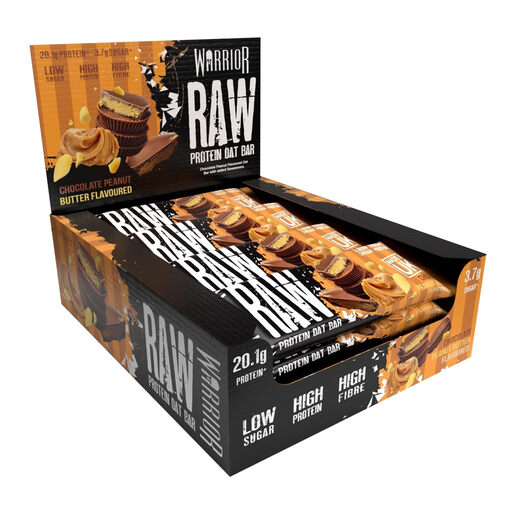
Why It Stands Out: The Warrior Raw Protein Flapjack stands apart with its oat-based foundation. It offers the characteristics of a traditional granola bar but is fortified with 20 g of protein per bar while being low in sugar. This makes it a fibre-rich and filling option.
Benefits:
Who It's For: This bar is an excellent choice for individuals looking for a nutritious and filling snack. It's suitable for endurance athletes needing energy before a workout or for anyone who prefers a fibre-rich high-protein bar with the texture of a traditional oat bar.
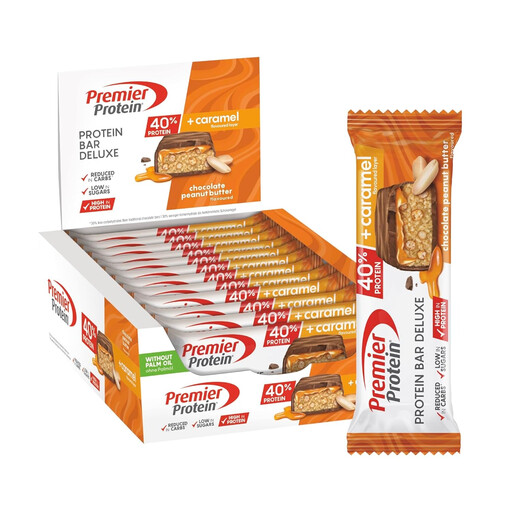
Why It Stands Out: The Premier Protein Bar Deluxe is distinguished by its 40% protein content and an extremely low sugar level of just 1.6 g per bar. The added caramel layer and the absence of palm oil are other features that set it apart from other products.
Benefits:
Who It's For: This bar is aimed at users who want maximum protein with minimal sugar. It is ideal for individuals who strictly monitor their sugar and carbohydrate intake while also valuing a palm oil-free recipe. An ideal muscle-building snack without unnecessary calories from sugar.
The combination of chocolate and peanut is popular beyond just protein bars. If you want to enjoy the taste of peanuts in its purer form or in other products, you might find what you're looking for in our broader category.
Discover our selection of peanut butter and related products.
1. When is the best time to eat a protein bar? A protein bar can be used flexibly. Many athletes consume one within 30-60 minutes after a workout as a post-workout snack to support muscle recovery. However, it also works well as a high-protein mid-day snack to prevent cravings, or as a convenient on-the-go option when a full meal isn't possible.
2. Can protein bars help with weight loss? Protein bars can be a helpful part of a weight management plan. Protein has a high satiety effect, which can help reduce overall calorie intake. A low-sugar fitness bar with few carbohydrates can be a lower-calorie alternative to traditional sweets. However, it should be considered part of a balanced diet and not a complete meal replacement.
3. How much protein should a good bar contain? A bar with 15 to 20 grams of protein is considered effective for supporting fitness goals like muscle building. The exact amount depends on your individual daily needs and the rest of your diet. For most active adults, a bar in this range is a sensible addition.