
Lieferung heute & morgen

Qualitätsgarantie

Willkommens-Angebote freischalten: KOSTENLOSE Lieferung | Bis zu 80 % RABATT | Kostenlose 30-Tage-JoyPlus-Testphase
App herunterladen
From caked-on food in a pot to unsightly scuffs on the wall, there’s a cleaning sponge for nearly every household cleaning problem. But the sheer number of options can be overwhelming: Which kitchen sponge is safe for non-stick pans? What exactly is a magic eraser, and when should you use it?
This article serves as a practical guide. We'll introduce different types of sponges and explain which features are crucial for specific cleaning tasks. Our goal is to provide you with the information you need to make an informed decision and find the right cleaning sponge for your specific needs.
A sponge's effectiveness depends on its material, texture, and intended use. Three key criteria will help you make the right choice.
The material is a cleaning sponge's most important feature.
The scouring power (abrasiveness) is crucial. While an aggressive scouring sponge can effortlessly remove burnt-on food, it can also leave permanent scratches on a non-stick coating or a ceramic hob. For such tasks, sponges labelled as scratch-free or soft cellulose sponges are the safer choice. When in doubt, always test the sponge on an inconspicuous area first.
If not cared for properly, cleaning sponges can become a breeding ground for bacteria. Models with antibacterial properties can inhibit bacterial growth on the scouring surface. Regardless of the material, it's important to rinse your dish sponge thoroughly after each use, wring it out well, and let it air dry. For hygiene reasons, regular replacement every few weeks is recommended.
Based on different use cases, we've curated a selection of cleaning sponges that address specific cleaning challenges.
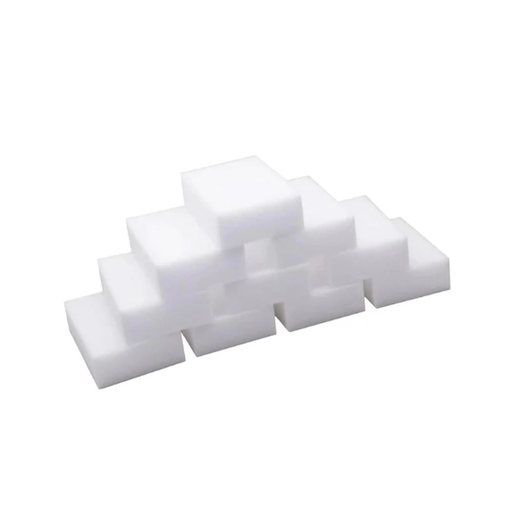
Why It Stands Out: This magic eraser is made of melamine foam and removes stubborn dirt, scuffs, and stains with just water—no additional cleaning agents needed.
Pros:
Who It's For: Ideal for households that want to avoid harsh chemicals and need an effective solution for stubborn, surface-level stains on walls, doors, or in the kitchen.
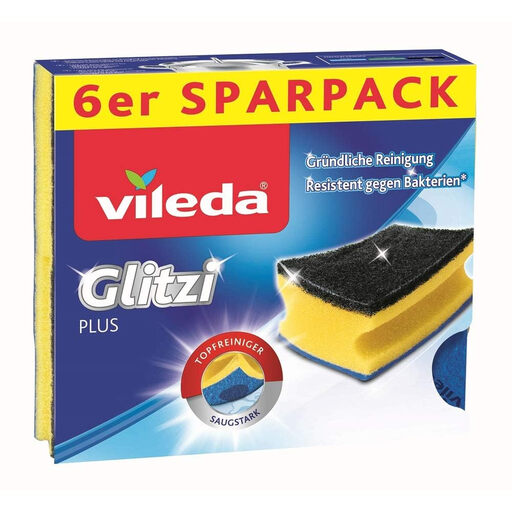
Why It Stands Out: The Vileda Glitzi Plus is a classic kitchen sponge with thoughtful design details. It combines a powerful scouring side with a soft cloth side and a practical grip ridge. According to the manufacturer, it prevents 99.9% of bacterial growth on the scouring surface.
Pros:
Who It's For: A reliable all-rounder for the daily cleaning of dishes, pots, and work surfaces in the kitchen.
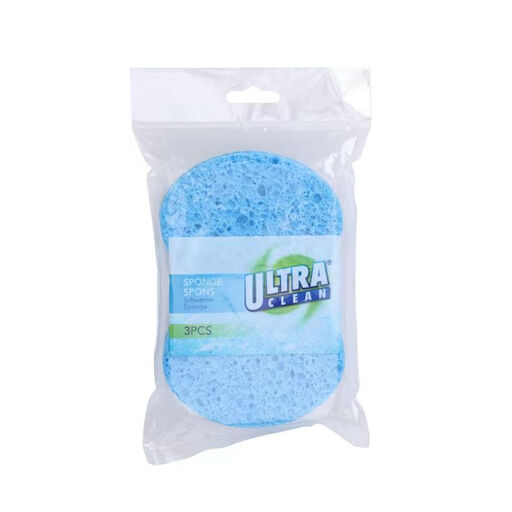
Why It Stands Out: This cellulose sponge is made from 100% natural wood fibres. It's an eco-friendly alternative to synthetic sponges and is fully biodegradable.
Pros:
Who It's For: For eco-conscious users looking for an absorbent and gentle dish sponge for daily use who value natural materials.
This selection covers some of the most common use cases. However, the market offers an even wider variety of specialised cleaning tools.
If you're looking for more sponges for specific tasks or simply want to compare different materials and shapes, you can find a broader selection in our Kitchen Sponge category.
For hygiene reasons, it's recommended to replace a daily-use dish sponge every 2 to 4 weeks. You should definitely dispose of it if it starts to smell unpleasant, becomes discoloured, or begins to fall apart.
A regular kitchen sponge cleans mechanically in combination with water and dish soap. A magic eraser (or eraser sponge) is made of melamine foam. Its fine yet hard structure acts like a very gentle abrasive that scrubs away dirt particles from surfaces. It wears down during use and typically doesn't require any additional cleaning agents.
Yes, cleaning can improve hygiene. A common method is to heat the damp sponge in the microwave for about a minute or to run it through a hot cycle in the top rack of your dishwasher. This kills germs but cannot stop the physical wear and tear of the material.