
Lieferung heute & morgen

Qualitätsgarantie

Willkommens-Angebote freischalten: KOSTENLOSE Lieferung | Bis zu 80 % RABATT | Kostenlose 30-Tage-JoyPlus-Testphase
App herunterladen
A high-quality table is often the centrepiece of the home—whether it's the solid wood dining table where the family gathers or the desk where creative work happens. Choosing a clear tablecloth seems like the ideal solution to protect the valuable surface without hiding its beauty. However, the market is flooded with products of widely varying quality. Many buyers discover only after a short time that their new protective table cover doesn't live up to its promise.
This guide highlights the most common pitfalls to avoid and explains the key features you need to look for to find a durable and functional solution for your table.
Before you make a decision, it's important to be aware of the typical flaws found in low-quality products. These often lead to disappointment and unnecessary expense.
Making an informed choice based on material properties, not just price, helps to avoid these problems from the outset.
To find a suitable and long-lasting protective film for your table, you should check three core features. These largely determine the product's functionality and lifespan.
The thickness of the film is one of the most important quality indicators.
Most high-quality table protectors are made of Polyvinyl Chloride (PVC). This material is known for its clarity, durability, and ease of care. Keeping a washable and waterproof PVC tablecloth clean is straightforward—a damp cloth is usually all that's needed. Look for product descriptions that indicate a low-odour or food-safe quality, especially for use in the kitchen or dining room.
To avoid the dreaded bubble formation, the nature of your table's surface is crucial.
Instead of presenting a confusing list, we have matched products to typical user profiles.
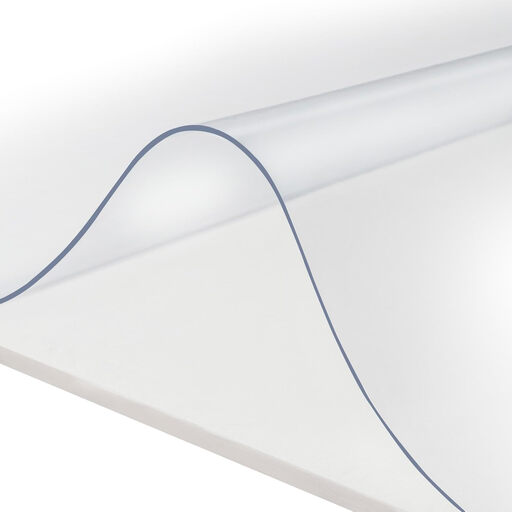
Why it's a great fit: Perfect for dining tables used for eating, painting, and crafting. The film reliably protects against spills, paint stains, and the wear and tear of daily life, so you don't have to constantly worry about the tabletop.
The 2 mm material thickness offers high resistance to the cracks and warping that quickly occur with thinner films in a busy family environment.
The robust, waterproof PVC surface is extremely easy to care for and can be cleaned instantly with a damp cloth.
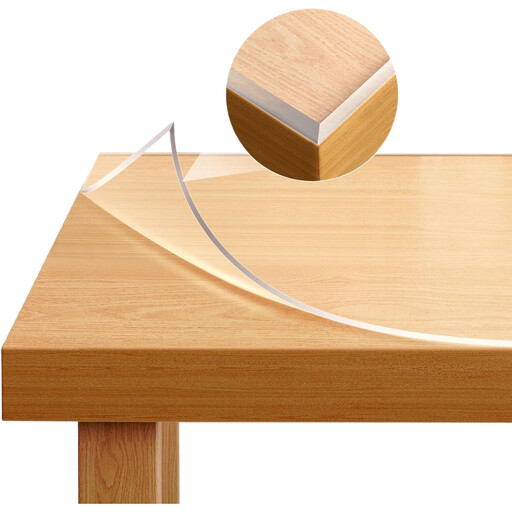
Why it's a great fit: Perfect as a clear table protector for desks or craft tables. The film protects against scratches from keyboards, marks from pens, or glue residue, and provides a smooth surface.
The bevelled edges (45° facet cut) are a detail missing from basic films. They prevent uncomfortable pressure marks on your forearms during long hours of work at the table.
The combination of 2 mm thickness and bevelled edges offers both high protection and user comfort, which is crucial for a work surface.
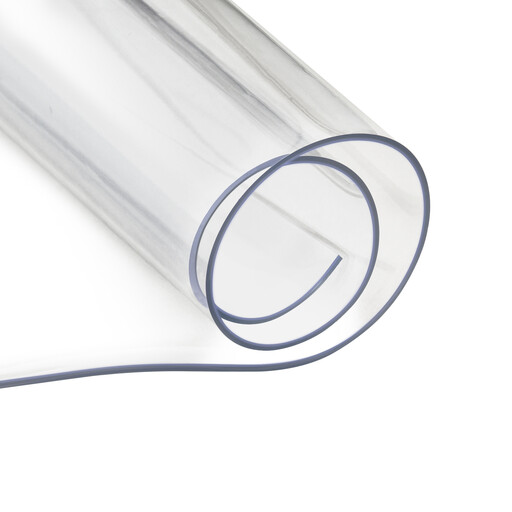
Why it's a great fit: If you own an expensive solid wood table, you want to show off its grain without compromising on protection. This film provides an invisible yet highly effective barrier.
The product information explicitly addresses the issue of bubbling on high-gloss surfaces and provides clear application instructions, which demonstrates a transparent approach to product features.
Its heat resistance (often up to 80°C, according to the manufacturer) protects the surface from marks left by warm plates or cups, a crucial factor for dining tables.
We have compiled a complete, up-to-date list of products that fully meet these strict selection criteria and all relevant safety standards.
1. How do I get a rolled table protector to lie flat? Since the protectors are delivered rolled up, they need some time to flatten out. Lay the film flat on the table and weigh down the corners and any waves with heavy books for 24-48 hours. Alternatively, you can roll the film in the opposite direction or gently warm it with a hairdryer on a low setting to speed up the process.
2. Can I cut a PVC tablecloth to size myself? Yes, customising a made-to-measure table film is usually straightforward. Use a sharp utility knife or sturdy scissors and a long ruler or metal straightedge as a guide. Measure carefully and cut on a cut-resistant surface. Some manufacturers recommend leaving an extra 1-2 cm on each side, as the material can shrink slightly over time.
3. How do I avoid bubbles under the clear table pad? Bubbles rarely occur on matte or open-pored wood surfaces. However, the problem is common on high-gloss, glass, or lacquered tables. The most reliable method is to place a very thin, discreet fabric tablecloth (e.g., made of cotton) between the table and the film. This breaks the direct contact and prevents trapped air. Before buying, check if the manufacturer offers a solution for this issue, such as a film with a slightly textured underside.