
Lieferung heute & morgen

Qualitätsgarantie

Willkommens-Angebote freischalten: KOSTENLOSE Lieferung | Bis zu 80 % RABATT | Kostenlose 30-Tage-JoyPlus-Testphase
App herunterladen
An overstuffed wardrobe is a common problem in many homes. Finding the right piece of clothing becomes a daily challenge, and valuable storage space goes unused. A well-designed closet organiser promises a solution, but not every product delivers. Before you invest, it's crucial to understand the common pitfalls that can quickly turn a supposed helper into a waste of money.
Many buyers focus on an appealing design while overlooking critical flaws. These include:
An effective wardrobe organisation system is built on products engineered for durability and functionality.
To avoid disappointment, you should check three core parameters before buying. These will help you separate the good from the bad and find a solution that provides lasting order.
The material is the foundation for an organiser's longevity.
A good design is evident in stable and well-thought-out construction elements.
The best organiser is useless if it doesn't fit in your closet. Measure the height, width, and depth of your wardrobe accurately before making a purchase. Also, consider the clearance needed for doors or drawers to open. Think about the type of items you want to store to choose the right size for storage boxes or the appropriate number of compartments in a hanging organiser.
Based on these criteria, we have identified several products that offer a well-designed solution for specific user profiles.
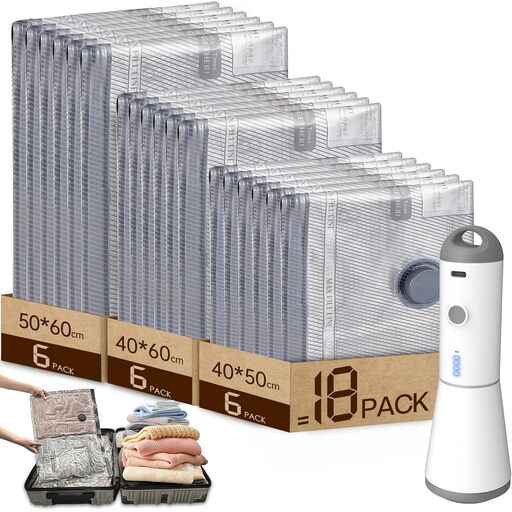
Why This Fits Their Persona: Ideal for those who need to store seasonal clothing, duvets, or pillows compactly. The cordless pump makes the process fast and independent of a power outlet, which is especially handy when packing for a move or travel.
The tear-resistant material made of Polyamide and Polyethylene, along with the double-zip seal, counteracts the problem of low-quality, leaky bags. The system solves the inefficiency problem by drastically reducing volume.
Significant volume reduction for more storage space; protection against moisture, dust, and bacteria; cordless pump for easy handling.
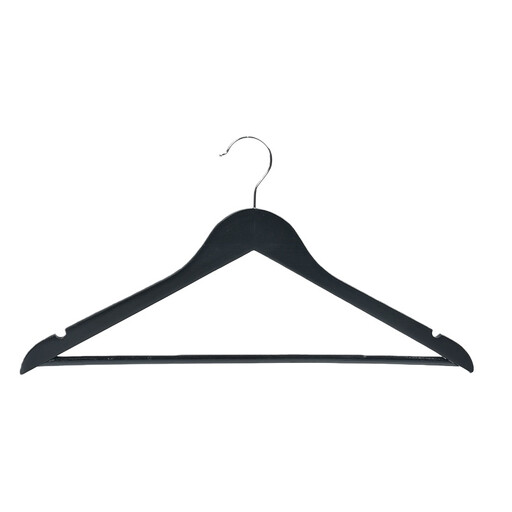
Why This Fits Their Persona: Perfect for individuals who value the care of high-quality clothing like suits, blazers, and coats. These hangers not only provide stable storage but also help preserve the value of the wardrobe.
The solid hardwood construction, with a load capacity of up to 15 kg, avoids the trap of flimsy hangers. The contoured, wide shoulders prevent the typical bumps caused by unsuitable hangers.
Preserves the shape of suits and coats; high load capacity; smooth lacquer finish protects delicate fabrics.
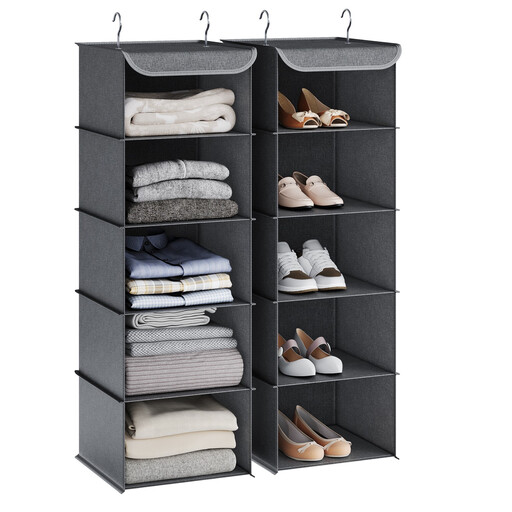
Why This Fits Their Persona: Ideal for renters, students, or anyone looking to utilise vertical closet space for folded clothes, handbags, or shoes without drilling. The foldable feature makes them perfect for temporary or flexible living situations.
This system counters the instability trap with two sturdy metal hooks and a reinforced metal frame that prevents sagging. Removable bamboo inserts provide a stable shelf surface.
Creates instant usable vertical storage; stable construction with a high load capacity (10 kg per organiser); foldable and easy to transport.
We've compiled a complete, up-to-date list of products that fully meet these strict selection criteria and safety standards.
1. How do I choose the right size for storage boxes? Carefully measure the available space in your shelf or closet (height, width, depth). Remember that you should be able to pull the boxes out easily, so leave a little clearance in width and height. For standard shelving units like the IKEA Kallax, boxes measuring 33x33x33 cm are often a perfect fit, but always check the specific product dimensions.
2. How much weight can hanging organisers really hold? Load capacity depends heavily on the construction. Models with a solid metal frame and two suspension hooks can typically support up to 10 kg in total weight. Pay attention to the manufacturer's specifications for the maximum static load per shelf and for the entire organiser. Avoid storing heavy items like books or multiple pairs of shoes in a single compartment to prevent sagging.
3. Can vacuum bags damage clothing? When used correctly, vacuum bags are safe for most textiles. However, delicate natural fibres like wool or down should not be compressed too tightly, as this can damage their structure and loft. It is recommended to leave about 20-30% of the air in the bag for such materials. Leather and fur garments are not suitable for storage in vacuum bags.