
Lieferung heute & morgen

Qualitätsgarantie

Willkommens-Angebote freischalten: KOSTENLOSE Lieferung | Bis zu 80 % RABATT | Kostenlose 30-Tage-JoyPlus-Testphase
App herunterladen
Hanging laundry is an everyday chore, but choosing the right tools can make all the difference. Low-quality clothespins can break easily, lose their tension, or leave unsightly marks on your clothing. This guide is designed to simplify your selection process. We will introduce the key criteria for choosing durable, fabric-safe pegs and present a selection of products for various needs.
The variety of clothespins is vast. To make an informed decision, you should consider the material, construction, and intended use case.
The material directly impacts the pegs' durability and functionality. Plastic clothespins are the most common choice today. High-quality plastics like polypropylene (PP) are weather-resistant and break-proof. Models with soft-grip surfaces, often made from thermoplastic rubber (TPR), offer additional protection for fabrics. Unlike traditional wooden pegs, which can swell or develop mould when exposed to moisture, plastic pegs are low-maintenance and well-suited for outdoor use. Metal pegs offer excellent stability, but if poorly finished, they can rust and cause stains.
A sturdy clothespin is distinguished by a robust spring that provides a reliable hold, even in strong winds. The spring should ideally be made from a rust-proof material to maximise its outdoor lifespan. At the same time, the design of the grip surface is crucial for preventing imprints. Look for no-imprint clothespins that feature a wide, smooth, or soft-rubberised contact area. These distribute pressure evenly, making them ideal as clothespins for delicate laundry like silk blouses or fine knitwear.
Not every peg is suitable for every task. While standard pegs suffice for most garments, heavy textiles like blankets, rugs, or thick winter jackets require extra-strong laundry pegs. In these cases, unconventional yet highly robust laundry clips can be a practical alternative. For indoor use or for small items like socks and underwear, smaller, lighter clips are often sufficient and convenient.
Based on the criteria above, we have curated a selection of versatile products that cater to different needs.
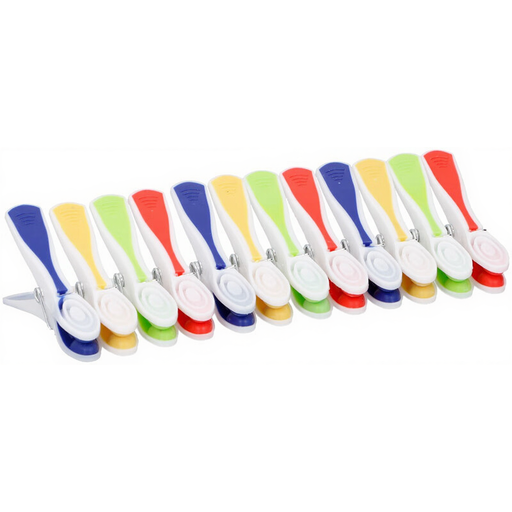
Lifetime Clean Clothes Pegs PP/TPR 12 Pcs
Why It Stands Out: These pegs combine a robust plastic (PP) body with a soft TPR grip surface. This design is specifically engineered to provide a firm hold without leaving imprints on your clothes.
Advantages:
Who It's For: Households looking for a reliable and gentle all-round solution for their daily laundry, who value keeping even delicate fabrics damage-free.
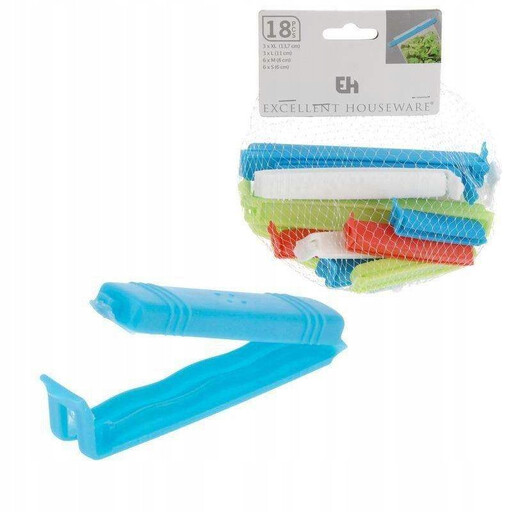
Why It Stands Out: While this set is primarily designed for sealing food bags, its variety of sizes makes it an extremely practical tool throughout the home—including for laundry.
Advantages:
Who It's For: Anyone looking for a multifunctional solution who wants to use these lightweight plastic clips mainly indoors for small or delicate laundry items.
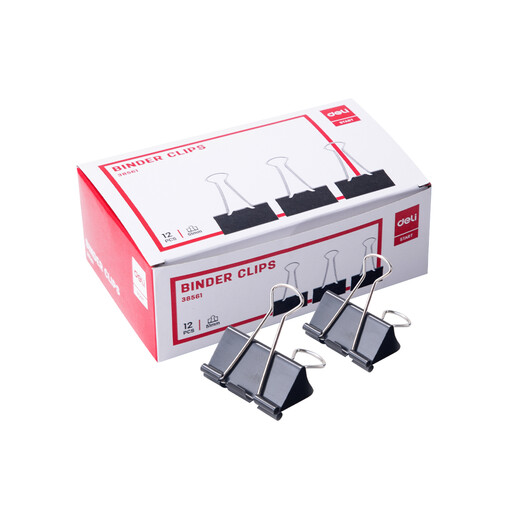
Deli Economy Binder Clips, 51mm
Why It Stands Out: Although these are office supplies, these metal binder clips offer exceptionally high clamping force, which qualifies them for special tasks around the house.
Advantages:
Who It's For: Users who need an extremely stable fastening solution for heavy and non-delicate items where conventional clothespins reach their limits. To prevent imprints, a piece of fabric can be placed between the clip and the item.
The products featured here cover specific use cases. If you are looking for a wider selection of clips for various household purposes, you can find more alternatives in our category.
Discover More Sealing Clips Here
1. How do I avoid imprints from clothespins on my clothes? To minimise imprints, use no-imprint clothespins with soft, wide grip surfaces. Additionally, hang garments in inconspicuous areas, such as on an inner seam or hem. For very delicate fabrics, it can help to place a small piece of cloth between the peg and the garment.
2. Which clothespins are the most stable? Stability depends on the spring design and the material. Pegs with strong, rust-proof steel springs and a robust body made of high-quality plastic or metal are considered particularly stable. For extremely heavy items like rugs, repurposed, high-strength metal clips, such as binder clips, are an excellent option.
3. Can plastic clothespins rust? The plastic body itself cannot rust. The crucial component is the spring. On budget models, the spring may be made of non-stainless metal and can corrode over time, leading to rust stains on your laundry. Therefore, when purchasing, look for products that specify a rust-proof spring (often made of stainless steel), especially if the pegs will be used outdoors.